Check your medicines for interactions
Check for interactions between medicines, supplements, foods and conditions using our trusted drug interaction checker.
نُشر في الأصل 30 Jan 2026
يتوافق مع الإرشادات التحريرية
- تنزيلتنزيل
- مشاركة
- Language
- نقاش
- نسخة صوتية
Use this medicine and drug interaction checker to see whether your medicines, supplements, vitamins, foods, or certain health conditions may interact with each other.
It can help you understand potential risks, avoid unwanted side effects, and decide when it’s important to speak to a pharmacist, GP, or other healthcare professional.
The tool is suitable for checking both prescription and over-the-counter medicines, as well as common supplements and herbal remedies.
في هذه المقالة:
Video picks for General medicine information
تابع القراءة أدناه
How to use the checker
Enter the names of the medicines, supplements, or vitamins you take regularly or occasionally. You can also add foods, such as grapefruit, or conditions, such as pregnancy, to get more relevant results. To run an interaction check, you’ll need to add at least two items.
Once everything is entered, select Check now to view the results and any potential interactions identified.
Tip: start typing to select from the suggestions, or enter the name of any medicine directly if it does not appear in the list.
What is a drug interaction?
العودة إلى المحتوياتA drug interaction occurs when one medicine affects how another medicine works in the body. This can change how effective a treatment is, increase the risk of side effects, or lead to unexpected health problems.
Drug interactions can happen in:
Prescription medicines.
Over-the-counter treatments.
Supplements.
Herbal remedies.
Foods.
Alcohol.
Certain medical conditions.
Some interactions are mild and simply need monitoring, while others may require changes to the dose, timing, or choice of medicine. Checking for interactions helps reduce avoidable risks and supports safer use of medicines.
تابع القراءة أدناه
Why do drugs interact?
العودة إلى المحتوياتDrugs interact because of how the body absorbs, processes, and responds to medicines. Some medicines affect how others are broken down in the liver, which can increase or reduce the amount of medicine in the bloodstream. Others influence how medicines are absorbed from the gut or removed by the kidneys.
Interactions can also occur when medicines have similar effects on the body. For example, taking two medicines that both cause drowsiness can increase the risk of excessive sedation.
The likelihood of interactions increases with the number of medicines taken, as well as with age and long-term health conditions.
What are the most common types of drug-drug interactions?
العودة إلى المحتوياتThe most common types of drug-drug interactions are:
Where one medicine increases the side effects of another.
Where one medicine reduces how well another works.
Those that alter how quickly a drug is processed in the body.
Some interactions increase the risk of bleeding, particularly when medicines that affect clotting are taken together. Others may affect heart rhythm or blood pressure. These types of interactions are well recognised and often form the basis of safety warnings and prescribing guidance.
تابع القراءة أدناه
What are the symptoms of a drug interaction?
العودة إلى المحتوياتSymptoms of a drug interaction vary depending on the medicines involved and the person taking them.
تشمل الأعراض الشائعة:
دوار.
نعاس.
Confusion.
الصداع.
الشعور بالغثيان.
ألم في المعدة.
خفقان.
Changes in mood.
Symptoms often appear after starting a new medicine, changing a dose, or adding a supplement or herbal product.
Signs such as unexplained bruising, bleeding, or worsening side effects should not be ignored.
Severe symptoms such as breathing difficulties, collapse, or severe confusion require urgent medical attention.
What are the most common drug interactions?
العودة إلى المحتوياتSome medicines are more likely than others to be involved in interactions. These include:
Certain مضادات الاكتئاب.
Medicines that act on the brain or nervous system.
Supplements and herbal remedies.
What are the most dangerous drugs to mix?
العودة إلى المحتوياتThe most dangerous drug combinations are those that can cause serious harm if taken together. These often involve:
مedicines that slow breathing or affect alertness.
مedicines that significantly increase bleeding risk.
مedicines that can disrupt heart rhythm.
Some medicines also have a narrow safety margin, meaning that small changes in dose or blood level can lead to serious side effects.
If a severe interaction is identified, it is important not to stop medicines suddenly without advice. A pharmacist or doctor can help decide the safest next steps.
Which foods interact the most with drugs?
العودة إلى المحتوياتCertain foods are known to interact with medicines. Common food and drug interactions include:
الجريب فروت وعصير الجريب فروت - can affect how some medicines are broken down, leading to higher levels in the body.
الكحول - can increase side effects such as drowsiness, dizziness, and stomach irritation with many medicines.
Foods high in calcium - can reduce the absorption of some medicines if taken at the same time,
سoods rich in vitamin K - can affect the action of certain blood-thinning treatments.
Including foods in an interaction check can help highlight these potential issues.
Can different medication be taken all at once?
العودة إلى المحتوياتSome medicines can be taken together safely, but others work better if they are taken at different times. This may be to prevent interactions in the stomach, reduce side effects, or ensure medicines are absorbed properly.
The timing of medicines can also depend on whether they should be taken with food or on an empty stomach. If you take several medicines each day, a pharmacist can help you create a schedule that is both safe and practical.
How to avoid drug interactions?
العودة إلى المحتوياتYou can reduce the risk of drug interactions by:
Keeping an up-to-date list of all medicines, supplements, and vitamins you take and sharing it with healthcare professionals.
Checking for interactions before starting new treatments, including over-the-counter medicines and supplements.
Following advice about food, alcohol, and timing, and try to use the same pharmacy where possible so your medicines can be reviewed together.
Always telling healthcare professionals if you are pregnant, breastfeeding, or have long-term health conditions when discussing medicines.
Patient picks for General medicine information
العلاج والأدوية
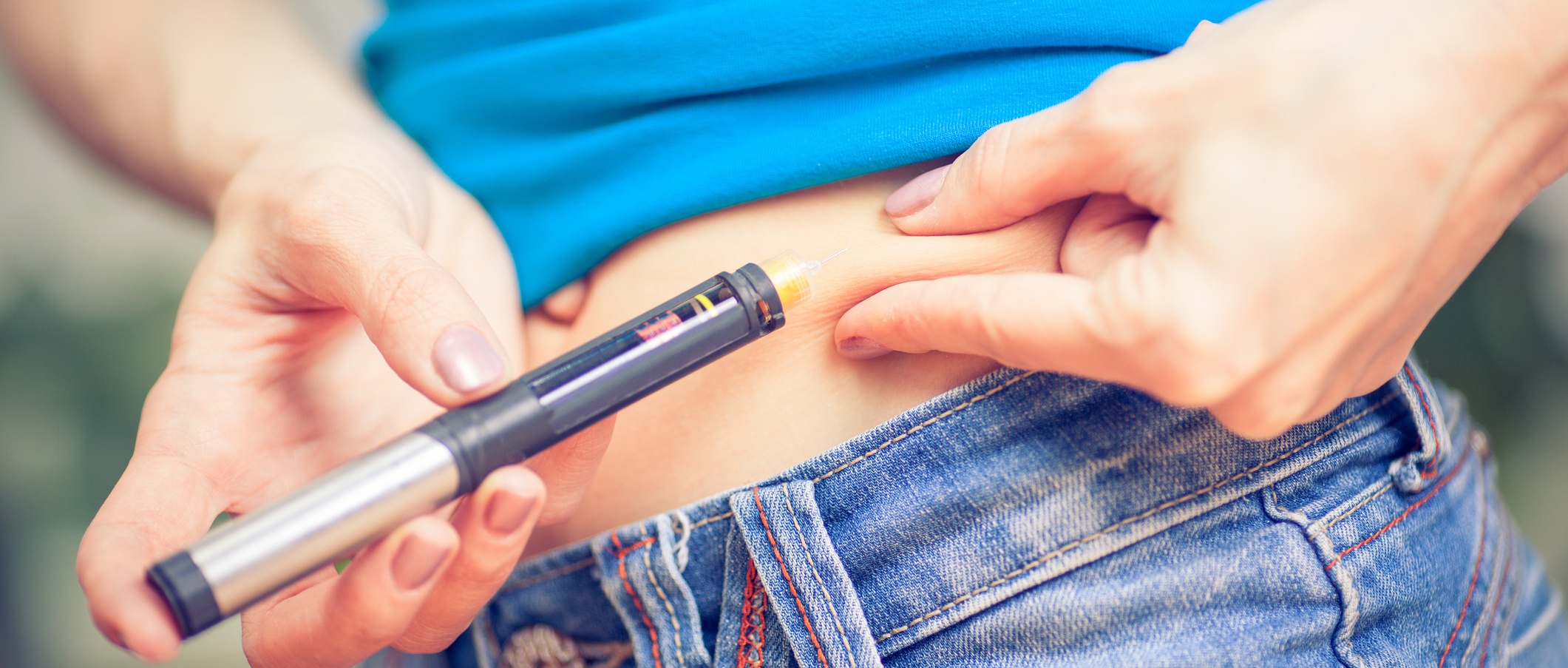
Insulin
Insulin is a hormone made naturally in the body by the pancreas. This hormone controls the level of sugar (glucose) in the blood. People who have type 1 diabetes need to have regular insulin injections. In type 1 diabetes, the body stops making insulin and the blood sugar level goes very high. Some people who have type 2 diabetes may also need to have insulin injections to help control blood sugar levels. Insulin is usually injected under the skin between 2-4 times a day. There are different types of insulin available which are classified according to how quickly and for how long they work. Your doctor or diabetes nurse will discuss the various preparations and devices available and help you choose a regimen that is right for you. Treatment with insulin is usually lifelong.
بقلم الدكتور كولين تايدي، MRCGP
العلاج والأدوية
Polypharmacy
Polypharmacy is a snowballing issue that goes with the increases in medical knowledge and improved life expectancy. Medicines are keeping us alive for longer, but as we live longer we have more medical problems for which we need medicines.
بقلم الدكتورة ماري هاردينغ، MRCGP
تابع القراءة أدناه
تاريخ المقال
تمت كتابة المعلومات على هذه الصفحة ومراجعتها من قبل أطباء مؤهلين.
30 Jan 2026 | نُشر في الأصل

اسأل، شارك، تواصل.
تصفح المناقشات، اطرح الأسئلة، وشارك التجارب عبر مئات المواضيع الصحية.

هل تشعر بتوعك؟
قم بتقييم أعراضك عبر الإنترنت مجانًا
اشترك في النشرة الإخبارية للمرضى
جرعتك الأسبوعية من النصائح الصحية الواضحة والموثوقة - مكتوبة لمساعدتك على الشعور بالاطلاع والثقة والتحكم.
By subscribing you accept our سياسة الخصوصية. يمكنك إلغاء الاشتراك في أي وقت. نحن لا نبيع بياناتك أبدًا.