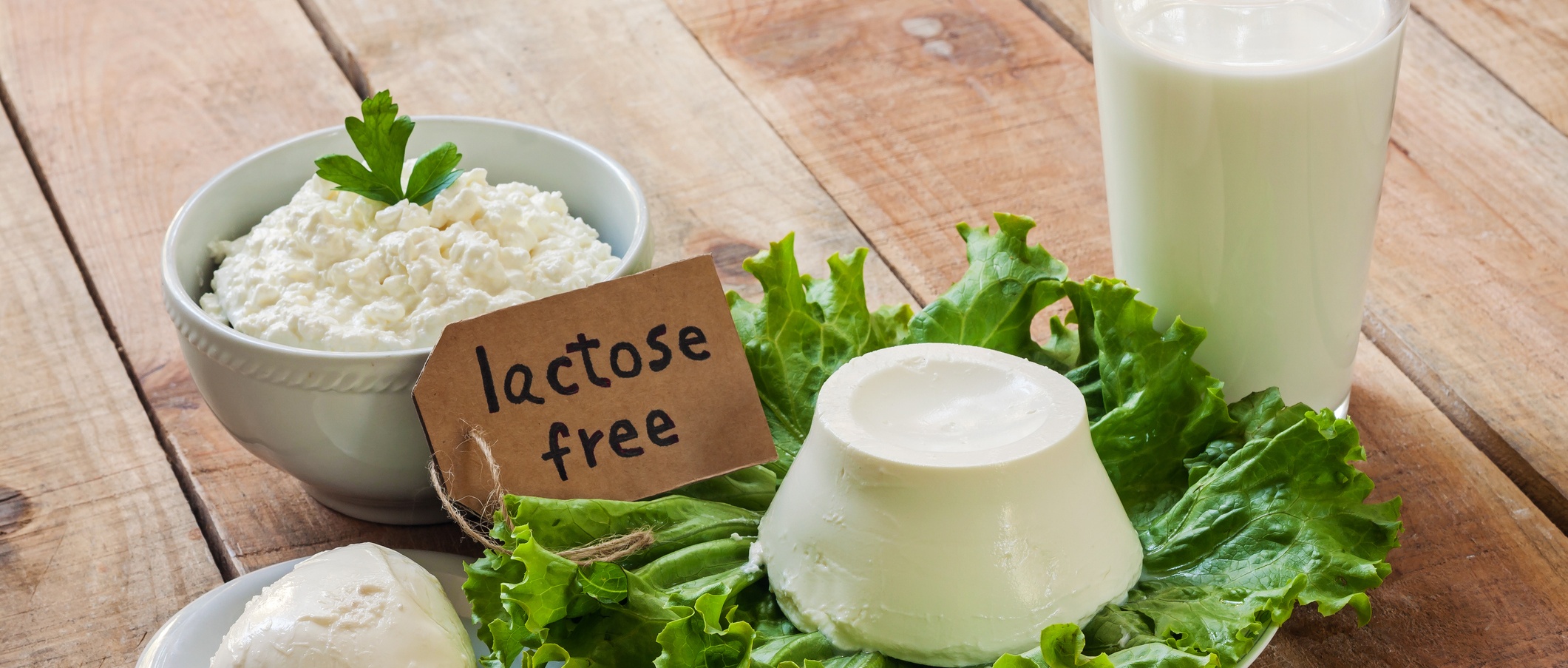
What can you eat if you're lactose intolerant?
Peer reviewed by Dr Helen Huins, MRCGPAuthored by Dr Jan Sambrook, MRCGPOriginally published 8 Oct 2017
Meets Patient’s editorial guidelines
- DownloadDownload
- Share
- Language
- Discussion
- Audio Version
- Add to preferred sources on Google
Lactose intolerance is a condition in which there is not enough lactase in the body. Lactase is the chemical (enzyme) that breaks down (digests) 'milk sugar' (lactose) in the body. It is common in adults and it can vary in severity.
Some people who have lactose intolerance can eat some milk products without developing symptoms. However, others develop symptoms including bloating, tummy (abdominal) pain and loose stools (faeces) after eating anything containing lactose.
Which foods contain lactose?
The most obvious foods that contain 'milk sugar' (lactose) are dairy products such as milk, cream, yoghurt, cheese and butter. However, milk products are often used in processed foods; if the list of ingredients includes the words 'whey' or 'casein' it is likely that it also contains lactose. Many foods sold in supermarkets will have an allergy label which will tell you if the food contains milk. The following foods frequently contain milk products:
Cakes
Biscuits
Cereals
Dressings
Sweets
Snacks
Some people may find that the processing of milk to make cheese and yoghurt breaks down enough of the lactose that it no longer causes a problem for them. Others find that goat's milk causes fewer symptoms than cow's milk. It is not clear why, as it contains a similar amount of lactose to cow's milk. Sometimes, full-cream milk or full-fat cheese may cause fewer symptoms than the reduced-fat equivalent.
Alternatives to dairy products
Lactose-free milk (cow's milk from which the lactose has been removed) is available in most supermarkets, as are non-dairy milk equivalents. Soya milk is the most common of these but you can also buy 'milk' made from rice, almonds, oats or hazelnuts.
Soya is also used to make cheese and yoghurt equivalents, for those who are not able to tolerate the regular forms. Soya or sunflower margarine can be used for all spreading and baking uses in the same way as butter or dairy-based spreads.
How can I get enough calcium?
Most people get most of the calcium they need from dairy products. Calcium is needed to make bones strong. Those who are not able to have milk must make sure they get enough calcium in the rest of their diet.
See separate leaflet called Calcium-rich Diet.
Non-dairy sources of calcium include:
Leafy green vegetables.
Tinned fish (particularly if the bones are included).
Dried figs.
Almonds.
Oranges.
Sesame seeds.
Seaweed.
Some types of beans.
Non-dairy calcium needs to be eaten with a source of vitamin D, as the body needs this to help it absorb the calcium. Vitamin D is found in milk alongside the calcium but it can also be found in small quantities in eggs, fish and mushrooms. However, it is mostly made in the skin by contact with sunshine.
It is also possible to buy supplements of calcium and vitamin D from the chemist if you are worried you might not be getting enough from your diet.
Some foods are fortified with calcium, such as breakfast cereals, some soya drinks and tofu. These may already have added vitamin D. The label on the packet should tell you what nutrients have been added.
What about babies and young children?
True 'milk sugar' (lactose) intolerance is unusual in children under 6 years of age. They are more likely to have a cow's milk protein allergy . However, children sometimes develop a temporary lactose intolerance after a tummy bug (gastroenteritis). Milk may prolong the symptoms, particularly of diarrhoea.
If the child is happy to drink other fluids, it will do them no harm to go without milk for a few days. However, if a child is reluctant to drink anything other than milk, it is better for them to drink milk and have diarrhoea for slightly longer. Otherwise, there is a risk that the child might become lacking in fluid in the body (dehydrated).
If a child has lasting symptoms of milk intolerance it is important to get them assessed by a doctor. They may need to have some tests and if they need to keep milk out of their diet, it is important that they see a children's dietician. The dietician will give advice about making sure they still get all the nutrients they need.
Patient picks for Food allergy and intolerance
Allergies, blood and immune system
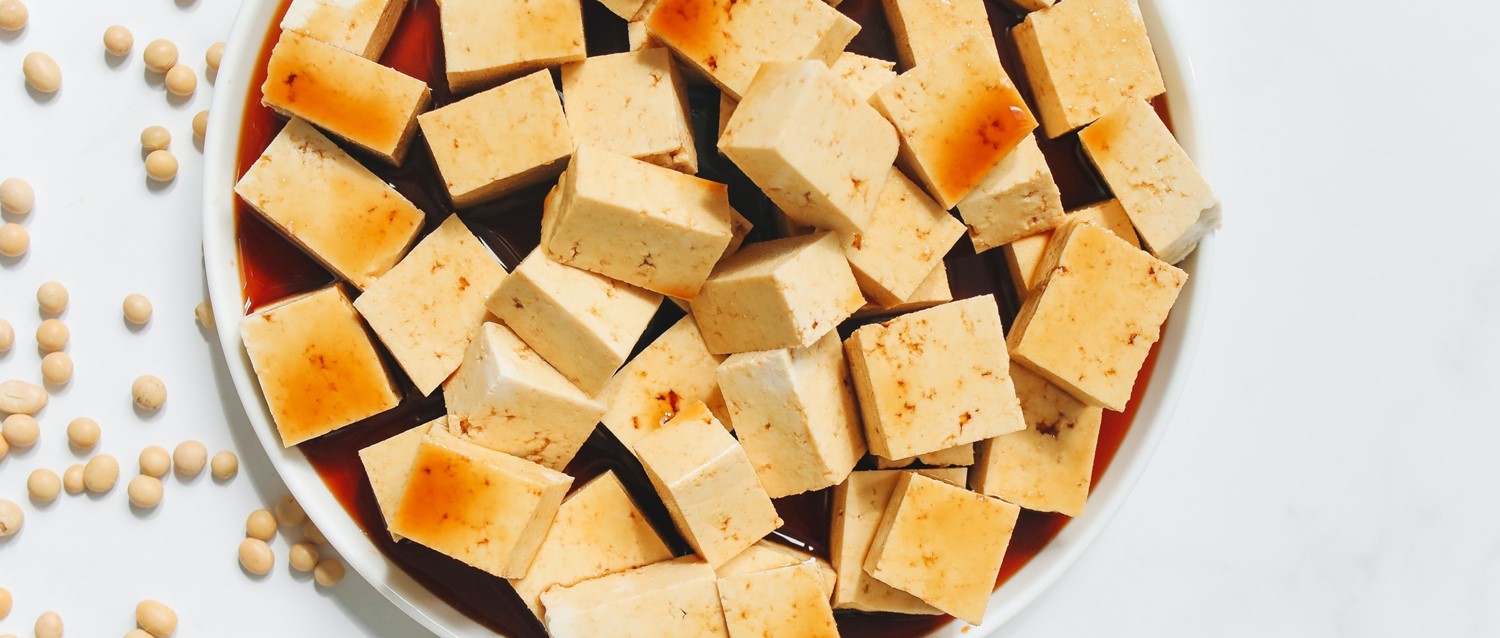
Which foods should you avoid if you have a soy allergy?
A soy allergy occurs when your body reacts to soy protein. A lot of products contain soy, meaning it can be hard to avoid it completely. So, we've got all the tips on what to avoid and the symptoms to look out for in a reaction.
by Emily Jane Bashforth

Allergies, blood and immune system
Video: How do you know if you're intolerant to dairy?
Having an intolerance to lactose means that your digestive system struggles to process foods containing lactose. Our experts take a look at what this could mean for you.
by Rose Constantine Smith, ANutr
About the authorView full bio
Authored by

Dr Jan Sambrook, MRCGP
General Practitioner, Medical Author
MBChB, MRCGP
Dr Jan Sambrook qualified from the University of Sheffield in 1992.
About the reviewerView full bio

Dr Helen Huins, MRCGP
General Practitioner, Medical Author
MB, BS, Lond, DCH, DRCOG, MRCGP, JCPTGP, DFFP
Helen qualified at Guy’s Hospital in 1989 and left London in 1990 to settle in the countryside.
Article history
Article also available in English, German, Spanish, French, Italian, Portuguese, Hindi, Hebrew, Arabic, and Swedish.
8 Oct 2017 | Originally published
Authored by:
Dr Jan Sambrook, MRCGPPeer reviewed by
Dr Helen Huins, MRCGP
Join the conversation
Share your thoughts or experiences with others in our patient communities.

Ask, share, connect.
Browse discussions, ask questions, and share experiences across hundreds of health topics.

Feeling unwell?
Assess your symptoms online for free
Sign up to the Patient newsletter
Your weekly dose of clear, trustworthy health advice - written to help you feel informed, confident and in control.
By subscribing you accept our Privacy Policy. You can unsubscribe at any time. We never sell your data.