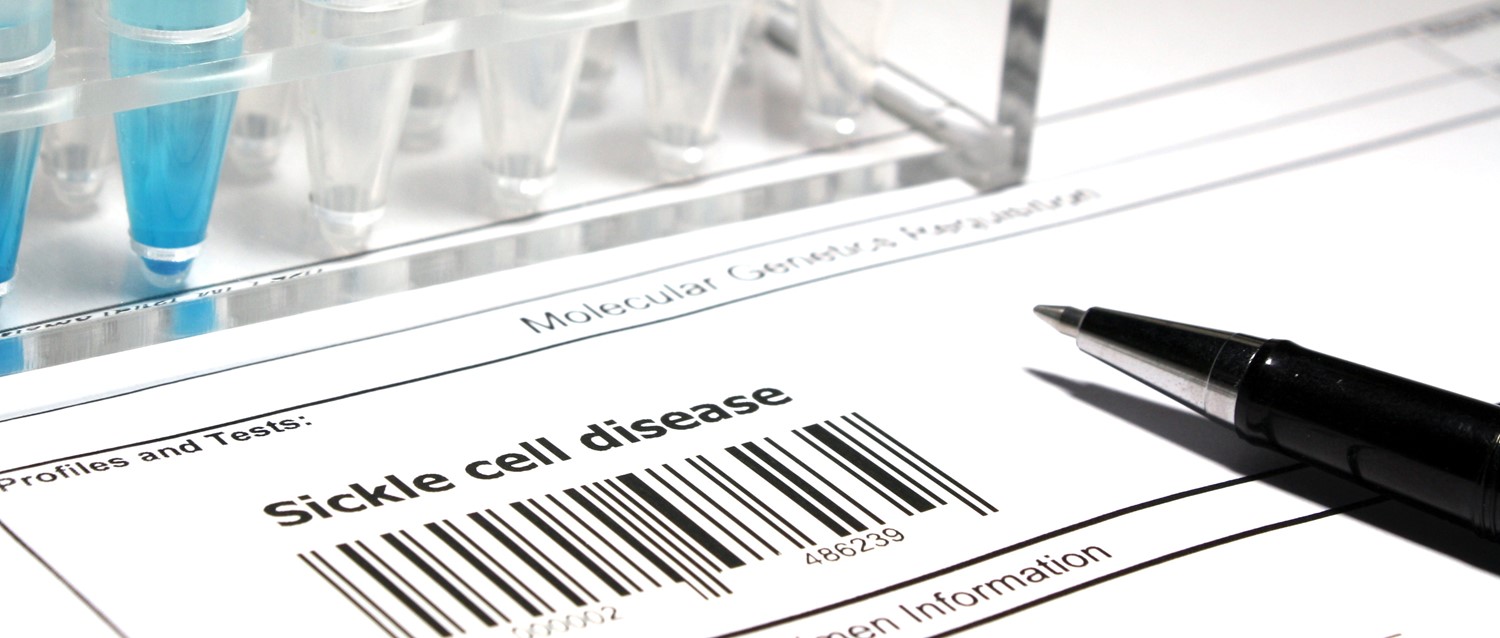
What does the new treatment for sickle cell disease mean for sickle cell patients?
Peer reviewed by Dr Sarah JarvisAuthored by Amberley DavisOriginally published 19 Oct 2021
Meets Patient’s editorial guidelines
- DownloadDownload
- Share
- Language
- Discussion
- Audio Version
- Add to preferred sources on Google
It has been over 20 years since the last breakthrough in the treatment of sickle cell disease. Now a new antibody-based drug has been approved that can significantly reduce the number of episodes of severe pain experienced by patients. What does this step mean for the 15,000 people living with sickle cell disorder in the UK?
How common is sickle cell disease?
Almost 300 babies are born with sickle cell disease (SCD) in the UK every year, according to the Sickle Cell Society. This equates to around 15,000 people in the UK currently living with the disorder, the main symptoms of which are anaemia and episodes of severe pain.
But the National Institute for Health and Care Excellence (NICE) has recently approved the trial results of an antibody treatment called crizanlizumab (brand name Adakveo).
The one-year trial demonstrated how Adakveo almost halves the number of severely painful episodes, known as vaso-occlusive crises or 'sickle cell crises'. This will provide people in the UK with sickle cell disease who are over 16 years old with a new treatment option.
What is sickle cell disease?
Sickle cell disease is a genetic disorder of the substance haemoglobin in the red blood cells. In sickle cell disease, the red blood cells have a tendency to go out of shape and become 'sickle-shaped' - like a crescent moon - instead of disc-shaped. These cells are less flexible than normal cells and can get lodged in small blood vessels, blocking off blood supply and leading to sickle cell crises.
Sickle cell disease can cause a host of other complications, including acute chest syndrome, stroke, bone damage, and blindness. Over time, people with sickle cell disease can experience organ damage to the heart, liver, lungs, kidney and spleen.
The only known cure is a stem cell transplant, a complex, risky procedure which is only an option for a select few with severe sickle cell disease, subject to there being suitable donors. As such, most treatment is based around the prevention and management of the conditions, including sickle cell crises.
Sickle cell crises
Sickle cell crises are episodes of severe pain caused by blockages in the smaller blood vessels. They are considered recurrent if they are expected two or more times a year, and can last for days and result in hospitalisation.
The main triggers:
Cold weather.
Infection.
Strenuous exercise (which can lead to the below).
Low oxygen.
Excess lactic acid (a byproduct of excess exercise).
The current treatment:
Avoiding triggers.
Blood transfusions.
Oxygen.
Drinking plenty of fluids.
Immunisations, including vaccinations against meningitis and hepatitis B, and yearly flu (influenza) vaccinations.
Antibiotics.
Living with sickle cell disease
Although everyone's experience of sickle cell disease is different, the disorder has a considerable impact on life because of the physical pain, the emotional toll of fear and stress in between and during crises, and the social limitations it imposes. Zainab Garba-Sani describes living with sickle cell disease:
"I'm really thankful and privileged to live quite a full life. From a young age my mum taught me that I am so much more than my disease.
"I've learnt to balance everyday life with trying to look after my health, though it's still a work in progress. I've had to be careful in knowing my limits and being conscious of how my body can be impacted by things like stress and extreme temperatures. I don't think the word typical really applies to sickle cell but for me it feels like I go through phases. This year in particular, I have been living with more pain and complications."
Zainab goes on to emphasise the emotional impact this can have: "One thing that people probably don't realise as much is the emotional impact. It's exhausting to be constantly going through pain. Also many painkillers make you quite drowsy, and trying to navigate the system, speak to all the specialists and attend all the appointments on top of living an active and social life can take its toll.
"Because of how unpredictable and invisible sickle cell disease is, it's really difficult for people to wrap their minds around. One second I could be chatting away with friends and the next time they text me I'm in hospital. You get really good at hiding the pain though."
Sickle cell disease treatment
The current leading preventative treatment or cure for sickle cell crises is hydroxyurea, also known as hydroxycarbamide. This can help to reduce pain crises by preventing the blood cells from going out of shape. However, there are associated risks such as reducing the body's immune response and a higher chance of leukaemia and skin cancer.
"When I started hydroxyurea it was honestly a miracle drug for me," says Zainab. "I went from having crises once a month to not having one for four or five years. This completely changed my life around."
Unfortunately, over the years Zainab has become more resistant to hydroxyurea, and as a result she recently needed an exchange blood transfusion. These carry risks, and for Zainab this triggered hypocalcaemia causing her shakes and black-outs: "Both occasions were really scary. You honestly think you're going to die."
These are currently the two main preventative treatments, and for many people, there are huge limitations both in their effectiveness and through other complications they can cause.
What is Adakveo?
Adakveo is a laboratory-made antibody developed by Novartis, a leading global medicines company. Heather Moses, Medical Director at Novartis Oncology UK, explains how it works:
"The combination of the sickle-shaped cells and too much sticky P-selectin, which causes cells to cluster together, makes sickle cell patients more vulnerable to blockages in their small blood vessels. The vessels and organs behind the blockage are no longer getting the oxygens and nutrients they need, and so extremely painful crises occur.
"Adakveo works by blocking the interactions from the sticky P-selectin and sickle cells, significantly reducing the effect of the cells and tissue walls sticking together. This results in a significant reduction in pain crises."
The antibody is injected into a vein, and can be taken on its own or alongside standard treatment and regular blood transfusions.
What impact will Adakveo have on sickle cell disease patients?
Better quality of life
The success of this treatment has been measured by how many sickle cell crises a patient would get in one year, as well as the length of time before their first crisis. For 198 patients over one year, results showed a 45.3% drop in the occurrence of crises, from almost 3 to 1.6 a year.
"Also really meaningful for patients is that length of time before your first crisis and then that length of time before another crisis. This reduction translates to longer periods of time in between, which is so impactful in a person's life," adds Moses. "Instead of being in bed, people with sickle cell disease can be living ordinary lives, and it's actually extraordinary not to have that fear and stress of these crises."
For the wider population living with sickle cell disease, Zainab believes that having another treatment option is 'really positive' and will make a big difference. "Not every treatment works very well for everybody. We need more treatments out there so that if one treatment doesn't work, hopefully another one can."
Addressing health inequality
Sickle cell disease is a genetic disorder that is far more common in people with African, African-Caribbean, Asian, or Mediterranean backgrounds, and is rare in those of North European origin. With the last advancement in treatment over 20 years ago, this advancement can be seen as a positive step toward reducing the health inequalities for a community that has been under-served.
"Sometimes sickle cell disease feels like a forgotten disease because of the people it normally impacts. Now, we've got Novartis, the NHS, other organisations and charities, and the media shedding limelight on the disorder. Hopefully this advancement is one of many and we'll see more investment going into this area," says Zainab.
A wide pool of eligibility
Moses confirms that 7,000 patients in England and Wales - all those over 16 years who have recurrent sickle cell crises - will be eligible for access to Adakveo under the Managed Access Agreement. The collaborative approach between Novartis, NICE and the NHS has paved the way for patients to gain early access to the treatment.
This doesn't mean everyone will get the treatment, but NICE estimates more than 300 people will be treated in the first year and more than 450 in subsequent years.
"The opportunity in the partnership and the data we were able to generate has brought about treatment for as wide a population as possible," believes Moses. "In the future we'll seek to have increased that population - namely the paediatric population - with those trials ongoing."
Real-world evidence and data
This collaborative approach also enabled the collection of real-world data - which have been historically lacking for sickle cell disease- through the National Haemoglobinopathy Register. Moses explains why this is so valuable:
"With rare complex diseases like sickle cell disease it's really difficult to get large bodies of evidence for a regular NICE approval process. But the regulators, NICE, and us (Novartis) were all partnering to get access to the innovation as early as possible despite those challenges.
"Any patients - both with and without Adakveo - will generate further evidence that gives the certainty for future access assessments in the larger populations."
Cost reduction to the NHS
It is hard to accurately judge the cost-effectiveness of the treatment based on a year-long trial. However, Moses believes that the negotiations between Novartis and the NHS will lead to 'a cost-effective price'.
The NHS has also stated its belief that it has secured a fair deal for taxpayers
Patient picks for Blood and blood disorders

Allergies, blood and immune system
What to expect when you give blood
A new year is seen as a fresh start, and for many it's a time to resolve to give something up or start something new. For me, 2018 was the year I was going to start giving blood.
by Kerry Taylor-Smith

Allergies, blood and immune system
What are the early warning signs of blood cancer?
Blood cancers account for about 10% of all cancer cases in the UK. But although a large number of patients are diagnosed each year, there is still a general lack of understanding of the warning symptoms of the disease.
by Natalie Healey
About the authorView full bio
Authored by

Amberley Davis
Senior writer
BA (Hons), CPD
Amberley is a senior writer with Patient and has written extensively on a range of health and wellbeing topics.
About the reviewerView full bio

Dr Sarah Jarvis
Clinical Consultant
MA (Cantab), BM, BCh (Oxon), DRCOG, FRCGP, MBE
After training in medicine at Cambridge and Oxford, Dr Sarah Jarvis MBE became a GP.
Article history
Article also available in English, German, Spanish, French, Italian, Portuguese, Hindi, Hebrew, Arabic, and Swedish.
19 Oct 2021 | Originally published
Authored by:
Amberley DavisPeer reviewed by
Dr Sarah Jarvis
Join the conversation
Share your thoughts or experiences with others in our patient communities.

Ask, share, connect.
Browse discussions, ask questions, and share experiences across hundreds of health topics.

Feeling unwell?
Assess your symptoms online for free
Sign up to the Patient newsletter
Your weekly dose of clear, trustworthy health advice - written to help you feel informed, confident and in control.
By subscribing you accept our Privacy Policy. You can unsubscribe at any time. We never sell your data.