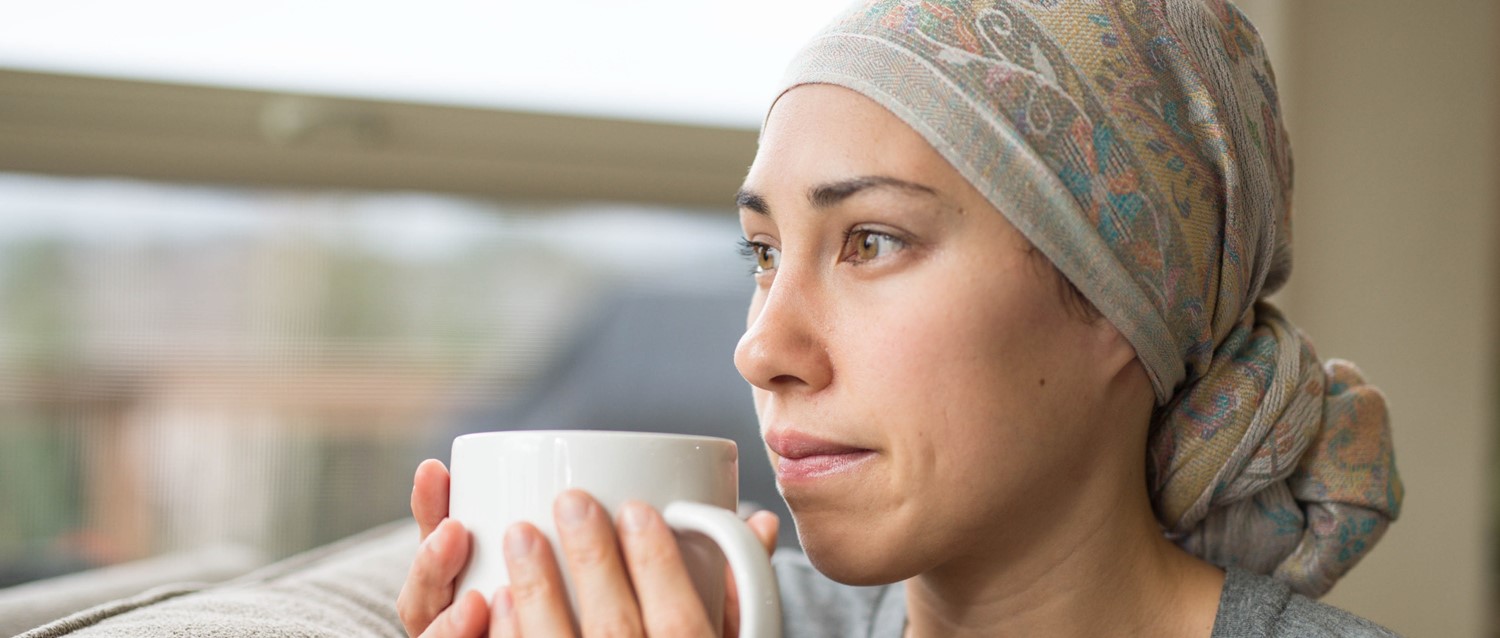
How cancer can affect your mental health
Peer reviewed by Dr Sarah JarvisAuthored by Lydia SmithOriginally published 29 Jan 2018
Meets Patient’s editorial guidelines
- DownloadDownload
- Share
- Language
- Discussion
- Audio Version
- Add to preferred sources on Google
Being diagnosed with cancer is life-changing and can have a significant impact on a person's emotional well-being, as well as those around them.
Thanks to medical advancements, we're constantly improving our ability to quickly diagnose and treat different cancers, which has greatly improved the chances of remission or living for longer with the disease. But what is often considered secondary to the physical impact of cancer is its effect on a person's mental well-being. Fear, anxiety, sadness and anger are common reactions to a diagnosis, and dealing with these emotions properly is crucial to improve quality of life.
A state of shock
Fiona MacKinnon, 50, was diagnosed with breast cancer shortly before her 44th birthday.
"I felt catapulted into a world I didn't want to be in; I felt like I'd been plunged into a state of shock - fear both of what was immediately in front of me and of what the future would hold, fear for my family and how they'd cope, confusion about everything, feelings, treatments,” she says.
"I can only liken it to going through a form of the grieving process, like when our son died during infancy," MacKinnon explains. "I was grieving for the loss of the life I had been living till the point of diagnosis, a life free from the regime and tie of surgery and treatments."
"When I got positive news, I felt elated when test results improved or were clear. But then the following day or even hours after, I'd wonder if the doctor actually got the results correct so then the feelings of positiveness and relief turned to fear and anguish and insecurity."
Feelings of uncertainty
Cancer can affect many different aspects of a person's life, from identity and body image to family roles and careers. It can bring feelings of hopelessness and uncertainty - which can have a detrimental impact on a person's mental health.
A 2016 study found more than 80% of women diagnosed with early-stage breast cancer had symptoms of PTSD - including flashbacks, feelings of detachment and outbursts of anger.
Lesley Howells, research lead and consultant clinical psychologist at the charity Maggie's, which provides emotional and practical support for people with cancer, says negative feelings are natural for people going through a traumatic period.
What can help?
Although these emotions can be unexpected and overwhelming, there are a number of approaches to help people cope.
Mindfulness and relaxation
Meditation and mindfulness can give clarity and peace of mind, which may improve well-being and health.
MacKinnon says she tried relaxation classes, meditation and t'ai chi at her local Maggie's centre, which was an enormous help. "It allowed me to let my mind and body have some peace and relaxation," she says.
"People turn to mindfulness because it makes absolute sense," Howells explains. "You realise you can't take anything for granted and that can be a struggle for many people. What mindfulness does is it helps you move with reality rather than struggle against it."
Acceptance and commitment therapy
ACT is a form of mindfulness-based therapy which helps people accept difficulties in life.
"It's ideal for people who know they have gone through cancer, and know they live with the reality the cancer might return, but they don't want to struggle with that reality because it is emotionally consuming," Howells says.
"ACT invites you to stay within the present moment, so instead of taunting yourself about the future or past, it helps you be within the here and now and not to get swept away with the anxiety or low mood."
Meeting other people
Support groups also allow you to share your feelings with others going through a similar experience or challenges, such as Macmillan's Online Community.
"During my surgery and treatments I met many people in a similar situation and as we got to know each other and share our feelings I realised what I was feeling and fearing was normal which was hugely reassuring and like a weight had been lifted," MacKinnon says.
Hobbies
Taking up art classes or other hobbies can be relaxing and fulfilling.
"When I felt well enough to I tried to immerse myself in new hobbies and interests," MacKinnon says. "I found taking up art and creativity classes very relaxing. I could allow my mind and body to relax. I also tried writing poetry which I'd never done before and took up photography.
"It also allows you to achieve a sense of normality away from the world of cancer, hospitals and treatments."
Writing
Writing down thoughts, emotions and feelings can also be therapeutic.
"I found writing a diary of my feelings and experiences helped me get the feelings out of my head and on to paper, which was very cathartic," MacKinnon says. "It allows the worry to escape your mind a bit on to paper."
Physical exercise
Keeping yourself in good physical health can positively affect your mental health - in fact, research published in the American Journal of Psychiatry in October 2017 found just one hour of exercise can help your mental well-being.
Graham Smith, 70, was diagnosed with prostate cancer in 2015 and has had chemotherapy and is receiving hormone therapy. Staying positive isn't always easy, but he enjoys keeping active.
"I try to keep busy and keep my mind on other things," he says. "I love cycling in the Cotswolds with friends and the physical exercise is a great help."
Look Good Feel Better
Appearance-related side effects of treatment, such as hair loss and changes to the skin, can knock a person's confidence.
"Often people will say that they don't recognise themselves in the mirror, so this feeling of lost identity can have a huge impact on mental health," says Carly Boyt, of the charity Look Good Feel Better, which provides free skincare and make-up workshops to help people feel more like themselves.
MacKinnon says she struggled to feel feminine after chemotherapy and a mastectomy. "I was offered a course which taught women to apply make-up to look good without hair or eyebrows, which helped me enormously."
Focusing on what you want to do
Research shows some people who go through a traumatic period of their lives can experience post-traumatic growth - a psychological phenomenon in which trauma puts life into perspective and allows people to focus on what really matters to them.
When MacKinnon was able to, she threw herself into voluntary media work for a national breast cancer charity to help raise awareness of signs and symptoms. "I felt by at least helping others it would feel to me as if some good had come out of all the bad," she says.
She also wrote a list of things she wanted to do or experience, such as visit Alaska. "I have learned not to put things off and to go for life 110%. I feel our futures are not guaranteed and that we are only in this world for a short time."
Professional help
Your GP, or cancer doctors and nurses will be aware of the feelings and reactions people have to the illness - so they can help you work out the best way to deal with your emotions and are a good first port of call.
If your emotions are stopping you living life normally, talking things through with a trained mental health professional, such as a counsellor or clinical psychologist, may also help. It's key to remember that talking to a professional doesn't mean something is terribly wrong - they are there to help you manage your feelings.
Patient picks for Information about cancer
Cancer
Less survivable cancers are more likely to have late diagnoses
The six less survivable cancers make up around half of all cancer deaths in the UK. However, these cancers are far more likely not to be diagnosed until they have reached later stages. Survival rates could significantly improve if there is more public awareness of symptoms and better diagnostic tools for GPs.
by Amberley Davis

Cancer
Cancer myths you need to stop believing
As if we didn't have enough to worry about, every day seems to bring a new scare story about cancer. But here are the myths you really don't need to be concerned about.
by Dr Sarah Jarvis
About the authorView full bio
Authored by

Lydia Smith
Feature writer
BA, MA, MSc
Lydia Smith is an award-winning journalist and feature writer who has written extensively on women's health and mental health. She is currently studying for an MSc in psychology.
About the reviewerView full bio

Dr Sarah Jarvis
Clinical Consultant
MA (Cantab), BM, BCh (Oxon), DRCOG, FRCGP, MBE
After training in medicine at Cambridge and Oxford, Dr Sarah Jarvis MBE became a GP.
Article history
Article also available in English, German, Spanish, French, Italian, Portuguese, Hindi, Hebrew, Arabic, and Swedish.
29 Jan 2018 | Originally published
Authored by:
Lydia SmithPeer reviewed by
Dr Sarah Jarvis
Join the conversation
Share your thoughts or experiences with others in our patient communities.

Ask, share, connect.
Browse discussions, ask questions, and share experiences across hundreds of health topics.

Feeling unwell?
Assess your symptoms online for free
Sign up to the Patient newsletter
Your weekly dose of clear, trustworthy health advice - written to help you feel informed, confident and in control.
By subscribing you accept our Privacy Policy. You can unsubscribe at any time. We never sell your data.