Air pollution speeds up ageing in the lungs
Peer reviewed by Natalie HealeyAuthored by Ashwin BhandariOriginally published 10 Jul 2019
Meets Patient’s editorial guidelines
- DownloadDownload
- Share
- Language
- Discussion
- Audio Version
- Add to preferred sources on Google
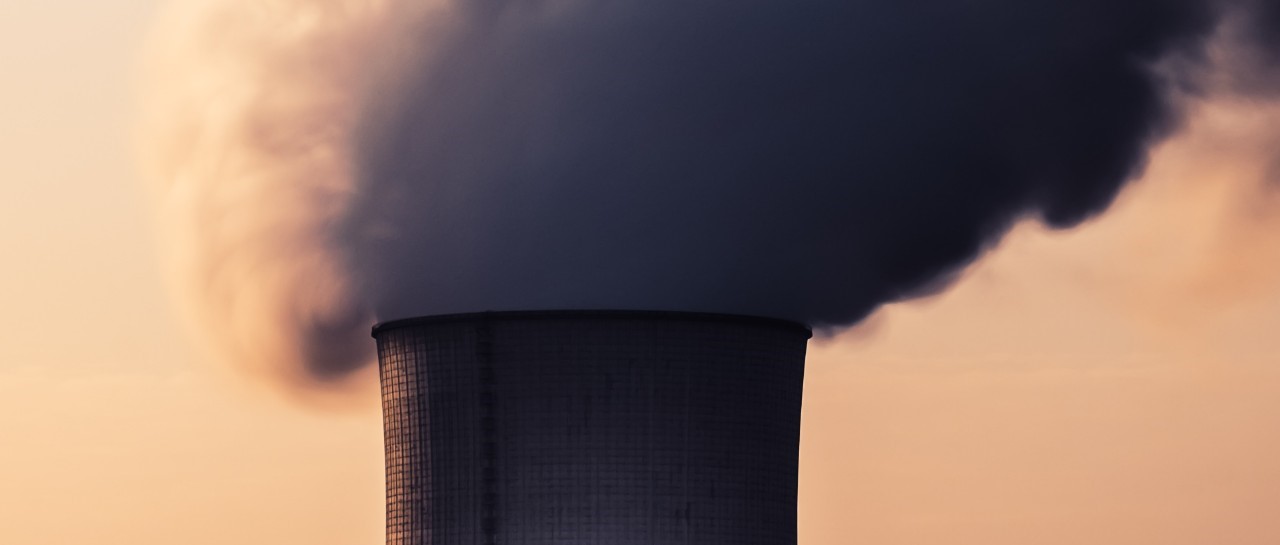
Air pollution causes lung ageing and increases the chances of developing a serious lung disease.
A study from the European Respiratory Journal has found that air pollution may contribute to the ageing process and adds to the evidence that breathing in polluted air harms the lungs. Researchers found the risks are particularly apparent in low-income areas.
Experts from Leicester University looked at questionnaire and lung function data from over 300,000 adults between the ages of 40-69. They then assessed their risk of developing chronic obstructive pulmonary disease (COPD).
Results showed that each yearly increase of five micrograms per cubic metre of fine particulate pollution (PM2.5) in the air that participants were exposed to at home was equal to the effects of two years of ageing. They also found that those who had less access to adequate healthcare options, poor housing, and childhood respiratory problems were more likely to develop COPD.
Lead researcher Dr Anna Hansell said more research needs to be conducted into the differences between the effects of air pollution on the lungs in lower and higher-income areas.
"Worryingly, we found that air pollution had much larger effects on people from lower-income households. Air pollution had approximately twice the impact on lung function decline and three times the increased COPD risk on lower-income participants compared to higher-income participants who had the same air pollution exposure."
COPD, a long-term condition of the lungs where the flow of air to the lungs is restricted, is the third leading cause of death worldwide. Air pollution can also increase the chances of heart disease, strokes, and chronic bronchitis.
The level of COPD-related deaths is estimated to increase within the next 10 years from rising levels of pollution in major cities. This follows a study from King's College London on air pollution in Birmingham which found children's lives are shortened by half a year, due to illegal levels of nitrogen dioxide and fine particulate pollution throughout the city.
Annual EU air quality limits for PM2.5 are 25 micrograms per cubic metre, which is higher than the levels researchers are noting as being linked to reduced lung function.
Professor Tobias Welte of Hannover University, president of the European Respiratory Society, was not directly involved with the study but emphasised that we must continue to fight for our right to breathe clean air.
He said: "The findings of this large study reinforce that exposure to polluted air seriously harms human health by reducing life expectancy and making people more prone to developing chronic lung disease. Access to clean air is a fundamental need and right for all citizens in Europe."
Patient picks for Pollution
General health and lifestyle
Air pollution in major cities for lungs is as bad as smoking 20 cigarettes a day
Long-term exposure to air pollution can worsen lung disease as much as smoking a pack of cigarettes every day for 29 years.
by Ashwin Bhandari

General health and lifestyle
How air pollution affects your health
UK Prime Minister, Rishi Sunak, has delayed banning the sale of new petrol and diesel cars from 2030 to 2035. Following World Car Free day we look at the health effects of air pollution and the harmful levels in the UK.
by Amberley Davis
About the authorView full bio

Ashwin Bhandari
Medical Writer
BA Journalism
About the reviewerView full bio

Natalie Healey
Freelance journalist
BSc (Hons) Biomedical Science
She is a London-based health journalist who has been writing about science and medicine for several years. She is the former head of editorial at Patient.
Article history
Article also available in English, German, Spanish, French, Italian, Portuguese, Hindi, Hebrew, Arabic, and Swedish.
10 Jul 2019 | Originally published
Authored by:
Ashwin BhandariPeer reviewed by
Natalie Healey
Join the conversation
Share your thoughts or experiences with others in our patient communities.

Ask, share, connect.
Browse discussions, ask questions, and share experiences across hundreds of health topics.

Feeling unwell?
Assess your symptoms online for free
Sign up to the Patient newsletter
Your weekly dose of clear, trustworthy health advice - written to help you feel informed, confident and in control.
By subscribing you accept our Privacy Policy. You can unsubscribe at any time. We never sell your data.
More in general health and lifestyle
- 8 common health symptoms you should never ignore
- 9 tips to enjoy yourself and budget well this Christmas
- A guide to UV protection sunglasses
- Air pollution blamed for a third of new asthma cases in Europe
- Clinical trials - helping to keep your medicines safe.
- How to drink more water and stay hydrated at a festival
- How to stay body positive over Christmas
- Ideas, Concerns and Expectations - a guide to filling in your GP’s online form
- Is Christmas music good or bad for your mental health?
- Is getting a massage a substitute for physiotherapy?
- Physician associates in the NHS: understanding the role, the debate, and your rights as a patient
- Plastic free July: should we be worried about microplastics?
- Real stories: How to manage endometriosis and your career
- Redefining work-life balance: what is the Quiet Quitting movement?
- Springtime gardening: tips to prevent strains and sprains
- Understanding your 'Right to Choose'
- What are EDCs and why should you worry about them?
- What is a prosecco smile? tips to protect your teeth this Christmas
- Why a Christmas movie can make us feel good
- Why we should be making mental health New Year resolutions