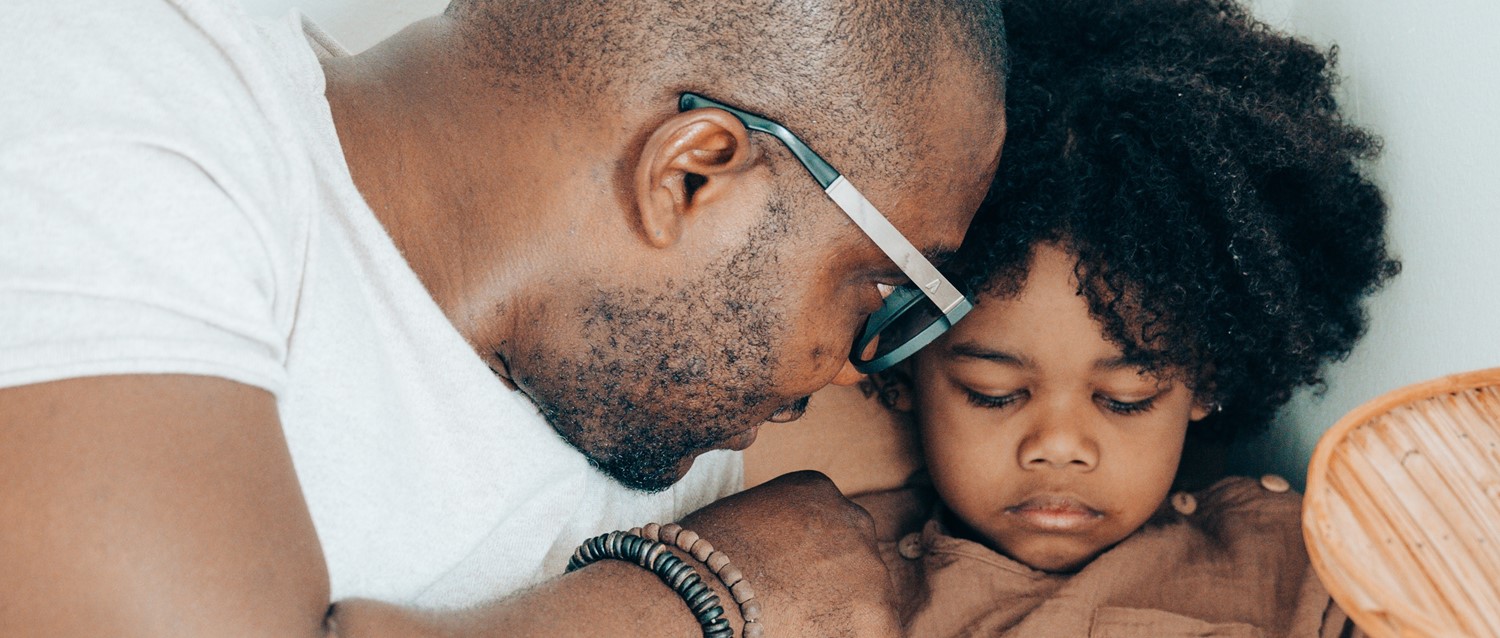
How to spot the signs that your child is depressed
Peer reviewed by Dr Sarah JarvisAuthored by Emily Jane BashforthOriginally published 30 Apr 2022
Meets Patient’s editorial guidelines
- DownloadDownload
- Share
- Language
- Discussion
- Audio Version
- Add to preferred sources on Google
People can sometimes dismiss mental health struggles in children, saying they will "grow out of it" or their problems are "frivolous" in comparison to those of adults. However, depression in children is a very real issue, and it's important you're able to spot the signs so it can be treated as early as possible.
What causes depression in children?
It is often believed that young people cannot have depression. Signs of depression in children are frequently dismissed as normal emotional and psychological developments as they get older. However, depression in children is possible and they can experience forms of sadness and worry that differ from their everyday troubles.
Rachel Melville-Thomas, child and adolescent psychotherapist and spokesperson for the Association of Child Psychotherapists (ACP), says it is often thought children are "too young" to be depressed. Particularly in teenagers or high-schoolers, signs of depression are seen as "typical teenager" mood swings and the effect of hormones.
But, she states that depression in children and teenagers can be caused by a combination of factors. These can include:
Loss.
Stressful school experiences.
Early years' hopelessness due to attachment problems in the family.
Witnessing, or being a victim of, violence.
Sexual abuse.
Low self-esteem.
Peer problems.
Long-term bullying.
A child's depression could derive from one singular life event - such as their parent's' divorce or a family death - or a string of events, like bullying, academic struggles, and low self-esteem.
"Inherited tendencies to depression also play a significant part," Melville-Thomas says, since mental illness tends to run in families.
It is thought that 280 million people in the world have depression, and genes as well as environmental factors and trauma can play a part with depression in children. Some studies have indicated that someone whose parent, sibling, or child is diagnosed with depression could be three times more likely to be diagnosed with depression in their own life, compared to the general population.
Signs of depression in children
There are many ways that depression in children and young people can present itself. These include:
Continued sadness.
Listlessness and not enjoying things they previously liked (for a minimum period of two weeks).
Being indecisive.
Feeling tired all the time.
Irritability or unexplained grumpiness.
Being less interactive with family members.
Lacking in confidence.
Fluctuations in weight (gaining or losing).
Being unable to relax and feeling on edge.
Talking negatively about themselves.
Having ideations about self-harm or suicide (or actually attempting these things).
"Parents need to look carefully beyond the appearance of a child simply being 'fed-up' to recognise if their mood is really flat, with negative comments like, 'Nothing goes right for me,' 'I don’t have any friends,' or 'I wish I wasn’t here'," adds Melville-Thomas.
She says parents might notice a variety of depressive symptoms in their child - such as becoming withdrawn and silent, crying uncontrollably, and becoming aggressive. In adolescents, there's an increased chance of risky behaviour and engaging in drinking alcohol or taking drugs.
"Younger children may also show their low mood by reporting physical symptoms such as headaches, tummy aches, or sleep and/or eating disruption."
Depression in children - what should your first steps be?
It's understandable why parents or guardians might approach symptoms of depression in their child with panic and worry. However, you should try to take a gentle, supportive approach that is inquisitive and genuinely caring, rather than invasive or angry.
You can do this by not placing all the focus on "cheering them up", but rather encouraging them to open up about how they're feeling.
"Talk to your child without judgement. Encouraging them simply to 'think positive' often doesn't work against the neurochemical changes in their brain that drive depression," says Melville-Thomas.
Therefore, listening is just as important as talking, if not more so. This gives you an insight into what they are going through, and a different perspective on situations you didn't question at the time. Listening to how your child describes their feelings also offers a view of how they see the world around them, which is particularly helpful if they are very young. Children do not see things with adult mindsets, so it might take your child describing a situation to you for you to see it from their point of view.
"Be there for your child and remind them that you are trying to understand their experiences. If your concerns continue, consult your GP for guidance about the next steps and referrals for therapy."
How to treat depression in children
Acknowledging symptoms of depression in your child and intervening early are key to addressing the problem before it escalates. There are various forms of treatment available to encourage your child to be open about what is making them depressed.
If a young child is diagnosed with depression (below 12 years of age), they can be treated through various forms of talking or playing therapy as well as cognitive behavioural therapy, where their feelings can be further heard and understood. This might come from play therapists, child psychotherapists or psychologists.
The British Association of Play Therapists defines play therapy as a means of "helping children understand muddled feelings and upsetting events that they haven't had the chance to sort out properly".
Rather than forcing them to talk, play therapy encourages children to use play to communicate at their own level and at their own pace, without feeling questioned or threatened.
Melville-Thomas adds that older children and teenagers can also respond to talking therapies. These might include cognitive behavioural therapy (CBT), during which the link between thoughts and feelings is examined.
She says that in her opinion the best combination for adolescents tends to be talking therapy plus antidepressant medication. Antidepressants are very rarely prescribed by GPs for young people. Instead, they should be monitored by Child and Adolescent Mental Health Services (CAMHS), although GPs may issue follow-up prescriptions in partnership with CAMHS. Research shows that all of these approaches work best when parents are very involved and engaged in the support that is being offered.
Finding support
If you suspect your child is showing symptoms of depression, seek a medical diagnosis to ensure appropriate treatment is given. A clear diagnosis can be available through your local NHS services (CAMHS). However, there may be waiting lists involved, so parents can find immediate help and support through various organisations such as:
The Charlie Waller Trust's PLACE network also offers parent peer support.
Patient picks for Mental health and behaviour

Children's health
Student mental health: how to tell if your child is depressed at university
University can be an exciting time in a young person's life - for many it marks the first step into independent living, and a time to explore new opportunities. However, this exciting life change can also come with challenges, both physical and emotional.
by Lynn Stephen
Children's health
PANDAS: what we know and what we don’t
We live in an age where medical science is advancing at an incredible rate. But most doctors will agree that we are a long way from knowing everything. And this is the case with a condition known as PANDAS (paediatric autoimmune neuropsychiatric disorders associated with streptococcal infections) in which streptococcal antibodies are thought to affect the brain.
by Gillian Harvey
About the authorView full bio
Authored by

Emily Jane Bashforth
Feature Writer
NCTJ
Emily is a Feature Writer with Patient, writing articles on a variety of topics relating to health and well-being.
About the reviewerView full bio

Dr Sarah Jarvis
Clinical Consultant
MA (Cantab), BM, BCh (Oxon), DRCOG, FRCGP, MBE
After training in medicine at Cambridge and Oxford, Dr Sarah Jarvis MBE became a GP.
Article history
Article also available in English, German, Spanish, French, Italian, Portuguese, Hindi, Hebrew, Arabic, and Swedish.
30 Apr 2022 | Originally published
Authored by:
Emily Jane BashforthPeer reviewed by
Dr Sarah Jarvis
Join the conversation
Share your thoughts or experiences with others in our patient communities.

Ask, share, connect.
Browse discussions, ask questions, and share experiences across hundreds of health topics.

Feeling unwell?
Assess your symptoms online for free
Sign up to the Patient newsletter
Your weekly dose of clear, trustworthy health advice - written to help you feel informed, confident and in control.
By subscribing you accept our Privacy Policy. You can unsubscribe at any time. We never sell your data.