Should all children have the flu vaccine?
Peer reviewed by Dr Hayley Willacy, FRCGP Authored by Dr Sarah JarvisOriginally published 18 Jan 2018
Meets Patient’s editorial guidelines
- DownloadDownload
- Share
- Language
- Discussion
- Audio Version
- Add to preferred sources on Google
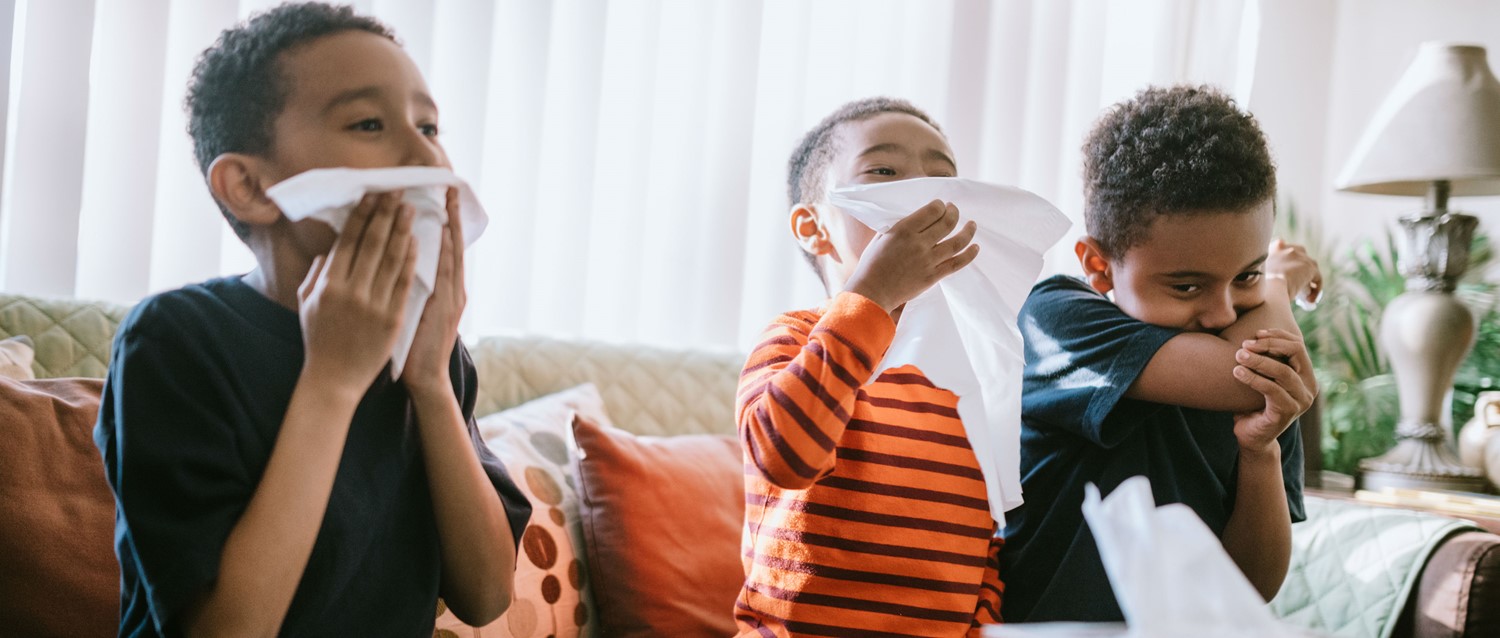
Flu vaccination season comes with many questions. But many parents are still unsure if their children should have the immunisation, now offered as a yearly nasal spray, or not. Here's what I recommend:
Where can my child get the flu vaccine?
In the 2020-21 season, the NHS flu vaccine has been extended in England and Northern Ireland to cover children in the first year of secondary school as well as those in primary school. All children who are aged 2 to 11 (but not 12 years or older) on 31st August 2020 are eligible. For children aged 2-4 years, immunisation is through GP surgeries, while for those in primary or secondary school it is via the school.
In Scotland, vaccination is offered to children aged 2-4 years and all those in primary school.
When was the kids' flu vaccine introduced?
In 2013, all 2-year-olds and 3-year-olds were offered a flu immunisation for the first time. And then in 2015, children aged 2-4 years and primary school children in years one and two were added to the list. In 2016, all children in years 1 to 3 in primary school were invited too and in 2018 it was extended to all primary school children up to year 5. In 2020-21, it is being offered to all children from age 2 years to first year of secondary school in England and Northern Ireland and to the end of primary school in Scotland.
Before introducing flu vaccination for all children, pilots were run in some parts of the country, with all primary school children offered immunisation. This allowed Public Health England to get a snapshot of what introducing the vaccine might mean in terms of reducing the burden of illness from influenza.
Super spreaders
Kids are known as 'super spreaders' - they spread the virus around far more other people than adults do. That means immunising them should cut the number of vulnerable adults getting flu complications too - and this theory was borne out in the pilot year.
At pilot sites where all children in local primary schools were vaccinated in the 2014/15 winter there was:
A 74% reduction in attendances at A&E for respiratory illness amongst primary school-aged children in primary school pilot compared to non-pilot areas.
A 93% reduction in hospital admissions due to confirmed flu in primary school-aged children in primary school pilot compared to non-pilot areas.
A 59% drop in GP consultations for flu in adults in primary school pilot compared to non-pilot areas.
Can the vaccine give you flu?
Catching or passing on the flu virus following immunisation is never an issue with the adult flu vaccination, as it doesn't contain any live virus. That means it's impossible for the virus to multiply - and absolutely impossible for it to 'give you flu'.
There are two main reasons people are convinced this happens. First, we give the flu immunisation in winter, when many people are coming down with viruses anyway. If you have the flu immunisation and develop a streaming nose two days later, you may well blame the vaccine even though it would have happened anyway. And second, the whole point of the vaccine is to prime your body to fight off the real flu virus if you're exposed to it. This immune process can result in you feeling a bit achy and cold-y; but this definitely isn't flu either.
Can you infect others after you've been given the jab?
I'm often asked about the chance of children who've been immunised infecting others. This is theoretically a risk because it's a 'live attenuated virus' - the virus that's used in the childhood nasal spray hasn't been killed, but treated to weaken it dramatically. It's been 'cold adapted' - that means that while it can multiply in colder areas like the nose, it can't replicate in the lungs. This allows your child to produce antibodies to help them fight off the real virus, but means they don't get any of the severe symptoms from exposure to the real thing.
In terms of infecting others, you 'shed' much less virus after the childhood immunisation than someone with influenza would. What's more, the virus you do shed can't multiply in the lungs and cause serious infection.
The only people who might be at risk are those with a very seriously depleted immune system - such as people who have just had bone marrow transplants. Clearly, children who've just had a bone marrow transplant won't be attending school. And in the USA, where millions of children have been immunised over the last 11 years, there have been no reported problems relating to passing on the infection. To be completely on the safe side, however, a child living in a household with someone in this position would be offered an alternative form of vaccine.
Other high-risk individuals
Of course, kids aren't the only ones being invited for immunisation. Other groups are at higher risk of complications such as pneumonia and even death from influenza, and Public Health England is encouraging them to come forward as well. To put the risks into perspective, here's how many times more likely you are to die from influenza than a similar person without a long-term health condition:
Pregnancy - 7 times more likely (more likely in later stages of pregnancy).
Heart disease - 11 times more likely.
Lung disease - 7 times more likely.
Liver disease - 48 times more likely.
Kidney disease - 19 times more likely.
Diabetes - 6 times more likely.
Suppressed immune system (cancer, cancer treatment, HIV, treatment for autoimmune conditions, etc) - 47 times more likely.
Multiple sclerosis - 40 times more likely.
Parkinson's disease - 40 times more likely.
So there you have it - flu is NOT the same as a nasty cold and it can kill. Getting immunised if you're in a high-risk group can prevent serious complications and even save lives. What are you waiting for?
Editor’s note
This article was updated on 2nd September 2020 in line with latest updated NHS guidance on flu vaccination.
Patient picks for Vaccinations

Children's health
Measles is back: why vaccines matter
Vaccines have been at the forefront in recent years, especially after the COVID-19 pandemic. While coronavirus vaccines have dominated the conversation, awareness of others, such as the MMR vaccine, which protects against measles, mumps, and rubella, has quietly declined.
by Victoria Raw
Children's health
Should your child get the chickenpox vaccine?
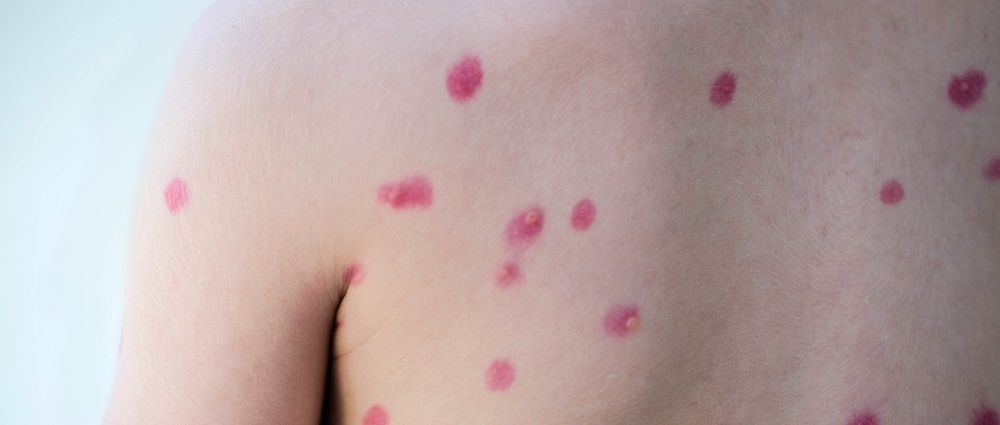
Many of us will remember having chickenpox as a child. The itchy red spots were almost impossible to stop scratching, but doing so could lead to scarring. In an attempt to soothe the itch, parents would douse us in calamine lotion and oatmeal baths. But now, instead of catching the virus to provide immunity, there’s another route parents can choose - the chickenpox vaccine.
by Lydia Smith
About the authorView full bio
Authored by

Dr Sarah Jarvis
Clinical Consultant
MA (Cantab), BM, BCh (Oxon), DRCOG, FRCGP, MBE
After training in medicine at Cambridge and Oxford, Dr Sarah Jarvis MBE became a GP.
About the reviewerView full bio

Dr Hayley Willacy, FRCGP
General Practitioner, Medical Author
MBChB (1992), DRCOG, DFFP, MRCOG (Part 1) MRCGP (2007), DFSRH (2013), MSc - medical education (2020)
Dr Hayley Willacy was an NHS GP working in northwest England, who retired from clinical practice in 2022 after 30 years.
Article history
Article also available in English, German, Spanish, French, Italian, Portuguese, Hindi, Hebrew, Arabic, and Swedish.
18 Jan 2018 | Originally published
Authored by:
Dr Sarah JarvisPeer reviewed by
Dr Hayley Willacy, FRCGP
Join the conversation
Share your thoughts or experiences with others in our patient communities.

Ask, share, connect.
Browse discussions, ask questions, and share experiences across hundreds of health topics.

Feeling unwell?
Assess your symptoms online for free
Sign up to the Patient newsletter
Your weekly dose of clear, trustworthy health advice - written to help you feel informed, confident and in control.
By subscribing you accept our Privacy Policy. You can unsubscribe at any time. We never sell your data.