Should your child get the chickenpox vaccine?
Peer reviewed by Dr Krishna Vakharia, MRCGPAuthored by Lydia SmithOriginally published 8 Jun 2023
Meets Patient’s editorial guidelines
- DownloadDownload
- Share
- Language
- Discussion
- Audio Version
- Add to preferred sources on Google
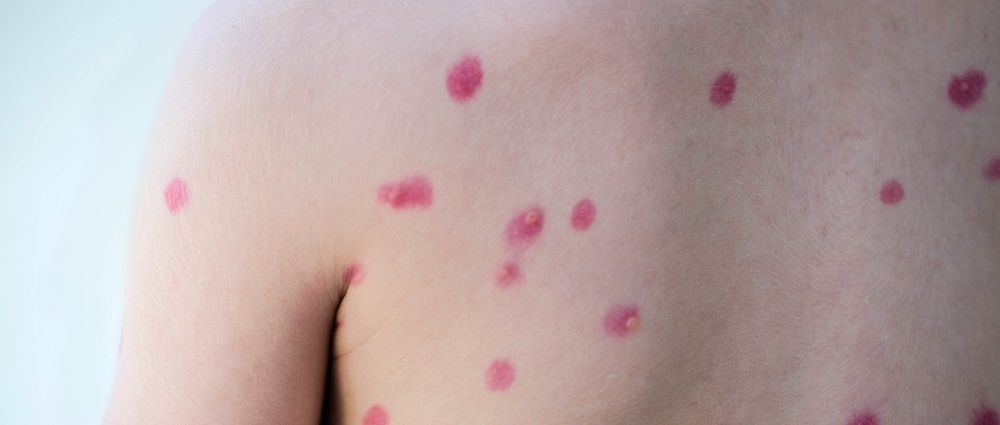
Many of us will remember having chickenpox as a child. The itchy red spots were almost impossible to stop scratching, but doing so could lead to scarring. In an attempt to soothe the itch, parents would douse us in calamine lotion and oatmeal baths. But now, instead of catching the virus to provide immunity, there’s another route parents can choose - the chickenpox vaccine.
Chickenpox is an illness caused by the varicella zoster virus. The symptoms include an itchy, spotty rash that turns into blisters, as well as a high temperature, aches and pains, tiredness, a loss of appetite and generally feeling unwell.
Chickenpox is common and mostly affects children, but you can get it at any age. It usually gets better by itself after one to two weeks without needing to see a GP. In adults, the symptoms tend to be more severe and can cause serious complications such as pneumonia1.
Catching chickenpox in childhood used to be the only way to get immunity to prevent getting the virus in adulthood. In order to 'catch' the virus and gain immunity, some parents would throw chickenpox parties. Since it was developed in Japan in the 1970s, however, the vaccine has become increasingly popular2. In the UK, the chickenpox jab isn’t part of the childhood vaccination programme on the NHS. However, you can pay for it privately.
What are the pros of getting the chickenpox vaccine?
Reduces chance of catching chickenpox and prevents serious illness
One of the key benefits of the vaccine is that it significantly reduces the likelihood of catching chickenpox, as the symptoms can be very unpleasant. The itchy spots can be very irritating and affect sleep and generally make a child feel very unwell. However, most children who catch the virus don’t become seriously unwell and get better after one or two weeks.
However, a very small number of children - even those who were previously healthy with no underlying medical conditions - can experience severe complications. These can include encephalitis - a swelling of the brain - pneumonia and other serious infections3.
The vaccine prevents chickenpox in 85% of immunised children, but provides 97% protection against severe disease4. Therefore, if an immunised child does catch the virus, they are far less likely to have serious complications.
Protects vulnerable people
The chickenpox vaccination is recommended for adults and children in regular or close contact with someone who has a weakened immune system or is at risk of serious illness if they catch chickenpox.
Vaccination also protects people at risk of catching chickenpox through close contact. The types of people who can have a chickenpox vaccination on the NHS include non-immune healthcare workers and close relatives and carers - who have not previously had chickenpox - of people who are unwell.
Helpful for working parents
Additionally, preventing a child from catching chickenpox can be an easier route for working and busy parents. A child with the virus will need to stay off nursery or school until their scabs have healed over, which can take up to a week. This can mean parents have to take time off work.
Trimming transmission
If a child catches chickenpox after having the vaccination - known as a breakthrough infection - it isn’t as contagious as the natural infection. Therefore, getting your child vaccinated can mean that other children may be less likely to get infected.
What are the cons of getting the chickenpox vaccine?
Not available on NHS
Unfortunately, the vaccine isn’t available on the NHS for the majority of children and adults. Jabs are given only to adults and children who are in close contact with someone who is either immuno-suppressed or would otherwise be at risk if they got chickenpox. So if you do want to get your child vaccinated, you’ll have to pay for the vaccine. It comes in two doses and costs around £150 for the whole course.
Who shouldn't have the chickenpox jab?
People who should not have the chickenpox vaccine include:
Anyone with a weakened immune system.
Anyone who has had a serious allergic reaction to a previous dose of the vaccine or to any of the ingredients in the vaccine.
Pregnant women - if you have the chickenpox vaccine, try to avoid becoming pregnant within one month of the last dose.
Anyone who is seriously unwell should delay having the vaccination until they recover.
Further reading
Papaloukas et al: Successes and challenges in varicella vaccine.
Cameron et al: Severe complications of chickenpox in hospitalised children in the UK and Ireland.
Patient picks for Vaccinations

Children's health
1 in 5 children starting primary school are not fully protected against serious illnesses
Around 1 in 5 children going back to school are not protected against several serious illnesses. Read here about why UK Health Security Agency (UKHSA) and NHS England urge you to check your child’s vaccination record and catch up on any missed jabs, and what illnesses the vaccinations protect against.
by Lawrence Higgins
Children's health
Why do kids need the flu jab?
This winter, the NHS is launching its biggest ever flu vaccination campaign. Doctors and virologists explain why, and how giving consent for your children's vaccinations helps protect kids - and everyone else.
by Ellie Broughton
About the authorView full bio

Lydia Smith
Feature writer
BA, MA, MSc
Lydia Smith is an award-winning journalist and feature writer who has written extensively on women's health and mental health. She is currently studying for an MSc in psychology.
About the reviewerView full bio

Dr Krishna Vakharia, MRCGP
Chief Medical Officer for Health, Optum UK
MBChB, MRCGP(2013), BMedSci (hons), DFSRH, DRCOG, PGDipDerm (Distn)
Dr Krishna Vakharia is an NHS GP. She is also a regular examiner for the postgraduate Diploma in Practical Dermatology at Cardiff University as well as being the Chief Medical Officer for health at Optum UK.
Article history
The information on this page is peer reviewed by qualified clinicians.
Article also available in English, German, Spanish, French, Italian, Portuguese, Hindi, Hebrew, Arabic, and Swedish.
8 Jun 2023 | Originally published
Authored by:
Lydia SmithPeer reviewed by
Dr Krishna Vakharia, MRCGP
Join the conversation
Share your thoughts or experiences with others in our patient communities.

Ask, share, connect.
Browse discussions, ask questions, and share experiences across hundreds of health topics.

Feeling unwell?
Assess your symptoms online for free
Sign up to the Patient newsletter
Your weekly dose of clear, trustworthy health advice - written to help you feel informed, confident and in control.
By subscribing you accept our Privacy Policy. You can unsubscribe at any time. We never sell your data.
More in children's health
- Coming home with baby - looking after mum
- Everything you need to know about baby eczema
- Free chickenpox vaccine to be offered to children in England for the first time
- How many children should you have?
- How should we support children with autism?
- How to brush and care for your child's teeth
- How to help your baby sleep safely in hot weather
- How to introduce your baby to allergenic foods
- How to manage breastfeeding when you return to work
- How to relieve your baby's teething pain
- Parental burnout: your guide to understanding and overcoming it
- NewScreens, school, and short-sightedness: 5 ways to protect young eyes
- Signs of tinnitus to look out for in children
- What are the benefits of baby probiotics?
- What childhood illnesses can adults get?
- What happens when you transfer from child to adult mental health services?
- What is tongue-tie in babies?
- When is your child too sick for school?
- When should you worry about a fussy eater?
- When should your baby's bedtime be?