COVID-19: what should I do if I think I have coronavirus?
Peer reviewed by Dr Sarah JarvisAuthored by Milly EvansOriginally published 11 Mar 2020
Meets Patient’s editorial guidelines
- DownloadDownload
- Share
- Language
- Discussion
- Audio Version
- Add to preferred sources on Google
Like many other countries, the UK is seeing an increase in diagnoses of COVID-19. If you think you might have contracted the virus, what should you do?
Please note that the information in this article has not been updated since it was written and cannot be relied upon. You can find our latest features and advice on coronavirus and COVID-19 at our coronavirus hub.
Use Patient's coronavirus checker tool if you have any symptoms of fever or a new cough. Until you have used the tool and been advised what action to take, please stay at home and avoid contact with other people.
Across the world, countries are taking serious measures to minimise the outbreak of the virus including going into quarantine, widespread testing and the closure of public spaces.
Signs and symptoms
The symptoms of COVID-19 are very similar to other respiratory infections like cold and flu. According to a study published in The Lancet, the proportion of infected people with the following symptoms of coronavirus infection is:
Fever - 98%.
Cough - 76%.
Shortness of breath - 55%.
Muscle ache or tiredness - 44%.
Coughing up sputum - 28%.
Headache - 8%.
Coughing up blood - 5%.
Some people may also have a runny or blocked nose, sore throat and sneezing.
However, it is possible to have coronavirus, and be able to pass it on, without having any symptoms. That's why it's important to take action if you are advised to, to avoid passing it on to anyone who may be at greater risk of a serious infection.
If you think there is a chance you might have coronavirus, you should isolate yourself immediately and use our coronavirus checker tool.
Self-isolation: what does it mean?
You must self-isolate for seven days if you develop any symptoms of fever or a new cough. If you are part of a household and anybody in that household develops symptoms, everyone else must isolate for fourteen days. If more people in the household develop symptoms, they must isolate for a further seven days from the start of their symptoms, even if it means isolating for more than fourteen days.
If you are asked to self-isolate, you must:
Stay at home.
Not go to school, work or public places.
Not attend your GP surgery - if you have to attend hospital, do not use public transport to get there.
Not use public transport, including taxis.
Ask friends, family or delivery services to do errands for you.
Avoid visitors to your home, except to drop off food or supplies.
If you share a house, try and stay in one room away from other members of the household.
Avoid sharing towels, crockery, cutlery or bedding.
If your fever is gone and you feel better, you can leave isolation at the end of your allotted period. You must continue to isolate until the end of the period. Your cough may persist after your fever is gone.
If you continue to feel unwell or worse, you should use the coronavirus checker tool again and contact NHS 111 or the relevant number for your region if instructed.
If you have to be away from work to self-isolate, you may be worried about pay. The government has announced that workers will receive statutory sick pay from day one of isolation, in an emergency move to prevent people working when they should be in isolation. This does not apply to freelancers, those who work for themselves or those earning less than £118 a week. The government says it is discussing other options to ensure that people are able to self-isolate if required.
How does testing work?
People with mild cases of coronavirus are no longer being tested in the UK. Only those who are admitted to hospital with a moderate or severe respiratory infection will be tested.
Health professionals will test you by taking samples which may include blood, faeces (poo) or mucus from your nose, throat or lungs.
How do we treat COVID-19?
Most people - around 80% - have an asymptomatic or mild infection which doesn't require treatment. In this case, you should self-isolate for at least one week until you have recovered.
One in five people who contract COVID-19 will require hospital care. Around 15% of cases experience a severe infection requiring oxygen to help with respiratory symptoms. 5% experience critical infections, requiring ventilation. Those at a higher risk of severe or critical infections include older people and those with underlying health conditions.
The Royal College of Obstetricians and Gynaecologists issued new guidance for pregnant women who are concerned about coronavirus.
Currently there isn't a specific treatment for COVID-19 but we can treat the symptoms to help your body fight off the coronavirus. Antibiotics do not work as they only fight bacterial, not viral, infections. Antiviral drugs, such as those used to treat HIV, are being tested to see if they will have an impact on the coronavirus. Those requiring hospitalisation will be treated for their symptoms such as breathing difficulties or pneumonia.
How to prevent coronavirus
Prevention is better than a cure when it comes to health conditions. You can take various measures to reduce your personal risk of contracting the virus.
Follow the latest guidance from Public Health England.
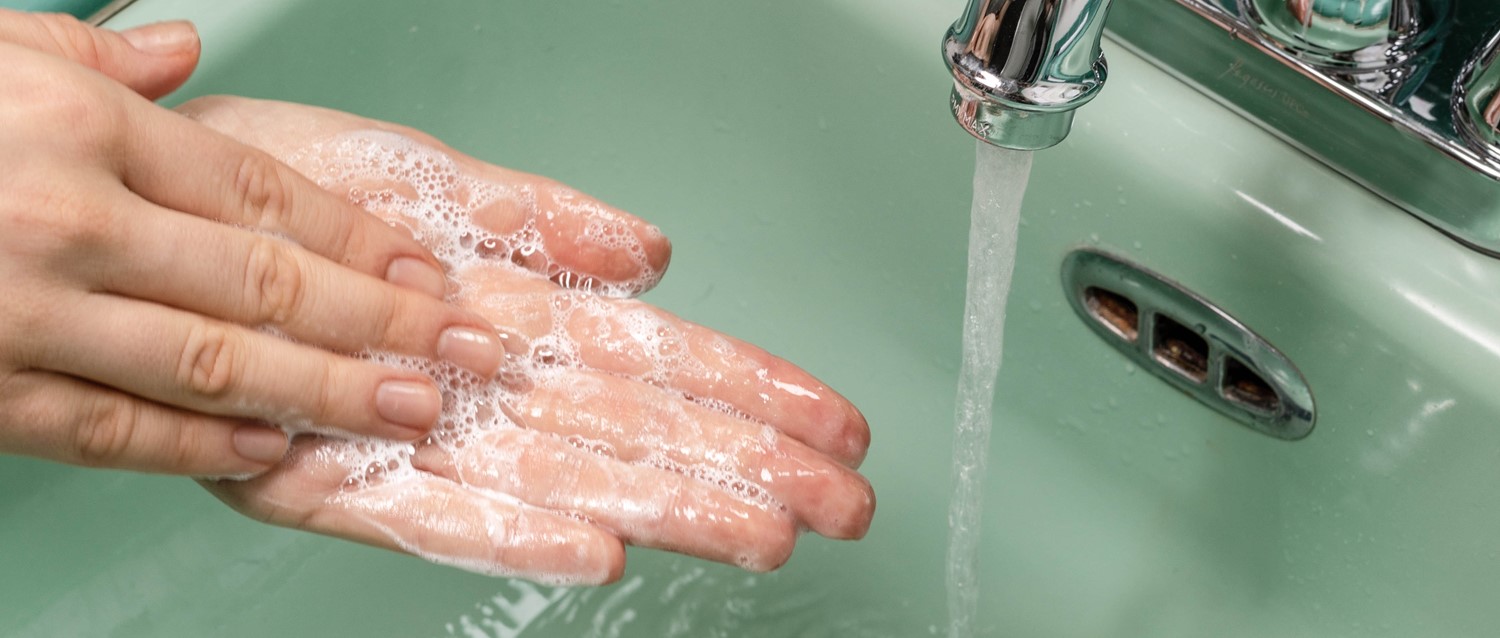
Wash your hands more frequently and properly. Wash your hands for 20 seconds each time, using the World Health Organization recommended handwashing method, soap and hot water. If soap and water are not available, use hand sanitiser containing at least 60% alcohol and wash your hands at the earliest opportunity.
Avoid touching your face with unwashed hands. This includes biting your nails, touching your eyes, nose and mouth and eating with your hands.
Avoid contact with people who are unwell.
Maintain social distancing. This means keeping at least 1 metre away from anyone who is coughing or sneezing. You should cover your mouth and nose with your bent elbow or a tissue if you are coughing and sneezing yourself.
Avoid travel to countries flagged by the Foreign and Commonwealth Office.
You should avoid all but essential social contact. This means avoiding social gatherings, clubs, pubs, cinemas and other social venues. If you can work from home or avoid public transport, you should.
Keep an eye on the latest guidance to stay up to date.
Patient picks for General information

COVID-19
COVID-19: how to stay safe at work
In a bid to get the economy moving and return some normalcy to day-to-day life, the government is encouraging those who can't work from home to go back to work. If you're back at the office or having to catch public transport every day, how can you stay safe?
by Andrea Downey

COVID-19
Why are Black and Asian people at greater risk from COVID-19?
A new national review found that Black and Asian people are more likely than white people to die from COVID-19. To save lives, doctors and patients need specific advice to understand how and why the virus is impacting people of different ethnicities in different ways.
by Ellie Broughton
About the authorView full bio

Milly Evans
Editor
Milly writes on a range of health topics, with a particular interest in health inequality and sexual health.
About the reviewerView full bio

Dr Sarah Jarvis
Clinical Consultant
MA (Cantab), BM, BCh (Oxon), DRCOG, FRCGP, MBE
After training in medicine at Cambridge and Oxford, Dr Sarah Jarvis MBE became a GP.
Article history
Article also available in English, German, Spanish, French, Italian, Portuguese, Hindi, Hebrew, Arabic, and Swedish.
11 Mar 2020 | Originally published
Authored by:
Milly EvansPeer reviewed by
Dr Sarah Jarvis
Join the conversation
Share your thoughts or experiences with others in our patient communities.

Ask, share, connect.
Browse discussions, ask questions, and share experiences across hundreds of health topics.

Feeling unwell?
Assess your symptoms online for free
Sign up to the Patient newsletter
Your weekly dose of clear, trustworthy health advice - written to help you feel informed, confident and in control.
By subscribing you accept our Privacy Policy. You can unsubscribe at any time. We never sell your data.
More in cOVID-19
- 19th July: staying safe as COVID-19 restrictions ease
- COVID-19 antibody tests: how do they work and who can get tested?
- COVID-19 boosters and pregnancy: Are they safe and should you get them?
- COVID-19 coronavirus: what can I do under the new rules?
- COVID-19: Should vulnerable people shield because of Omicron?
- How does the new 90-minute COVID-19 test work?
- How has COVID-19 impacted cancer patients?
- How to choose the right face mask for you
- How to meet friends and family safely outdoors
- How to stay healthy while working at home
- Long COVID: what it is and how to cope
- What are the latest rules on face masks in the UK?
- What are the school COVID rules October 2023?
- What happens if you catch flu and COVID-19 at the same time?