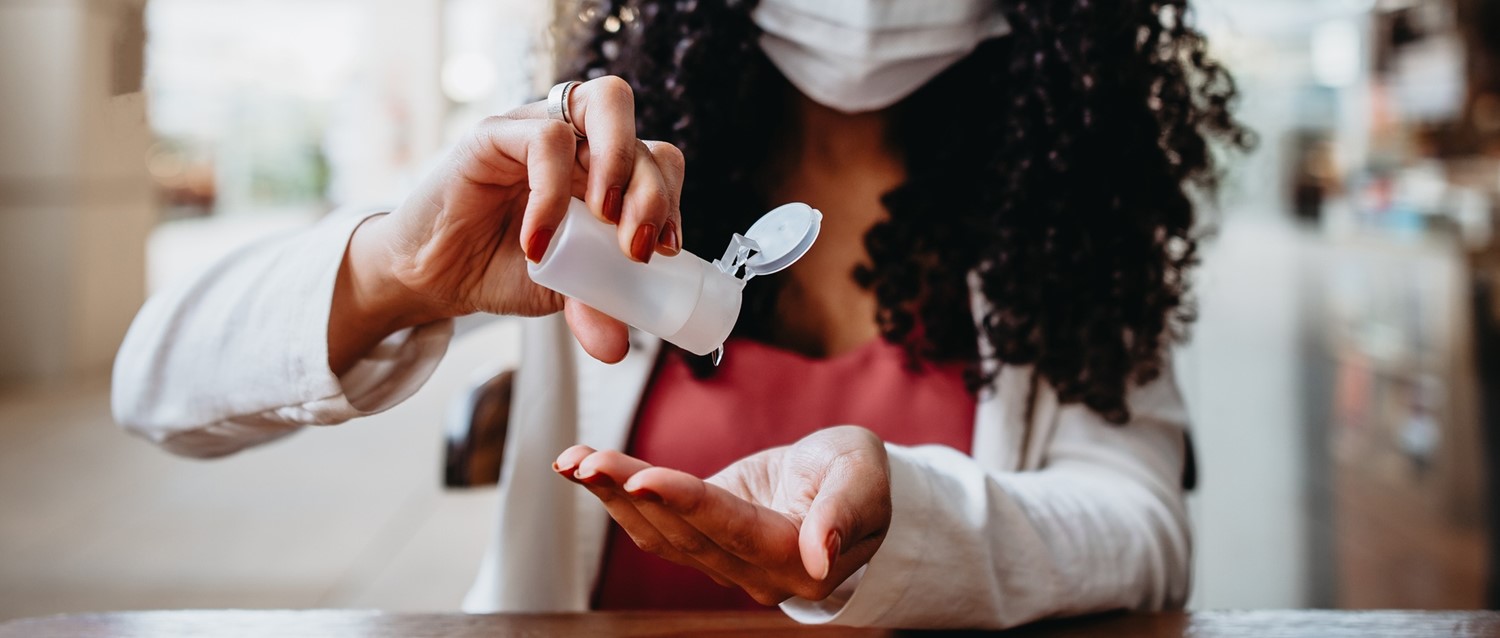
How to manage health anxiety in a post-pandemic world
Peer reviewed by Dr Sarah JarvisAuthored by Lydia SmithOriginally published 30 Jul 2021
Meets Patient’s editorial guidelines
- DownloadDownload
- Share
- Language
- Discussion
- Audio Version
- Add to preferred sources on Google
For some people, COVID-19 has had a lasting impact on their mental health. In particular, coronavirus has fuelled a rise in a debilitating condition known as 'health anxiety' - in which obsessive fears about health become excessive.
Navigating the huge changes to our lives during the pandemic has triggered anxiety for many people. And with fewer people wearing masks and social distancing, lots of us are worried about the virus spreading - rather than enjoying the opportunity to socialise freely.
Health anxiety is a specific type of anxiety disorder, where individuals spend a lot of time worrying about being unwell or becoming unwell.
It is defined by compulsively checking for symptoms, researching diseases, worrying over normal bodily sensations or taking extreme action to avoid exposure to disease. People with health anxiety may also seek constant reassurance from friends, family or medical professionals, or avoid typical activities or situations out of concern for their health.
Although it is a little-known condition, more people are struggling with health anxiety as a result of the pandemic.
"Almost all of us feel a bit worried and anxious from time to time. Anxious thoughts are designed to help us recognise when we might encounter some kind of danger or hazard," says Dr David McLaughlan, consultant psychiatrist at the Priory Hospital Roehampton.
"However, anxious thoughts become problematic when we overestimate the likelihood and severity of the threat whilst also underestimating our ability to cope. This can lead to us feeling overwhelmed and cause disruption to our lives."
Dave Smithson, operations director at Anxiety UK, explains that those living with health anxiety may be convinced that harmless physical symptoms are indicators of serious disease or severe medical conditions.
"For example, if a person experiencing health anxiety feels their chest is getting tight, they may believe that they are having a heart attack," he says. "Those with health anxiety frequently misinterpret physical symptoms of anxiety - such as shortness of breath, a racing heart or stomach upsets - as a sign of an impending physical health problem."
What causes health anxiety?
Often, people develop symptoms of health anxiety after some kind of trigger event. Stressful life events and experience of trauma, including abuse, neglect or bullying, can also be factors. Easy access to health information online - which can be inaccurate - can also trigger or exacerbate symptoms of health anxiety.
"The triggering event might have been related to illness in the individual or someone they know," says McLaughlan. "With the recent pandemic, many of us have felt overwhelmed by the information in the media which could also be triggering. However, sometimes, there is no specific trigger. It's just something that happens."
The lifting of pandemic restrictions may also trigger health anxiety, even among those with no prior experience of the condition. For many, the use of face masks, social distancing and other safety measures have been a comfort. With cases of COVID-19 variants on the rise, people may feel more vulnerable.
"Familiarity and predictability make us feel safe. During lockdown, many of us created 'comfort zones' with daily routines and social bubbles which helped us navigate a challenging time," McLaughlan explains.
"As restrictions lift, many of us will find ourselves being pushed outside of the comfort zones we have created - for example, being in close proximity to other people indoors or using public transport. Many of these situations could be triggering for other forms of anxiety, such as social anxiety."
How to cope with health anxiety
Stick to trusted information online
It is important only to seek news and information from a reliable trusted source and try to avoid social media which is often not regulated or reliable.
"The internet also holds a vast array of information and tools to self-diagnose an illness or health condition. This could help to explain the rise in health anxiety as people with this condition are able to have access to this information at all times," says Smithson.
"Also, this information often gives the worst-case scenario for the symptoms provided and therefore reinforces the cycle of health anxiety and increases the physical and psychological symptoms of their anxiety."
It's also important to try not to fixate on the media coverage of health topics. If you find yourself getting triggered, take a break from the news and do another activity to distract you.
Seek professional help
If you are struggling with anxiety, it's important to speak with your doctor. They will be able to advise the best course of action for you, whether it is medication, talking therapy or a combination of both.
Charities offer advice and support too. "Anxiety UK offers a wide range of support," says Smithson. "This includes a national, reduced-cost Approved Therapy Service with therapists trained in cognitive behavioural therapy, compassion focused therapy, clinical hypnotherapy, EMDR and counselling - all available either face to face or via phone or web."
Speak to friends and family
Intrusive worries and thoughts can be all-consuming and isolating, so it is important to speak to friends and family. "Don't give yourself a hard time and do reach out to friends, family and professionals when you need a bit of support," says McLaughlan.
Challenge anxious thoughts
McLaughlan recommends reframing anxious thoughts by writing down worries and challenging them.
"Draw a table with two columns," he says. "In the first column, write a list of common worries that you have about your health. In the second column, write down how a balanced friend might interpret the situation."
Return to normal gradually
You may be flooded with invitations to socialise as COVID-19 restrictions lift, but it's important to take it steadily. "It's natural that we will feel a little anxious as we adjust to changes in restrictions. I always ask my patients to be kind to themselves, especially if they're struggling," says McLaughlan.
"Write a list of activities which might be triggering for you. Start with the easiest and gradually work your way up to doing the activities which might feel most frightening. Reward yourself when you've achieved one of your goals, but don't give yourself a hard time if some days are more difficult than others."
Patient picks for General information

COVID-19
How to protect yourself from COVID-19 and flu in pregnancy
With unvaccinated pregnant women making up almost 20% of the most critically ill COVID-19 patients in England, it is more important than ever for women to protect themselves against COVID-19 and flu in pregnancy. There are many protective measures that can be taken at home, in work, and through health services.
by Amberley Davis
COVID-19
How to hang on to a lockdown lifestyle
Despite crises at home, at work and in our health, lockdown forced us to find new hobbies and habits, and give up commitments or crutches that we were bored with. As restrictions around the Delta variant lift, experts explain ways to hang on to the best bits of a bad year.
by Ellie Broughton
About the authorView full bio
Authored by

Lydia Smith
Feature writer
BA, MA, MSc
Lydia Smith is an award-winning journalist and feature writer who has written extensively on women's health and mental health. She is currently studying for an MSc in psychology.
About the reviewerView full bio

Dr Sarah Jarvis
Clinical Consultant
MA (Cantab), BM, BCh (Oxon), DRCOG, FRCGP, MBE
After training in medicine at Cambridge and Oxford, Dr Sarah Jarvis MBE became a GP.
Article history
Article also available in English, German, Spanish, French, Italian, Portuguese, Hindi, Hebrew, Arabic, and Swedish.
30 Jul 2021 | Originally published
Authored by:
Lydia SmithPeer reviewed by
Dr Sarah Jarvis
Join the conversation
Share your thoughts or experiences with others in our patient communities.

Ask, share, connect.
Browse discussions, ask questions, and share experiences across hundreds of health topics.

Feeling unwell?
Assess your symptoms online for free
Sign up to the Patient newsletter
Your weekly dose of clear, trustworthy health advice - written to help you feel informed, confident and in control.
By subscribing you accept our Privacy Policy. You can unsubscribe at any time. We never sell your data.