What is flash glucose monitoring and how can it help people with diabetes?
Peer reviewed by Dr Sarah JarvisAuthored by Lydia SmithOriginally published 13 Dec 2021
Meets Patient’s editorial guidelines
- DownloadDownload
- Share
- Language
- Discussion
- Audio Version
- Add to preferred sources on Google
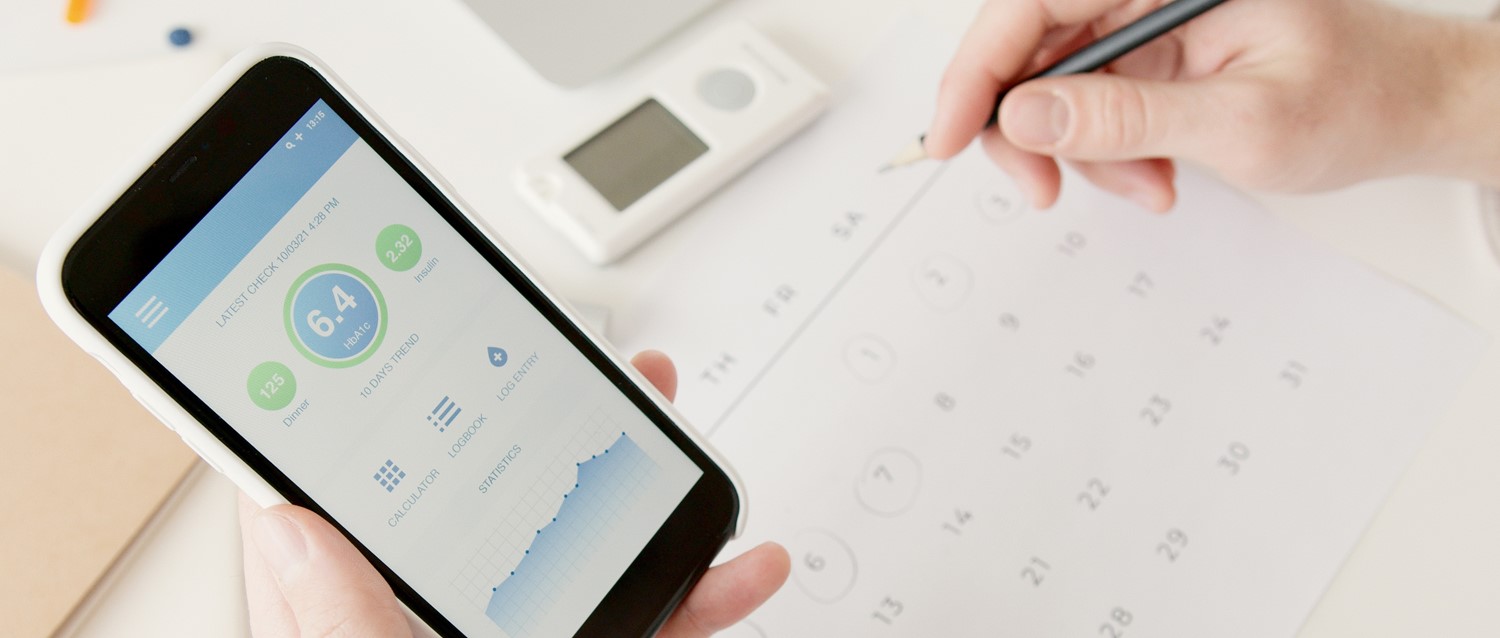
Technology is changing the way we live our lives and making it easier to live with health conditions such as diabetes. A flash glucose monitor, also called a flash, uses a sensor that is placed on the back of the upper arm and worn externally by the user. It is attached to a tiny needle that sits just under the skin. This allows glucose information to be monitored quickly and easily. But what exactly are these devices and what are the benefits?
Sign up for our free 10-week Diabetes course!
Each week, we'll explore a different topic to help you better understand and manage your diabetes, including everyday living and medicines, to mental wellbeing, the latest in diabetes tech, and nutrition.
By subscribing you accept our Privacy Policy. You can unsubscribe at any time. We never sell your data.
What is a flash glucose monitor?
In 2017, the FreeStyle Libre flash glucose monitor became available on prescription (subject to local health authority approval) in the UK, a landmark moment in the history of diabetes care. By the end of June 2020, 31% of people with type 1 diabetes in England had been prescribed flash glucose monitoring on the NHS.
"A flash glucose monitor records blood sugar levels continuously: you can view these by scanning its sensor with a reader or a smartphone app," says Dan Howarth, head of care at Diabetes UK.
"It shows you what your blood sugar level is, what direction it is travelling in and what it has been for at least the last eight hours. A newer version of this technology also alerts people to high and low blood sugar levels via an alarm."
All of the information the flash glucose monitor collects can be shared with a patient's healthcare professionals and reviewed during virtual appointments. This has been particularly helpful during the pandemic, with many people with diabetes saying it has improved their remote consultations.
Who can use a flash glucose monitor?
"Flash glucose monitoring is suitable for both those with type 1 and type 2 diabetes," says Dr Emma Wilmot, a consultant diabetologist with a specialist interest in type 1 diabetes and diabetes technology.
"NICE has just put its latest guidance out for consultation and it recommends flash glucose monitoring for all with type 1 diabetes and selected groups with insulin treated type 2 diabetes."
However, flash glucose monitoring access on the NHS tends to be restricted to people with type 1 diabetes in the UK, Howarth adds. To be eligible, people must meet specific criteria.
"We hope to see these criteria widened to ensure all people with type 1 diabetes and people with other types of diabetes who use insulin intensively (four or more injections a day) are able to access flash glucose monitoring should they want to," he says.
What are the benefits of flash glucose monitoring?
The device provides insight into a user's glucose levels 24/7, allowing people with diabetes to learn lots about the impact of their therapy and behaviour on their glucose. This leads to better outcomes and reduces the risk of diabetes complications, such as eye and foot problems, heart attacks and strokes.
In addition, the ability to share data with the user's healthcare provider allows the user to illustrate trends and patterns in blood glucose. This helps the patient and healthcare professional between them to create a fuller picture of the factors that may need to be addressed and how treatment should be adjusted.
There is a constant balance to be struck between avoiding high blood glucose, which can lead to serious long-term complications, and increasing the risk of debilitating and potentially dangerous hypoglycaemia (low glucose levels). Where trends and measurements are concerned, knowledge is power.
Research has shown flash glucose monitoring has demonstrated reductions in hypoglycaemia. It has also reduced hospital admissions in both those with type 1 and those with insulin-treated type 2 diabetes.
"For example, if I asked you to drive from your home to a specific point in an unfamiliar city 100 miles away you would probably want to see your sat nav for the duration of the journey. This is what flash allows - constant monitoring and feedback on progress," says Wilmot.
"The alternative is finger-prick blood glucose monitoring a few times a day, which is the equivalent of only being allowed to look at your sat nav two to four times during the journey. In this scenario, the chances of taking a wrong turn are high," she adds.
Limitations of finger-prick testing
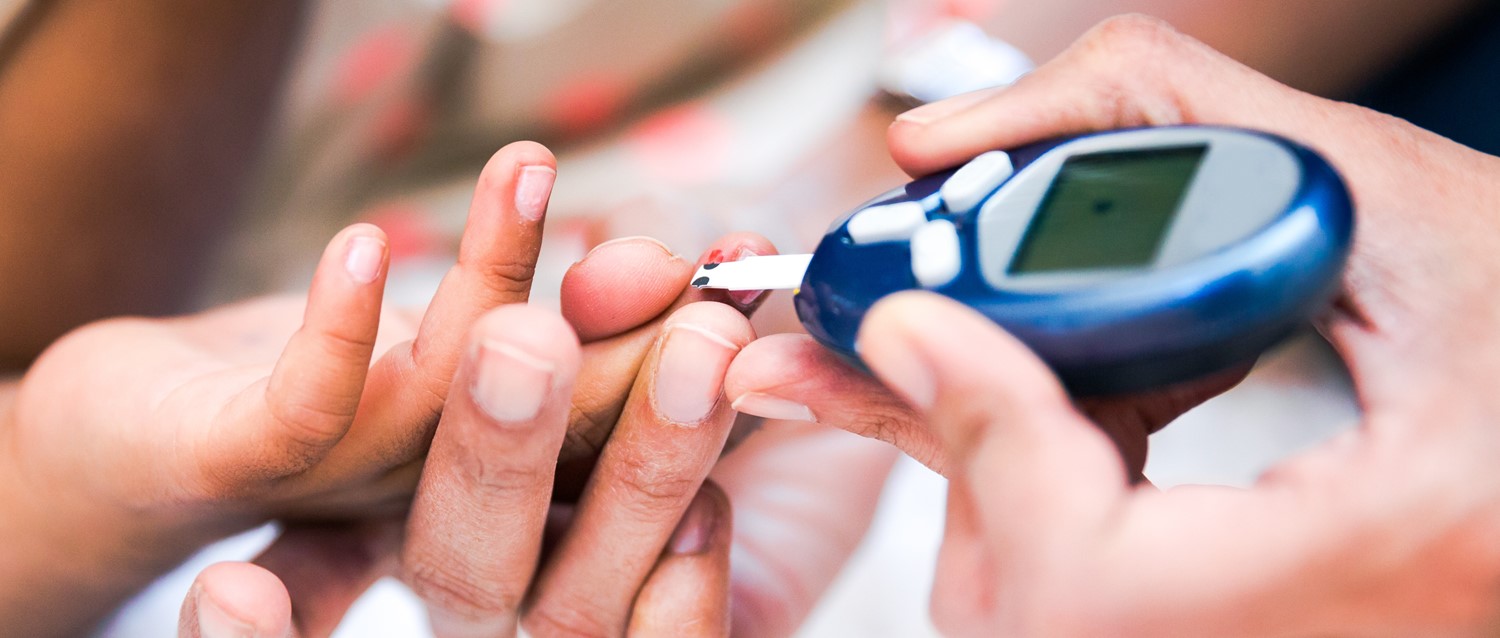
Finger-prick testing only tells you what your blood sugar level is at the moment you test, whereas flash provides a much richer picture. "These data can help people understand what foods affect them differently or how exercise impacts their blood sugar levels," says Howarth.
"It allows people to be proactive, rather than reactive. For example, if your blood sugars appear high but the trend arrow is pointing down, you may decide not to administer a corrective insulin dose because you know your blood sugar is coming down."
Are there any downsides to flash glucose monitoring?
"The negatives include the need to wear the sensor on the arm 24/7 for a 14-day period, although most get used to this quickly. A small number with sensitive skin may struggle with this," says Wilmot.
"The other downside is data overload and people can on occasion feel a bit overwhelmed. However, the vast majority of the people I met in my clinic describe it as 'life changing' technology which they would not be without."
Howarth adds that burnout is a risk for anyone living with diabetes, so people should be given appropriate support. "People with diabetes should be supported to make best use of the technology they can most benefit from," he says.
"For some, this may mean additional support from healthcare professionals, as well as access to the relevant psychological support if they need it."
Patient picks for Diabetes mellitus

Diabetes
Diabetes increases heart failure risk, particularly in women
A new study has found that there is a stronger link between diabetes and heart failure in women than in men.
by Milly Evans
Diabetes
Why low blood sugar is dangerous
Hypoglycaemia, or low blood sugar, is often known as a 'hypo'. It can make you feel unwell and affect your ability to drive. Simple steps will reduce the risk, and allow you to treat a hypo early, before it causes more serious complications.
by Dr Sarah Jarvis
About the authorView full bio
Authored by

Lydia Smith
Feature writer
BA, MA, MSc
Lydia Smith is an award-winning journalist and feature writer who has written extensively on women's health and mental health. She is currently studying for an MSc in psychology.
About the reviewerView full bio

Dr Sarah Jarvis
Clinical Consultant
MA (Cantab), BM, BCh (Oxon), DRCOG, FRCGP, MBE
After training in medicine at Cambridge and Oxford, Dr Sarah Jarvis MBE became a GP.
Article history
Article also available in English, German, Spanish, French, Italian, Portuguese, Hindi, Hebrew, Arabic, and Swedish.
13 Dec 2021 | Originally published
Authored by:
Lydia SmithPeer reviewed by
Dr Sarah Jarvis
Join the conversation
Share your thoughts or experiences with others in our patient communities.

Ask, share, connect.
Browse discussions, ask questions, and share experiences across hundreds of health topics.

Feeling unwell?
Assess your symptoms online for free
Sign up to the Patient newsletter
Your weekly dose of clear, trustworthy health advice - written to help you feel informed, confident and in control.
By subscribing you accept our Privacy Policy. You can unsubscribe at any time. We never sell your data.