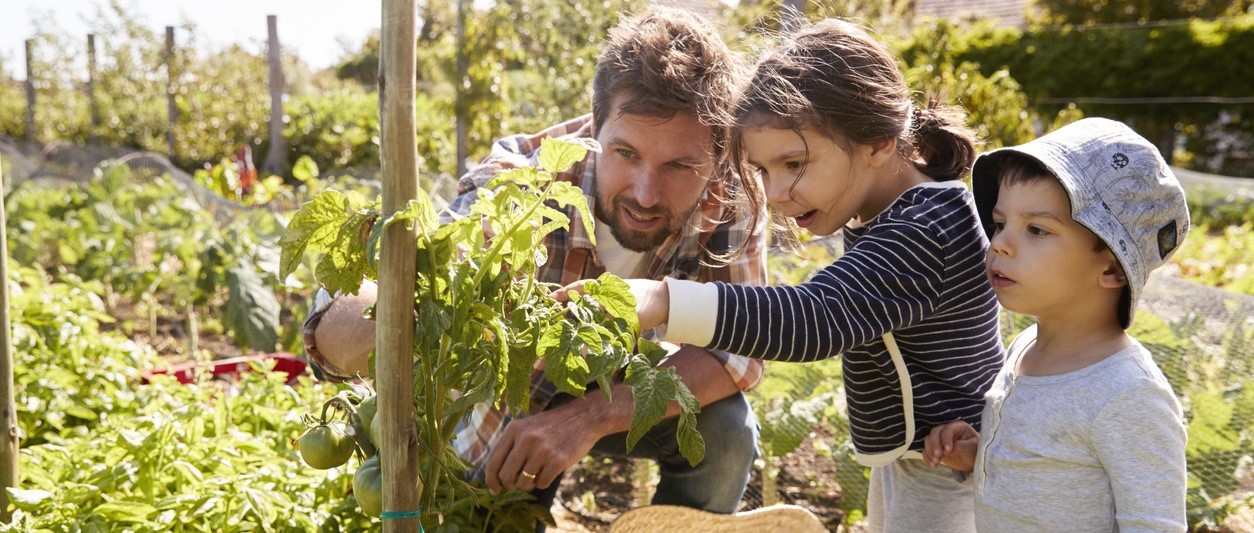
Why grow your own food for your health?
Peer reviewed by Dr Krishna Vakharia, MRCGPLast updated by Amberley DavisLast updated 13 Feb 2024
Meets Patient’s editorial guidelines
- DownloadDownload
- Share
- Language
- Discussion
- Audio Version
- Add to preferred sources on Google
For the average UK family, the quality and prices of shop-bought food can make it difficult to follow a healthy diet. If you can grow your own veg, fruit, and herbs - even in modest amounts - you can support your physical and mental health.
The problem with our food system
Our global food system gives us access to many foods we can't produce locally in the UK, from bananas grown in South America to cocoa products from West Africa. There's a lot to celebrate here, but the food system also has flaws that negatively affect public health.
Although we generate enough food to feed our seven billion global population, half of this population are malnourished, because they can't access it1. On the other end of the spectrum, the rise in heavily processed, manufactured foods has contributed to the obesity pandemic.
For the typical family
Our food system can make it difficult to choose a healthy diet. A report by The Food Foundation found that2:
Unhealthy foods are three times cheaper than healthy foods.
Advertisements of foods high in fat, salt, and sugar are unregulated and popular during key family TV viewing times and online.
Highly processed foods make up more than half the diet of a typical British family.
More than half of British adults are overweight and obese, 5% have diabetes, and one in three 5-year-olds have tooth decay.
The UK has the third highest rates of obesity in the EU.
Then there's the problem of food waste - a problem as large as one third of all the food in the supply chain3, and as costly as £50 per British family every month4. Our collective food wastage is also detrimental to our planet and own health, because of how it impacts biodiversity, greenhouse gas emissions, and malnutrition.
Why grow your own food?
If you grow your own veg, fruit, or herbs at home, you can help protect yourself and your family from some of the health concerns that come with a manufactured food diet - and boost your wellbeing in unexpected ways.
You may even live longer. After all, one of the common traits of the Blue Zones - where people consistently reach 100 years of age - is eating plenty of locally grown fruit and veg.
Mandy Doran is a trustee at Hands of Hope, a charity that tackles food poverty and connects people with nature by teaching local communities to grow their own food: "There is increasing evidence that food growing creates opportunities for recreation, exercise, therapy, and health. Personal benefits include reduced stress levels, better mental wellbeing, and improved knowledge and actions relating to healthy diet and physical activity."
Coronation Gardens for Food and Nature
In June 2023, The Wildlife Trusts, Incredible Edible, Garden Organic, and the National Federation of Women's Institutes launched a three year scheme to encourage people across the UK to grow their own healthy food to eat, as well as to make space for wildlife in their gardens.
With a grant of around £250,000, Coronation Gardens for Food and Nature provides help and advice on how to grow food in the space you have - from herb and salad gardens to vegetables and fruit trees - and an opportunity to pledge your garden on a map.
Grow your own veg - and eat more
It's thought that just one in three adults and one in 10 teenagers eat the recommended five daily portions of fruit and vegetables, with the poorest 20% in society eating on average one portion of veg less a day than the richest 20%5. Yet, research has found that if you grow your own veg, you are much more likely to eat more - around 40% more, according to one survey6.
Choose freshness - for more nutrients
All fruit and veg is good for us, but home-grown varieties pack in more nutrients and flavour than store-bought alternatives - and there are several reasons why:
Nutrient deterioration begins the moment a fruit or veg is picked - because the travel time from your garden to kitchen is so much shorter than the travel time for imported produce, the former tends to contain many more antioxidants and vitamins.
Commercial crop growers often develop new varieties that grow faster, have higher yields, and can withstand shipping - this can sometimes be to the detriment of nutrients and flavour.
Commercial growers often pick fruit and veg before they're fully ripe, to extend their shelf lives in stores - but not all fruits continue ripening once they're picked, and this means they contain less vitamin C when they reach our mouths.
Bulk commercial handling and the use of machines often cause bruising - which leads to more nutrients being lost7.
Avoid pesticides - and potential health impacts
The crops we buy in the supermarket begin life in agricultural farms. To minimise loss from crop-eating pests, most commercial farmers spray pesticides - toxic substances that deter or harm animals and insects. Although pesticide use is tightly regulated, traces of these toxins can be found on the fruit and veg we buy and ingest. Just how this could impact your long-term health remains unclear - and expert opinions are often mixed. What is clear is that in your own food garden, you control what coats your produce.
Nurture your vegetable garden - and it'll nurture you
When you grow your own food, you can nourish your mind as well as your body. While this is true for food growing in your own garden, it's community garden projects that best demonstrate the scope of these positive outcomes - from reduced stress to more social opportunities8.
Spotlight on - community gardens
Doran explains how community gardening can make a difference in people's lives:
It creates opportunities for recreation, exercise, therapy, and health.
It enhances people's experiences of social inclusion, social relationships, and networks.
It allows people to connect with nature - which also benefits health.
It enables self-development and teaches valuable skills.
These benefits can be particularly beneficial for those with health, educational, or social care needs.
The creation of community gardens provides more green spaces - which can benefit people in urban areas.
Encourage your child to grow - and so will they
There's a growing body of research around food growing and children's health. Doran says: "It's now well recognised that eating habits established in early childhood continue into adult life, and that children who participate in food growing activities at school have improved attitudes towards healthy eating9, as well as other positive wellbeing impacts, such as confidence, self-esteem, improved learning capabilities and skills10."
Eating locally produced food may even reduce your child's risk of asthma and other allergy sensitivities. This is because eating trace amounts of pollen on home-grown produce can help develop a child's immune system.
Invest in food growing - to reduce your food budget
Even if you're limited in what you can grow at home, every little helps reduce your weekly food shopping spending. The cost-of-living crisis has seen food prices soar in the UK - and healthy, organic options in stores are often the dearest. As a result, many families are unable to make healthier buying choices.
These statistics from The Food Foundation show how this is endangering our children's health:
2.5 million children in the UK live in food insecure households - this is 27% more than before COVID-19.
Almost half of food insecure families with children don't qualify for free school meals.
For those able to get school meals, 60% of secondary school meals are non-compliant with healthy school food standards.
To grow your own veg is to have a more cost-effective means of making sure that you and your family are getting they minerals and vitamins you need to lead happy, healthy lives.
Further reading
Food and Agriculture Organization of the United Nations: the state of food security and nutrition in the world 2022.
The Food Foundation: Major report highlights impact of Britain's disastrous food policy.
United Nations: Ensure sustainable consumption and production patterns.
The Food Foundation: Our priorities from the National Food Strategy.
Alaimo et al: Fruit and vegetable intake among urban community gardeners.
Barrett: Maximising the nutritional value of fruits and vegetables.
Schmutz et al: The benefits of gardening and food growing for health and wellbeing.
Patient picks for Healthy eating
Diet and nutrition
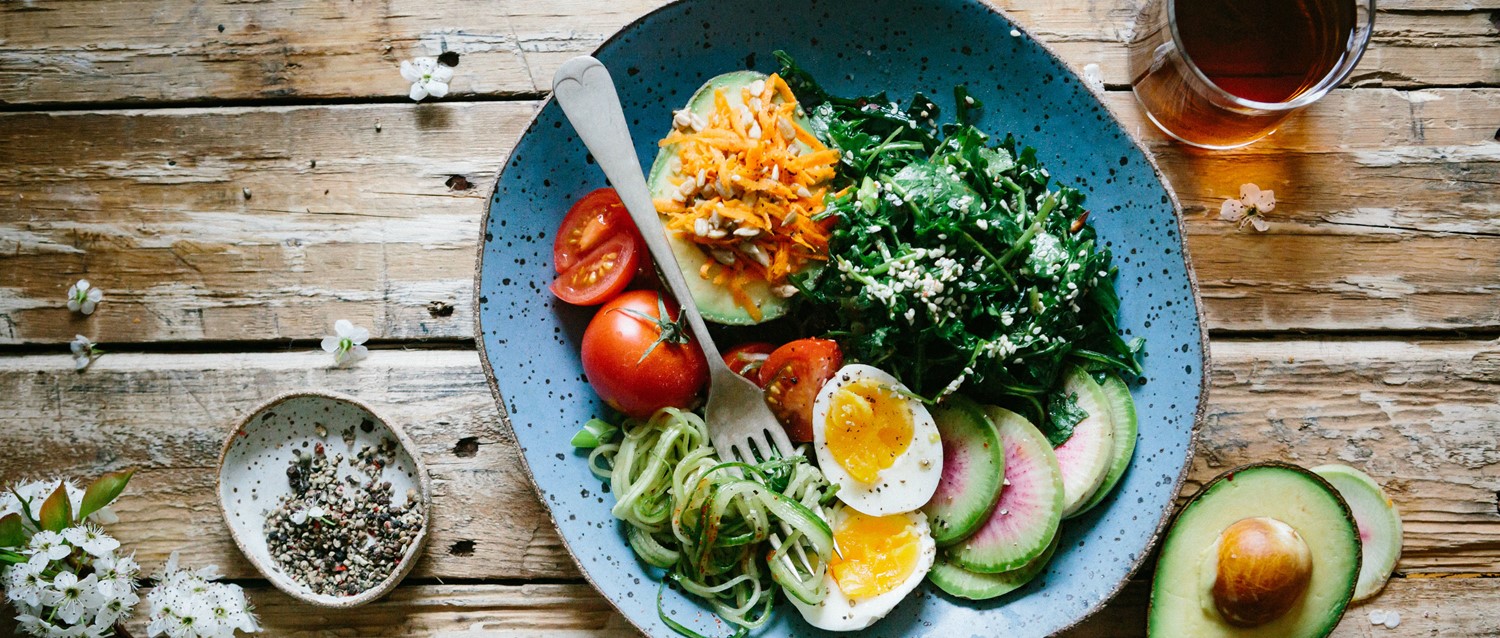
How to eat more vegetables without trying
Trying to eat more fruit and veg is a promise most of us make to ourselves on a regular basis. But it doesn't often feel like the easiest (or most appealing) undertaking. Luckily, we ask an expert how to sneakily up your tally.
by Natalie Healey
Diet and nutrition
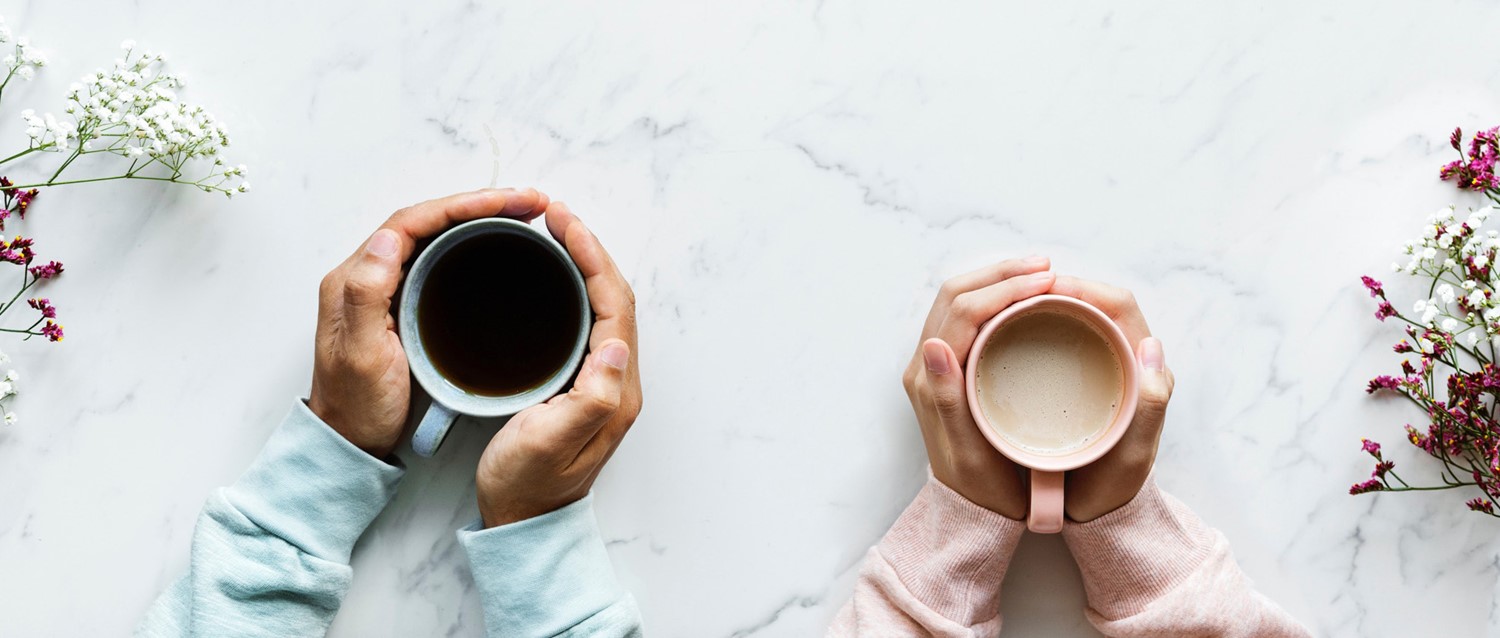
What happens to your body after giving up caffeine?
For many people, caffeine is a staple part of their day. Present in tea, coffee, energy drinks, Coca Cola and even chocolate, the substance is the planet's most popular psychoactive drug. According to the British Coffee Association, Brits alone get through 95 million cups of coffee a day. It almost goes without saying, then, that giving up caffeine can be tough.
by Abi Millar
About the authorView full bio
Updated by

Amberley Davis
Senior writer
BA (Hons), CPD
Amberley is a senior writer with Patient and has written extensively on a range of health and wellbeing topics.
Authored by
Amberley Davis
Senior writer
BA (Hons), CPD
Amberley is a senior writer with Patient and has written extensively on a range of health and wellbeing topics.
About the reviewerView full bio

Dr Krishna Vakharia, MRCGP
Chief Medical Officer for Health, Optum UK
MBChB, MRCGP(2013), BMedSci (hons), DFSRH, DRCOG, PGDipDerm (Distn)
Dr Krishna Vakharia is an NHS GP. She is also a regular examiner for the postgraduate Diploma in Practical Dermatology at Cardiff University as well as being the Chief Medical Officer for health at Optum UK.
Join the conversation
Share your thoughts or experiences with others in our patient communities.

Ask, share, connect.
Browse discussions, ask questions, and share experiences across hundreds of health topics.

Feeling unwell?
Assess your symptoms online for free
Sign up to the Patient newsletter
Your weekly dose of clear, trustworthy health advice - written to help you feel informed, confident and in control.
By subscribing you accept our Privacy Policy. You can unsubscribe at any time. We never sell your data.