Are pesticides harmful to humans?
Peer reviewed by Dr Krishna Vakharia, MRCGPAuthored by Amberley DavisOriginally published 25 Sept 2022
Meets Patient’s editorial guidelines
- DownloadDownload
- Share
- Language
- Discussion
- Audio Version
- Add to preferred sources on Google
We spray pesticides to destroy unwanted pests, but these dangerous chemicals can cause pesticide poisoning when we come into contact with them. Let's take a look at the most common ways pesticides seep into our lives, and what the risks are in the UK.
What are pesticides?
Pesticides are poisons designed to kill pests. A pest could be an insect, other type of animal, or plant that threatens to destroy an agricultural crop, food, or livestock; but a pest could also be an unwanted presence in your home, such as a family of rats in your attic, or weeds in your garden.
The type of pesticide depends on the type of pest. For example:
Herbicides - kill plants.
Insecticides - kill insects.
Rodenticides ('rat poisons') - kill rodents.
Are pesticides harmful to humans?
Unfortunately, it's not just pests that pesticides can harm. Because they are toxic substances, pesticides can have a negative impact on our health - both through us coming into direct contact with them and the indirect effects of environmental damage.
Due to their use in agricultural farming around the world, these substances are sprayed around our environment on a massive scale. Sadly, this also means a large global death toll caused by people coming into direct contact with pesticides each year. In fact, it's thought that over 385 million people suffer with unintentional pesticide poisoning annually, 11,000 of which will die1.
Perhaps even more tragic are the number of people intentionally taking their own lives by ingesting (swallowing) pesticides. According to the Centre for Pesticide Suicide Prevention, a person dies every three minutes from ingesting pesticides, making it one of the most common methods of suicide worldwide2.
Pesticide poisoning symptoms
Acute pesticide poisoning occurs when a single instance of direct exposure to pesticides leads to an adverse reaction within 48 hours. Symptoms range from the uncomfortable to the lethal, depending on the type of pesticide and dosage. They include:
Eye and skin irritation.
Sore throat and/or cough.
Loss of consciousness.
Extreme weakness.
Death.
How can pesticides enter your body?
There are three types of direct pesticide exposure:
Ingestion - traces of pesticides can be on some of the food we eat and in drinking water.
Inhalation - we may also breathe in pesticides if we're close to areas where they have been sprayed.
Dermal - pesticides can be absorbed through the skin or eyes. For people who work with pesticides, this is the most common route of pesticide exposure3.
1. Exposure risk: pesticides on your food
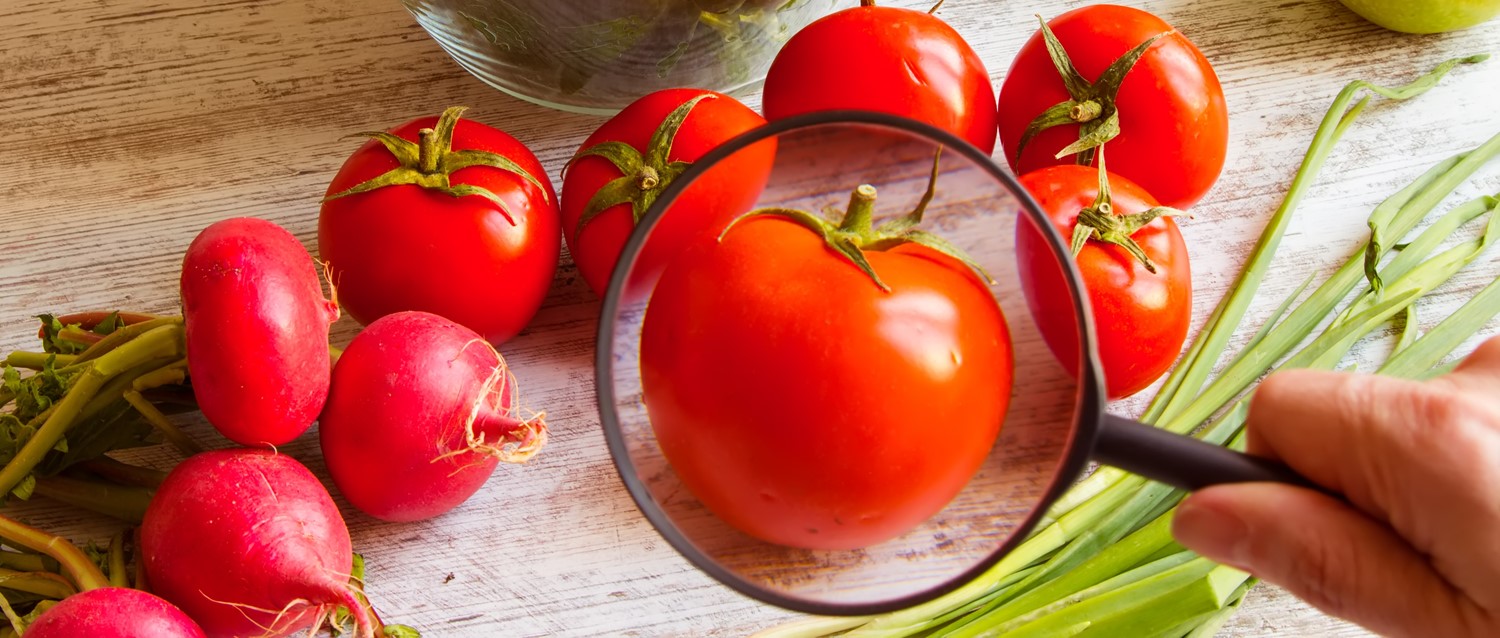
It's easy to forget about the invisible pesticide residues on the fruits and vegetables we eat. What's more, many of us aren't aware that these residues can also be found in many other foods, such as those made with oats, wheat, and barley - all grains grown in a field.
How big is the problem in the UK?
Reema Patel, registered dietitian at Dietitian Fit, highlights that it is still unclear how the level of pesticides found on foods could impact our health in the long term, and that opinions on this matter are mixed and often conflicting:
"Pesticides used on crops are regulated tightly, though some research has shown long-term respiratory4 and endocrine disrupting issues5 with pesticide exposure over time.
"At the same time, research has shown that between 1-3% of fruits and vegetables may contain levels of pesticides that are above the legal safety limit," says Patel. "However, even at these levels, it is unlikely to be enough to cause harm to humans."
Pesticide Action Network (PAN) UK believes the problem to be much greater. According to their analysis of data published by the Expert Committee on Pesticide Residues in Food (PRiF), there are 'unacceptable levels' of pesticides present in the food provided through the Department of Health's School Fruit and Vegetable Scheme (SFVS)6.
PAN warns that:
Traces of 123 different pesticides were found.
Some of the most popular fruits and vegetables in the UK are covered in over 100 pesticides.
In 2019, 94% of oats had traces of more than one pesticide.
How to remove pesticides from fruit and vegetables
"If you are concerned about pesticides on fruits and vegetables, ensure that these are washed well in cold water before consumption," advises Patel. "Cooking (blanching or boiling) will further lower pesticide residue, as well as peeling fruits and vegetables."
This will reduce exposure and pesticide poisoning, but it's worth noting that many pesticides are applied to seeds, soil, and leaves. This means that they're absorbed and contained within the body of the food itself. However, the benefits definitely outweigh the risks of healthy eating:
"Overall, there is a large body of evidence that shows the strong benefits of fruit and vegetable consumption, so please do not avoid eating them due to fear of pesticide exposure!"
2. Exposure risk: pesticides in your surroundings
As pesticides are applied as sprays, these tiny particles can drift in the air we breathe. It's possible that you can inhale low levels while enjoying a walk near agricultural farmland. Indeed, inhalation could also occur in your own garden or home while using weed killer (a herbicide called glyphosate) or rat poison (a rodenticide called bromadiolone).
How big is the problem in the UK?
This kind of pesticide exposure is relatively low-risk for everyone who isn't a farmer working with these substances regularly. As with pesticide residue on food, occasional inhalation from your surroundings is at far too low a level to risk pesticide poisoning.
There is also no evidence to suggest that this kind of low-level occasional exposure increases your risk of serious illnesses like cancer. In fact, Cancer Research UK encourages people not to worry about using glyphosate as a weedkiller7.
Those with asthma may find that inhaling pesticides causes their symptoms to flare up. There is also some evidence to suggest that certain people have a higher intolerance to chemicals such as pesticides, and that low-level exposure can cause wheezing, shortness of breath, and chest tightness8.
How to use pesticides responsibly at home
Patel has the following advice:
Closely follow the instructions on the label.
Cover up any areas that may be exposed while using the product - specifically the hands and forearms.
Practise caution with these products.
Consider any children and animals that could gain access to the pesticides.
3. Exposure risk: farming with pesticides
Farmers who regularly spray pesticides are by far the greatest risk group for exposure through ingestion, inhalation, and dermal contact. Because they work with high doses of pesticides, pesticide poisoning is a real danger. Worldwide, it's estimated that 385 million farmers experience pesticide poisoning every year1.
How big is the problem in the UK?
Each UK country monitors the use of pesticides in its agricultural and horticultural sectors. While there are strict guidelines in place to minimise the occupational health risks, the use is widespread - 70% of UK land area is agricultural, three quarters of which are thought to be at risk of pesticide pollution9.
As a result, unintentional pesticide poisoning does occur. In 2019-2020, 712 cases of unintentional acute pesticide poisoning were reported in the UK10.
How to use pesticides responsibly at work
If you're a farmer who works with pesticides, you should follow the Department of Agriculture, Environment and Rural Affairs guidance on using pesticides11. Health risks can be minimised by:
The use of personal protective equipment (PPE).
Required professional training.
More precise and targeted application methods.
Improvements in spraying equipment.
It's important only to purchase pesticides that have been authorised for use in the UK. These products will have a MAFF, MAPP or HSE approval number on the label. A list of authorised products can be found on HSE's website12.
Fertility, pregnancy, and children
Fertility and pregnancy risks:
High levels of pesticide toxins can also have adverse health effects on sexual function and fertility in adults, including higher-risk infertility.
Constant and repeated prenatal exposure to pesticides may affect an unborn child. This could lead to birth defects or even death.
Children may be more vulnerable to pesticides because:
They absorb pesticides more easily through their skin.
The systems that our bodies use to deal with harmful substances are less well developed in children. This makes them less able to cope with pesticide poisoning.
Further reading
Canadian Centre for Occupational Health and Safety, "Pesticides - health effects".
Ye et al. "Occupational pesticide exposures and respiratory health".
Cancer Research UK, "Can pesticides or herbicides cause cancer?".
Amaral, "Pesticides and asthma: challenges for epidemiology".
Public Health England, "National Poisons Information Service Report 2019/20".
Department of Agriculture, Environmental and Rural Affairs "Guidance on the use of pesticides".
Patient picks for Environmental conditions

General health and lifestyle
How to help your baby sleep safely in hot weather
Getting your baby to sleep at night - and struggling with the inevitable exhaustion when they don’t sleep - is often one of the most difficult parts of being a parent. And when it’s hot outside, it can be even harder to get your child to sleep well. Keeping them cool during a heatwave can be challenging, but here are some tips you can try to make it easier.
by Lydia Smith

General health and lifestyle
UK water quality part 1 – is tap water safe?
We drink it every day, and sometimes we swim in it. Access to clean water is a fundamental human right, but growing concerns over sewage pollution have shone a spotlight on UK water. From impurities in drinking water to pollutants in our rivers and seas, we find out how the UK cleans up. In part 1 of this series, we start in the home and explore the potential safety concerns of our tap water.
by Amberley Davis
About the authorView full bio
Authored by

Amberley Davis
Senior writer
BA (Hons), CPD
Amberley is a senior writer with Patient and has written extensively on a range of health and wellbeing topics.
About the reviewerView full bio

Dr Krishna Vakharia, MRCGP
Chief Medical Officer for Health, Optum UK
MBChB, MRCGP(2013), BMedSci (hons), DFSRH, DRCOG, PGDipDerm (Distn)
Dr Krishna Vakharia is an NHS GP. She is also a regular examiner for the postgraduate Diploma in Practical Dermatology at Cardiff University as well as being the Chief Medical Officer for health at Optum UK.
Article history
Article also available in English, German, Spanish, French, Italian, Portuguese, Hindi, Hebrew, Arabic, and Swedish.
25 Sept 2022 | Originally published
Authored by:
Amberley DavisPeer reviewed by
Dr Krishna Vakharia, MRCGP
Join the conversation
Share your thoughts or experiences with others in our patient communities.

Ask, share, connect.
Browse discussions, ask questions, and share experiences across hundreds of health topics.

Feeling unwell?
Assess your symptoms online for free
Sign up to the Patient newsletter
Your weekly dose of clear, trustworthy health advice - written to help you feel informed, confident and in control.
By subscribing you accept our Privacy Policy. You can unsubscribe at any time. We never sell your data.