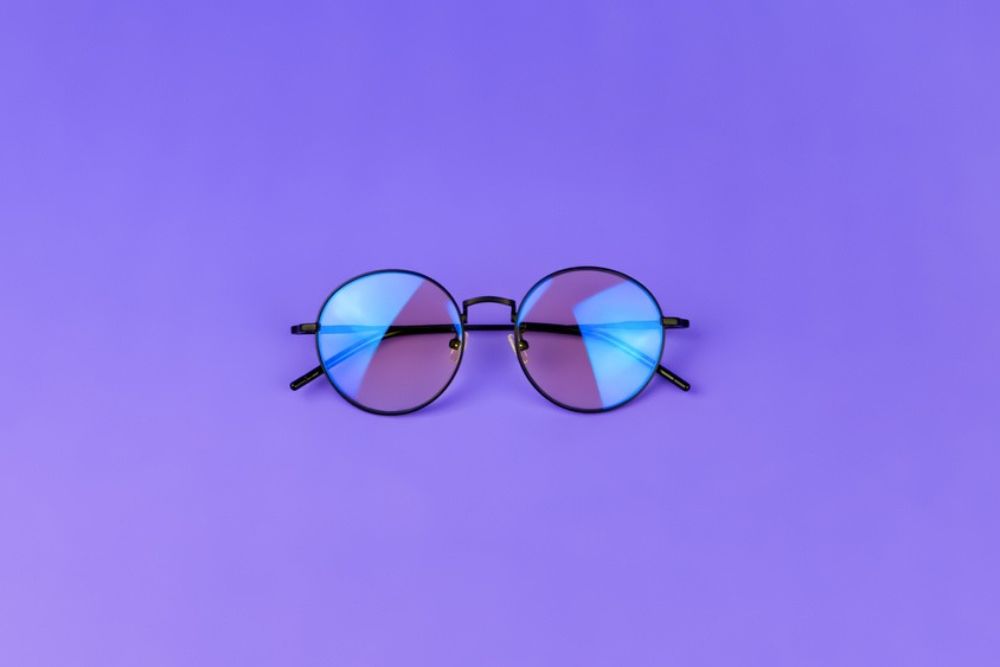
مرشحات الضوء الأزرق: هل تعمل حقًا؟
مراجعة من قبل الدكتور كولين تايدي، MRCGPآخر تحديث بواسطة Lynn Stephenآخر تحديث ١٥ أكتوبر ٢٠٢٦
يتوافق مع الإرشادات التحريرية
- تنزيلتنزيل
- مشاركة
- Language
- نقاش
- Ask Patient
- نسخة صوتية
- أضف إلى المصادر المفضلة على جوجل
Most of us spend several hours looking at digital screens every day, all of which emit varying levels of blue light. There's debate about the damage and effects blue light has on our vision and health, and if blue light filters help.
We investigate the science to find out.
What is blue light?
Around one-third of all the light you see is blue light, with sunlight being the main source. Blue light is also known as high-energy visible (HEV) light.
Unlike other types of light, your eyes cannot filter it on their own. This means blue light can reach your retina without restriction.
The most common sources of artificial blue light are:
Flat-screen LED televisions.
Fluorescent lights.
LEDs.
Compact fluorescent light (CFL) bulbs.
Smartphones.
Computer screens.
أقراص.
What is a blue light filter?
A blue light filter is designed to protect your eyes from any harmful effects of blue lights.
People spend around seven hours a day looking at digital screens. As this has raised safety concerns, blue light filters are now commonplace across a range of products to increase safety for long-term use - they can be used on everything from phones to blue light blocking sunglasses.
How does blue light affect your eyes?
Potential damage to the retina
Studies show that high levels of blue light, over prolonged periods, have the potential to damage the retina - and that blue light blocking glasses could help prevent up to 80% of this damage.1 An injured retina can lead to vision loss and distortion.
But when it comes to a smaller amount of blue light, it's less about eye damage and more about how it affects your body.
Eye strain
One of the most common issues people have with looking at screens a lot is digital eye strain. This happens because you blink less when looking at screens, which reduces the amount of moisture in your eyes.
Symptoms of digital eye strain include جفاف العينين, الصداع, الغثيان, neck pain, and more. This is often mistaken for the effects of blue light. At present, there's no evidence that blue light filters can help prevent or ease digital eye strain.2
If you experience symptoms of digital eye strain, the following may help:
Adjust your screen's brightness.
Eliminate screen glare.
Ensure your screen isn't brighter than the other lighting in the room.
Use filters to adjust colour warmth throughout the day, as this reduces eye strain in the evening.
Don't sit too close to the screen.
Benefits of blue light filters
Blue light can cause retinal damage, but the evidence for this involves extreme exposure over consistent and long periods.3
In truth, the effects of day-to-day blue light exposure are not yet fully understood - and we don't yet know how beneficial blue light filters are.
Bhavin Shah is a behavioural optometrist at Central Vision Opticians, London. He says that the evidence for blue light filters is inconclusive, and instead opts for a spectral filter on his personal sunglasses.
"This filters out more than blue in the spectrum of light and makes my eyes more comfortable when I'm driving in overcast weather," he explains.
Improved sleep
Blue light exposure affects your circadian rhythm - your body's internal clock.3 Light is critical for how it behaves and adjusts to environmental factors - for example, day and night. This is why too much exposure to artificial light before bedtime, such as blue light from a screen, can make it hard to fall asleep.
Blue light stimulates your eyes and brain, sending signals to your body's internal clock. This in turn affects how your body produces melatonin - the sleep-inducing hormone. So, if you find yourself scrolling through your phone or watch TV before bed to wind down at bedtime, you're actually making your body more alert.
Reducing or cutting out screen time before bed is beneficial for improved sleep and a healthy sleep pattern. For screen-time you do have, blue light filters can help limit blue light exposure.
اختيارات المرضى لـ عبر الإنترنت ووسائل التواصل الاجتماعي
الحياة الصحية
التصفح المستمر للأخبار السيئة: هل الأخبار تضر بصحتك النفسية؟
مشاهدة الأخبار خلال الأوقات العصيبة يمكن أن تؤثر سلبًا على صحتنا النفسية. عندما تحدث أحداث عالمية كبيرة، قد نجد أنفسنا مدمنين على متابعة الأخبار ونشعر بأننا بحاجة لمعرفة كل شيء، ولكن هذا السلوك، المعروف باسم التمرير الكارثي، يمكن أن يكون ضارًا بصحتنا النفسية.
بقلم إميلي جين باشفورث

الحياة الصحية
هل وسائل التواصل الاجتماعي تسبب الإدمان؟
This year, the news has been reporting extensively on the bellwether trials involving Meta, its CEO, Mark Zuckerberg, and several of the world’s most influential companies behind the rise of social media platforms. These trials are expected to develop further in the coming months. However, the case currently attracting the most attention revolves around a crucial question: Is social media addictive? To explore this issue further, we spoke with a neurologist to find out if social media is genuinely addictive and how its use may affect your brain.
بقلم فيكتوريا راو
قراءة إضافية ومراجع
- Theruveethi N, Bui BV, Joshi MB, et al; Blue Light-Induced Retinal Neuronal Injury and Amelioration by Commercially Available Blue Light-Blocking Lenses. Life (Basel). 2022 Feb 7;12(2):243. doi: 10.3390/life12020243.
- Singh et al.; Do Blue-blocking Lenses Reduce Eye Strain From Extended Screen Time? A Double-Masked Randomized Controlled Trial; American Journal of Ophthalmology
- Yvan Touitou; Effects and mechanisms of action of light-emitting diodes on the human retina and internal clock
عن المؤلفعرض السيرة الذاتية الكاملة
تم التحديث بواسطة

لين ستيفن
مطوّرة محتوى
ماجستير مع مرتبة الشرف
Lynn joined Patient in 2023 and her role includes checking all the professional leaflets, patient information leaflets and medicine leaflets, to ensure consistency of spelling, grammar, reference material and brand style, working with the medical authors and clinical director to coordinate the authoring and peer reviewing of the leaflets.
كتبه
مات بيني
كاتب مميز
بكالوريوس في الإعلام التطبيقي
حول المراجععرض السيرة الذاتية الكاملة

الدكتور كولين تايدي، MRCGP
طبيب عام، مؤلف طبي
MBBS, MRCGP, MRCP (Paediatrics), DCH
الدكتور كولين تايدي هو طبيب في هيئة الخدمات الصحية الوطنية، ويعمل في أوكسفوردشاير.
تاريخ المقال
المقال متاح أيضًا باللغة الإنجليزية, الألمانية, إسبانية, الفرنسية, إيطالي, البرتغالية, الهندية, العبرية, العربية ,، و السويدية.
Next review due: 14 Oct 2029
١٥ أكتوبر ٢٠٢٦ | أحدث إصدار
3 يوليو 2023 | نُشر في الأصل
كتبه:
مات بيني
شارك أفكارك أو تجاربك مع الآخرين في مجتمعات المرضى.
وصول بسيط إلى العلاجات والخدمات الصحية الموثوقة عبر الإنترنت.
Common conditions
Get help with common conditions through the NHS, without a GP appointment.
 التهاب الجيوب الأنفية الحاد
 التهاب اللوزتين البكتيري
 القوباء
 لدغات الحشرات
 الحزام الناريعدوى المسالك البولية
اشترك في النشرة الإخبارية للمرضى
جرعتك الأسبوعية من النصائح الصحية الواضحة والموثوقة - مكتوبة لمساعدتك على الشعور بالاطلاع والثقة والتحكم.
من خلال الاشتراك، فإنك تقبل سياسة الخصوصية. يمكنك إلغاء الاشتراك في أي وقت. نحن لا نبيع بياناتك أبدًا.