Gratification snoozing: the viral sleep trend that could be making you more tired
Peer reviewed by Dr Colin Tidy, MRCGPAuthored by Victoria RawOriginally published 10 Aug 2026
Meets Patient’s editorial guidelines
- DownloadDownload
- Share
- Language
- Discussion
- Audio Version
- Add to preferred sources on Google
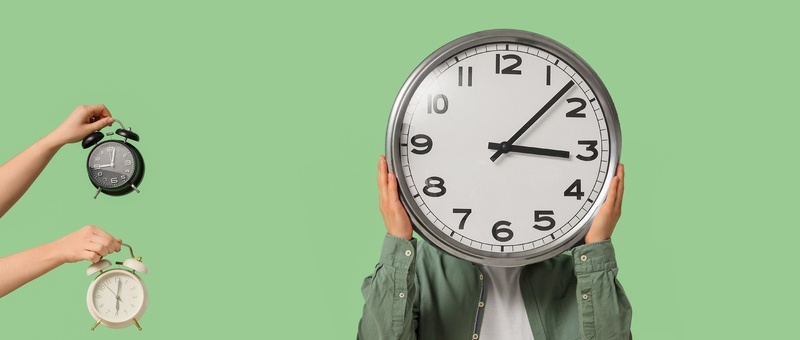
Getting enough quality sleep is one of the best things you can do for your health. So naturally, social media has found a way to interfere with it. The latest viral craze, ‘gratification snoozing’, involves setting multiple alarms throughout the night so you can enjoy the feeling of falling back asleep.
But while it may sound satisfying, this trend could be doing more harm than good. Here’s why experts say gratification snoozing isn’t the sleep hack it’s claimed to be - and what you should do instead to wake up feeling genuinely refreshed.
What is gratification snoozing - and why is it trending?
It's widely accepted by health professionals that regularly disrupted sleep can have a negative influence on your health. That's why the current TikTok ‘sleep hack’ is particularly damaging - not just for your sleep, but for your overall wellbeing.
Known as ‘gratification snoozing’, this trend encourages people to set multiple alarms throughout the night so they can wake up, realise they still have hours before they need to get up, and enjoy drifting back to sleep.
While most of us know the pleasure of waking naturally and discovering we have a little longer to sleep, deliberately interrupting your rest several times a night is far from beneficial. Instead of helping you feel more rested, it disrupts your sleep cycle and can leave you feeling more tired the next day.
Dr Jeff Foster, NHS GP Partner and Medical Director at Voy, UK, explains that although the feeling of going back to sleep may feel satisfying, deliberately waking yourself up in the middle of the night is unlikely to improve the quality of your sleep.
“Sleep is made up of different stages, and if it is broken, it can affect how rested you feel,” he says. “Deep, restorative sleep is important for many processes in the body - including hormone production and other health conditions - so having a consistent sleep routine is key.”
Dr Jeff Foster

Why quality sleep matters for your health
A good night’s sleep plays a vital role in supporting your overall health, alongside healthy eating and regular physical activity.
However, recent YouGov data shows that almost 70% of people say they often wake up feeling tired. Foster highlights that tiredness accounts for up to 10% of health appointments in the UK, with many people seeking advice on how to overcome it.
He explains that tiredness can be caused by a range of factors - including busy lifestyles, underlying health conditions, and, of course, poor sleep quality.
“The best approach is to improve the areas of your lifestyle that you can control,” says Foster. “We suggest speaking to a doctor if your tiredness is persistent, unexplained, or affecting your everyday life.”
How to improve your sleep and reduce tiredness
While your sleep routine can have a significant impact on how tired you feel, several other lifestyle changes can help improve your energy levels throughout the day. Rather than relying on habits such as ‘gratification snoozing’ to create the feeling that you are getting extra rest, it’s important to focus on improving the quality of your sleep and addressing the factors that may be contributing to fatigue.
Foster shares four practical tips to help reduce tiredness and support healthier, more restorative sleep.
Create a consistent sleep routine
While most adults need between six and eight hours of sleep each night, it’s not just about how long you sleep - the quality of that sleep also plays a crucial role in your wellbeing.
Foster says: “My number one tip is to try and go to bed at a consistent time each night and wake up at a similar time each day.
“While a lie-in may feel like the perfect way to recover from a busy week, it can actually affect your sleep quality and leave you feeling more tired.”
Support your sleep with a balanced diet
There is a strong connection between your diet and the quality of your sleep. Eating foods high in simple sugars can cause a quick spike in blood sugar, followed by a crash that may leave you feeling fatigued and lacking energy.
Foster says: “Carbohydrates provide a quick boost of energy - however, this isn't long-lasting. We recommend a diet containing more fibre and protein.
“This can help provide more stable energy levels throughout the day.”
Stay active to boost your energy
Exercise might leave you feeling tired in the moment, but staying active can improve your overall energy levels and make everyday tasks feel easier.
Foster says: “When you feel tired, it can be tempting to do nothing, but even a walk or some light activity can be beneficial.
“You don't need to complete an intense workout every time - the important thing is to avoid spending all day sitting down.”
Make time to switch off and manage stress
Stress is one of the key factors that can leave you feeling tired, especially when it becomes a long-term issue. In a world where we are always connected to our phones, emails, social media, and work, it can be harder than ever to truly switch off and recharge.
Foster says: “Being in a constant state of stress can keep your body in a prolonged fight-or-flight response, which is incredibly draining.
“Finding ways to switch off and creating time away from work and technology can help. Social connection or interactions are also extremely important, because feeling isolated or unsupported can have a significant impact on your overall energy.”
Don’t rely on viral sleep hacks
Following clinical advice on improving sleep habits is essential for supporting long-term wellbeing, rather than relying on viral online trends such as ‘gratitude snoozing’. While it may seem like an appealing way to make sleep feel more enjoyable, it could actually be counterproductive.
If you find yourself setting alarms throughout the night simply to experience the relief of knowing you can go back to sleep, it may be a sign that there are deeper issues affecting your sleep quality.
By following the guidance above and making positive lifestyle changes, you can take steps towards improving your sleep. As Foster advises, if tiredness persists or continues to affect your daily life, it’s important to book an appointment with your doctor to discuss further support and potential next steps.
Patient picks for Sleep and insomnia

Healthy living
How to fall asleep fast: 5 simple methods for speedy sleep
If you're struggling to sleep, you're not alone. Here are some popular methods to help you unwind and snooze off faster.
by Victoria Raw
Healthy living
Good sleep matters: it isn't just about clocking hours
Healthy sleep isn't just about quantity, getting enough quality sleep is essential for your overall well-being - and it plays a vital role in your heart health too. We look at the research which shows how your sleep can influence your cardiovascular and metabolic health.
by Lawrence Higgins
About the authorView full bio
Authored by

Victoria Raw
Feature Writer
BA (Hons), English Literature
Victoria is a content writer at Patient, with special interests spanning mental wellbeing, societal trends and the impact of technology on our health.
About the reviewerView full bio

Dr Colin Tidy, MRCGP
General Practitioner, Medical Author
MBBS, MRCGP, MRCP (Paediatrics), DCH
Dr Colin Tidy is an NHS Doctor, based in Oxfordshire.
Article history
Article also available in English, German, Spanish, French, Italian, Portuguese, Hindi, Hebrew, Arabic, and Swedish.
Next review due: 10 Aug 2029
10 Aug 2026 | Originally published
Authored by:
Victoria RawPeer reviewed by
Dr Colin Tidy, MRCGP
Join the conversation
Share your thoughts or experiences with others in our patient communities.

Ask, share, connect.
Browse discussions, ask questions, and share experiences across hundreds of health topics.

Feeling unwell?
Assess your symptoms online for free
Sign up to the Patient newsletter
Your weekly dose of clear, trustworthy health advice - written to help you feel informed, confident and in control.
By subscribing you accept our Privacy Policy. You can unsubscribe at any time. We never sell your data.