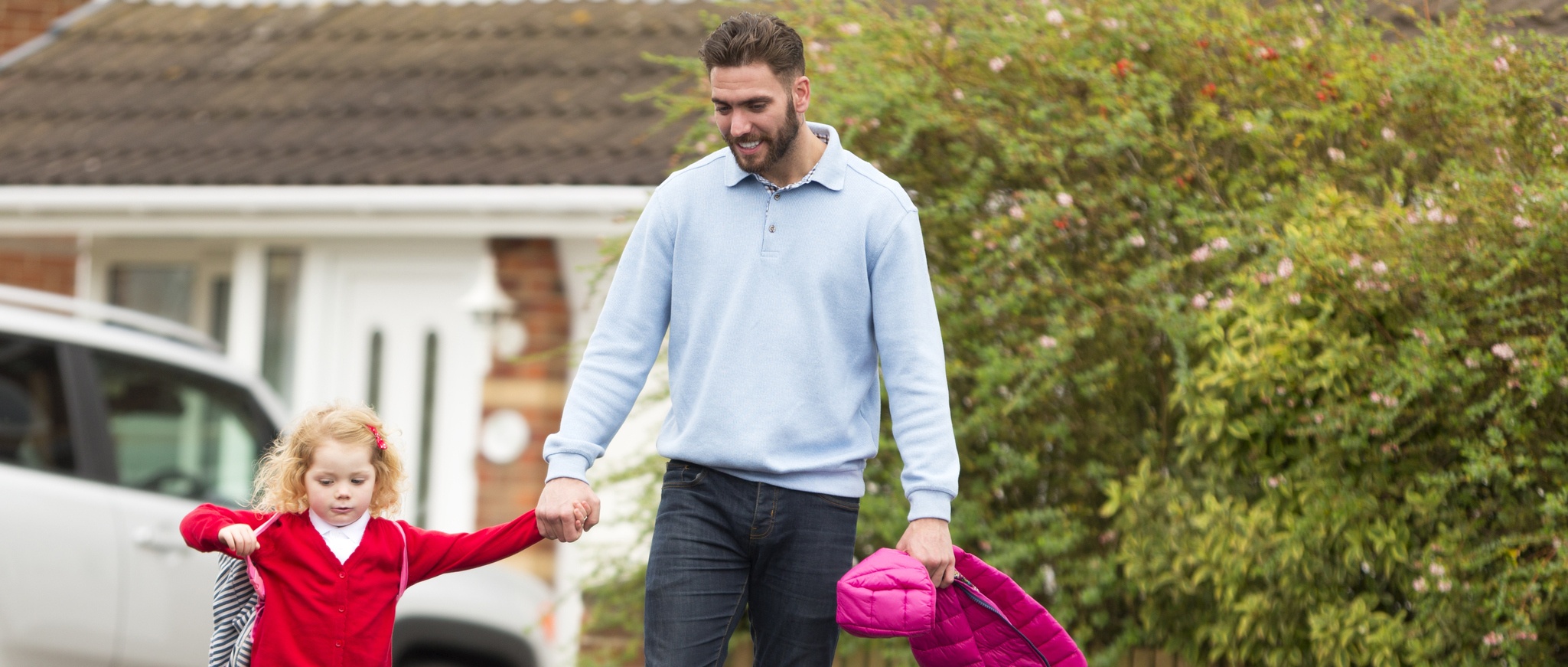
How to get your child the right support at school
Peer reviewed by Dr Sarah JarvisAuthored by Gillian HarveyOriginally published 30 Oct 2021
Meets Patient’s editorial guidelines
- DownloadDownload
- Share
- Language
- Discussion
- Audio Version
- Add to preferred sources on Google
Many pupils will need extra help or reassurance at times, particularly during their first term somewhere new. And some may require additional emotional or physical support to help them flourish in the school environment.
Everyday worries
The first term back at school is often nerve-wracking for parents and pupils alike. Any concerns parents or children may have about school life may well have been exacerbated by the disruption to education caused by the COVID-19 pandemic over the past eighteen months.
Almost all children worry about some aspect of school at some time or other. "Children worry about feeling inadequate, invisible or alone," explains Dr Sharie Coombes, child and family psychotherapist and author. "They also worry about not knowing what to do, getting lost or left behind; or not knowing what to do if they need the toilet or where to go for lunch."
For these minor, everyday worries, it may be sufficient for parents simply to provide reassurance and advice. "It's a good idea to remind them that all the children will be feeling the same, and to reassure them that the staff will be able to help them with the information they need," advises Coombes. You may also wish to talk to their form tutor, if you feel further reassurance or vigilance is required.
Additional difficulties
While nearly all children will experience some anxiety and nervousness around issues at school at some point, it's important to recognise when your child might need additional help with their mental health.
Signs that your child is starting to struggle emotionally may include "a decline in self-esteem and confidence, a loss of previous resilience to challenges, more tearfulness or irritability," explains Coombes. Physical signs may also sometimes be an indicator of emotional problems or excess stress. These may include: "complaints of tummy aches, headaches or feeling exhausted and avoidance of previously enjoyed activities."
In addition, your child may have a pre-existing or developing physical health problem that requires support at school.
Mental health support
If you feel your child would benefit from additional emotional support, it's worth finding out whether your school has a dedicated counsellor. An estimated 84% of secondary schools and 56% of primary schools now provide counselling, and this type of support can be invaluable in the school environment. If your school doesn't currently have a counsellor, you may need to speak to your GP or - if you are able to - may decide to pay for private counselling.
If you are unsure as to what to do, the organisation YoungMinds is a great place to seek help and advice for supporting your child's mental health at school.
Physical health
If your child has a physical health problem that will require additional support or understanding, it's important to inform the school as soon as possible.
Your school should have procedures and policies in place to manage and support children with health conditions, both short and long term. Depending on where your child's school is in the UK, they may have to adhere to specific legislation (such as the guidance 'Supporting Children with Medical Conditions in Schools' in England). Regardless of location, all schools should have a system through which support can be provided. Your child may be issued with a personal plan to help ensure they have the best possible experience at school.
As well as offering the required physical support, your school should also take steps to educate staff on your child's condition if necessary, so that staff are aware of the ways in which the condition may affect your child's learning and behaviour.
First contact
The first port of call in your child's school is usually their form tutor or class teacher. The form tutor will have an oversight of your child's school experience and will be able to speak to other members of staff on your behalf. If you speak to your child's form teacher and feel the issue has not been resolved, try contacting the child's Head of Year, who will be able to look into any issues for you.
Your school should also have policies on how to support children's mental and physical health, and you should be able to request a copy of these to familiarise yourself with agreed procedures.
Next steps
If you feel that the school has not provided adequate provision for your child, try contacting a more senior member of staff - the deputy or head teacher. If you are still concerned, it's worth contacting the school governors or, if you are still having issues, the Local Education Authority.
When a child is struggling, it can be extremely worrying for parents. But the majority of schools will be well-versed in helping children with a variety of different health conditions. So if your child has additional needs, or you are worried about any aspect of their health, communication is key.
Patient picks for Parenting

Healthy living
How to talk to your kids about sex, porn and healthy relationships
Parents expect to have tricky conversations with their kids, whether it's 'where babies come from' or how to navigate a safe, sexual relationship as a young adult. But with children exposed to online pornography at an increasingly early age, parents are having to grapple with discussions about what their kids have clicked on and seen. Talking about porn and what a healthy relationship looks like isn't always easy but it is important - because the cost of staying quiet can be high.
by Lydia Smith
Healthy living
8-Week Healthy Baby Course
We're excited to launch our new 8-Week Healthy Baby Course. Each week we focus on key topics such as sleep, bonding with your baby, breastfeeding, teething, and weaning. Join us for practical advice and useful tips to help support the health and wellbeing of both you and your baby.
by Lynn Stephen
About the authorView full bio

Gillian Harvey
Freelance Writer
BA (Hons) English
Gillian is a freelance writer and columnist for a variety of national newspapers and magazines.
About the reviewerView full bio

Dr Sarah Jarvis
Clinical Consultant
MA (Cantab), BM, BCh (Oxon), DRCOG, FRCGP, MBE
After training in medicine at Cambridge and Oxford, Dr Sarah Jarvis MBE became a GP.
Article history
Article also available in English, German, Spanish, French, Italian, Portuguese, Hindi, Hebrew, Arabic, and Swedish.
30 Oct 2021 | Originally published
Authored by:
Gillian HarveyPeer reviewed by
Dr Sarah Jarvis
Join the conversation
Share your thoughts or experiences with others in our patient communities.

Ask, share, connect.
Browse discussions, ask questions, and share experiences across hundreds of health topics.

Feeling unwell?
Assess your symptoms online for free
Sign up to the Patient newsletter
Your weekly dose of clear, trustworthy health advice - written to help you feel informed, confident and in control.
By subscribing you accept our Privacy Policy. You can unsubscribe at any time. We never sell your data.
More in healthy living
- Can antidepressants cause vivid dreams?
- Can hypnotherapy help insomnia?
- Can spending time in nature benefit your mental health?
- Debunking gay men stereotypes and myths
- Half of smokers would quit if they were paid to do so
- HIIT or weights: which is best for weight loss?
- How to look after your liver during freshers’ week
- How to look after your mental health this winter
- How to spot the signs of an exercise addiction
- Let’s talk about dating app burnout
- LGBTQI+: what are the barriers and challenges in end of life care?
- Mounjaro weight loss injections: FAQs
- New campaign helps people with chronic conditions get active
- One in five hospital patients have a problem with alcohol
- The health benefits of stretching every day
- The truth about vaping
- What are the health benefits of yoga?
- Why going bald can seriously affect your mental health
- Young people who seek mental health support forced to cope on their own