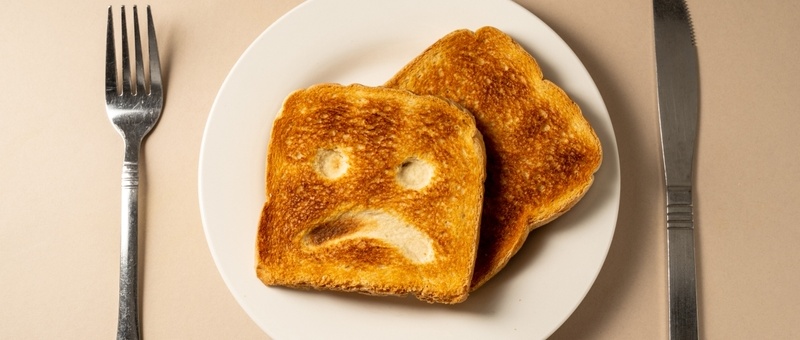
Trouble sleeping? The culprit may be something you ate
Peer reviewed by American Heart Association Authored by Laura WilliamsonOriginally published 13 Aug 2025
Meets Patient’s editorial guidelines
- DownloadDownload
- Share
- Language
- Discussion
- Audio Version
- Add to preferred sources on Google
Can't sleep at night? Researchers say the reason - and the solution - could be lurking in your kitchen. The ingredients for poor sleep can be found in every meal, and the less you sleep, the more likely you may be to consume them.
How does food influence sleep?
It's a cycle," says Dr Marie-Pierre St-Onge, an associate professor of nutritional medicine in the division of general medicine at Columbia University in New York City, USA. "How you sleep at night influences what you eat during the day, and what you eat during the day influences how you sleep at night."
Average sleep duration has been shrinking over the past several decades, alongside the rise in obesity and diabetes. This led St-Onge and her colleagues to investigate how diet and meal composition might be affecting sleep. They were particularly interested in the role carbohydrates - which affect blood glucose levels - might play.
Eating carbohydrates makes blood glucose, or blood sugar, rise. But how much and how fast differs by the type of carbohydrate.
The glycaemic index was created to measure how much a food boosts blood glucose levels. Foods with a high glycaemic index are digested faster and cause spikes in blood sugar and insulin, a hormone that regulates blood sugar in the body. Those lower on the glycaemic index are digested more slowly and have a smaller impact on blood sugar levels.
Foods low on the glycaemic index include many that promote cardiovascular health. These include:
Certain fruits such as apples and oranges.
Vegetables.
Minimally processed grains such as barley and quinoa.
Beans.
Low-fat dairy.
Nuts.
Examples of foods that lower cardiovascular health and also are high on the glycaemic index include:
White bread.
Rice cakes.
Crackers.
Bagels.
Donuts.
Many packaged breakfast cereals.
Baked potatoes.
Corn.
In a 2020 study in the American Journal of Clinical Nutrition1, St-Onge and her colleagues showed eating a high glycaemic index diet could increase the likelihood of insomnia in postmenopausal women. A 2020 analysis of 24 studies in the Journal of Human Nutrition and Dietetics2 found sleeping 5.5 hours or less per night was linked to eating more food overall, with a higher intake of the macronutrients - fat, protein and, carbohydrates - that together make up total calorie consumption.
Research has found for years that when people get less sleep, they tend to eat more calories and fat, offering a potential explanation for the link between short sleep and a higher risk for obesity. Even mild sleep deprivation has been linked to poor food choices among children, who overeat when tired.
St-Onge, author of "Eat Better, Sleep Better," says it's likely because not getting enough sleep can alter the brain's response to food. Some of her earlier work, including a 2012 study in the journal Sleep3, found that shorter sleep duration influenced hormone production and did so differently for men and women. Among men, getting less sleep increased levels of ghrelin, the hormone that controls hunger. Among women, it altered levels of GLP-1, reducing satiety, meaning women felt less full after eating.
What foods should you eat if you want to sleep better?
You should eat a healthy diet throughout the day to have healthy sleep at night," St-Onge says. "Legumes and whole grains are particularly good at being protective against sleep disorders."
Studies show adherence to the Mediterranean-style eating pattern, associated with better cardiovascular health, can also be good for better sleep.
In addition to legumes and whole grains, the Mediterranean-style diet includes a focus on fruits and vegetables, low-fat dairy, lean meats and fish, as well as cooking with olive oil.
A 2018 study4 in Sleep found people who stuck to a Mediterranean diet were less likely to have insomnia and more likely to get adequate sleep. A 2020 study5 in the journal Nutrients that looked at diet and sleep among women found better adherence to the Mediterranean diet - especially fruits, vegetables and legumes - was linked to better sleep quality or fewer sleep disturbances.
"Relatively speaking, the same foods that are good for metabolic health are good for promoting good sleep," says Dr Maya Vadiveloo, an associate professor in the department of nutrition at the University of Rhode Island College of Health Sciences in Kingston, USA.
Of course, diet isn't the only factor affecting sleep, says Vadiveloo. "There are a lot of reasons people have trouble sleeping."
Stress, a noisy environment, not getting enough physical activity during the day and exposure to light from devices such as mobile phones, laptops and tablets are among the factors that can disrupt sleep, she says.
Other diet-related factors, such as eating too late at night or consuming spicy or citric foods that increase acid reflux, can also disrupt sleep, Vadiveloo says.
"Any type of discomfort is going to disrupt your sleep." But those factors differ from person to person, she says. "It's not a one-size-fits-all approach."
Suggestions for better sleep
Vadiveloo suggests keeping a food-and-mood log to help people identify what works and what doesn't to improve the quality and quantity of their sleep.
"Notice the connections between when you feel stressed and what you ate," she says. "What did you eat on nights you felt well rested? What about when it took a long time to fall asleep, or you woke up a lot during the night? Track this over time and notice the patterns."
This article is published with kind permission of the American Heart Association, which has been striving to save and improve lives for more than 100 years.
References
Patient picks for Sleep and insomnia
General health and lifestyle
How to sleep better in the heat
It can feel impossible to get a good night’s sleep when it's hot. You can't get comfortable when you're too hot, which can make you feel even more tired and lethargic the next day. So how can you sleep better when the temperature soars?
by Lawrence Higgins
Healthy living
How to improve your sleep behaviour
Sleep is important for our wellbeing, and a lack of shut-eye can affect everything from performance at work to immune function. As one in five of us aren't getting enough sleep, we explore the best ways to improve sleep behaviour.
by Victoria Raw
About the authorView full bio

Laura Williamson
Laura Williamson is a writer at the American heart Association.
About the reviewerView full bio
American Heart Association
Article history
Article also available in English, German, Spanish, French, Italian, Portuguese, Hindi, Hebrew, Arabic, and Swedish.
Next review due: 13 Aug 2028
13 Aug 2025 | Originally published
Authored by:
Laura WilliamsonPeer reviewed by
American Heart Association
Join the conversation
Share your thoughts or experiences with others in our patient communities.

Ask, share, connect.
Browse discussions, ask questions, and share experiences across hundreds of health topics.

Feeling unwell?
Assess your symptoms online for free
Sign up to the Patient newsletter
Your weekly dose of clear, trustworthy health advice - written to help you feel informed, confident and in control.
By subscribing you accept our Privacy Policy. You can unsubscribe at any time. We never sell your data.
More in healthy living
- Does alcohol cause cancer?
- Domestic abuse survivors more likely to develop serious mental illness
- E-cigarettes could be prescribed on the NHS in world first
- How to control your drinking at a work Christmas party
- How to have great sex in later life
- How to look after your mental health at university
- How to lower your BMI and lose weight healthily
- How to resist the toughest cigarette cravings
- How to spot the warning signs of domestic abuse
- UpdatedHow to strengthen your core
- Insomnia linked to increased risk of heart disease and stroke
- Is running bad for your knees?
- Nurturing intimacy: 6 tips for long-term relationships
- Switch off TV in the bedroom to avoid weight gain
- Tips for a healthier online life
- What are the benefits of postnatal Pilates?
- What to do if you're questioning your sexuality
- UpdatedWhat your waist measurement says about your health
- Why our brains are hooked on bad news