كيف يمكن للنظام الغذائي أن يقلل من خطر الإصابة بالسكتة الدماغية والنوبة القلبية
مراجعة من قبل الدكتور كولين تايدي، MRCGPكتبه الدكتورة سارة جارفيسنُشر في الأصل 30 Sept 2020
يتوافق مع الإرشادات التحريرية
- تنزيلتنزيل
- مشاركة
- Language
- نقاش
- Ask Patient
- نسخة صوتية
- أضف إلى المصادر المفضلة على جوجل
Heart attack and stroke between them are still the biggest killers in the UK, and diet has a huge influence on your risk of both. Fortunately the same changes to your diet will cut your risk of both conditions, whether you've had a heart attack/stroke or not.
Explore home heart health tests
احصل على مشورة صحية متخصصة وأنت في راحة منزلك. أكمل استشارة سريعة عبر الإنترنت، متاحة على مدار الساعة طوال أيام الأسبوع، وسيراجع طلبك ممارس صحي مسجل في المملكة المتحدة. تتوفر خدمة التوصيل في اليوم التالي للعلاجات المؤهلة.

اختيارات الفيديو لـ الحميةمكتبة الفيديو
ت major study of the role of diet in our risk of أمراض القلب and other conditions was published last year. It looked at both avoidable deaths and 'Disability Adjusted Life Years', or DALYs - a measure of health among people who are still alive. Here are their conclusions of the impact of food on our health worldwide.
Five+ a day confirmed
In third place - low intake of fruits accounts for 2 million deaths and 65 million DALYs. Of course, veg is also important, and the more variety of fruit and veg you eat the better. Fresh, frozen and canned all count towards your 5 a day, and in an ideal world you'd be better off looking at 7 a day - 5 portions of veg and 2 of fruit.
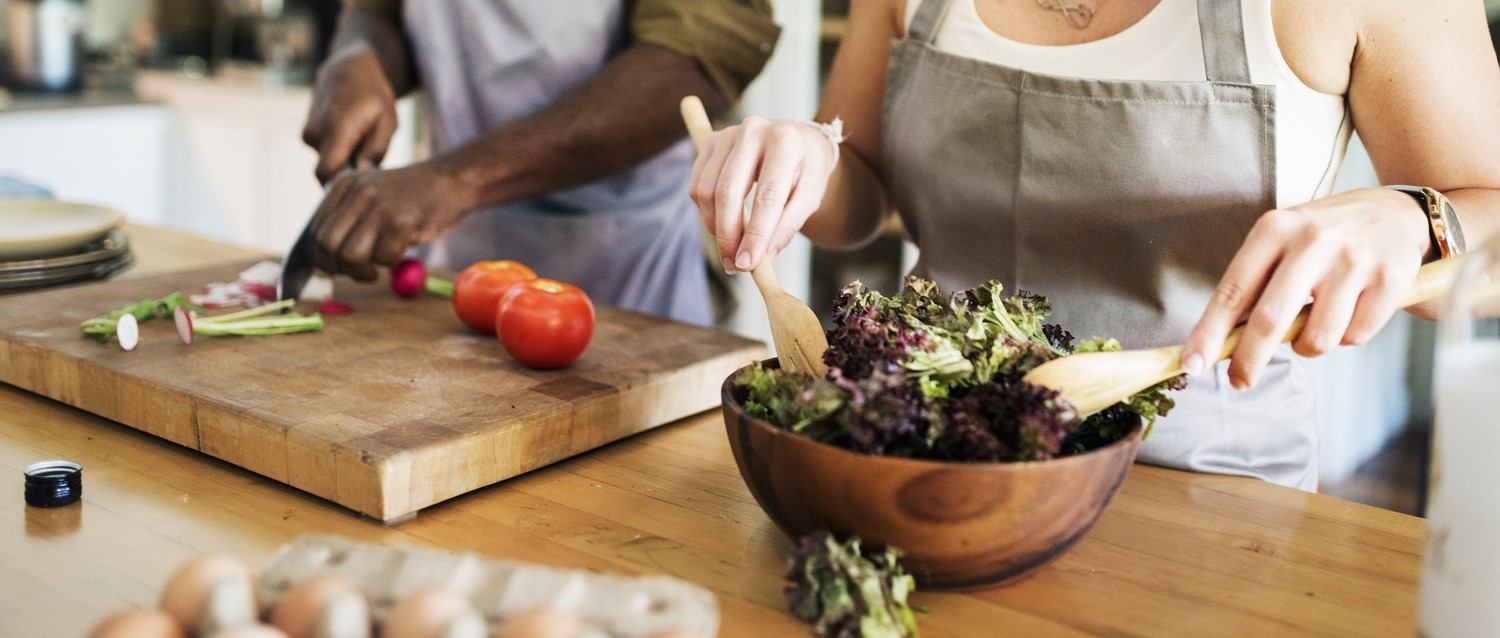
Standard advice is to 'eat a rainbow' - green leafy veg, red tomatoes, oranges, red soft fruit and purple aubergines are an example. Different coloured fruit and veg contain different vitamins and minerals.
Many of my patients bemoan the cost of fresh fruit and vegetables, convinced that veg-rich diets are only for the wealthy. Yet the humble (and versatile) tinned tomato offers an extraordinary range of benefits for a remarkably modest cost. They are rich in antioxidants - a group of vitamins, carotenoids, phenolic compounds, and phenolic acid that can neutralise free radicals. Since free radicals are unstable molecules linked to the development of a number of degenerative diseases and conditions, the benefits are obvious.
Importantly, while many fruits and vegetables lose some of their health benefits (including much of their water-soluble vitamin C) unless raw or only lightly cooked, the process of cooking actually increases the levels of the powerful antioxidant lycopene in tomatoes.
Low grain, low gain
In second place - low intake of whole grains is estimated to cause 3 million deaths and 82 million DALYs. Whole grain and wholemeal food is an important source of roughage - insoluble الألياف which is good for your bowels. But it also helps keep your weight down, helping improve cholesterol and blood pressure and reduce the risk of داء السكري من النوع 2. And 'soluble fibre', found in many fruits as well as in oats and veg, is particularly effective at controlling cholesterol and blood sugar.
For some people, particularly those with type 2 diabetes, a low-carb diet can result in significant improvements in blood sugar - in many cases, enough to put type 2 diabetes into remission. But there is a world of difference in terms of health harm between the deadly white stuff and other forms of starchy carbohydrates.
Switching refined carbs (sugar, white flour products) for unrefined (wholemeal and whole grain) is an easy way to help your heart. Pulses and lentils are a great way to boost your protein and fibre intake - add them to stews or soups.
A seriously salty truth
The winner - excess الملح in our diet is thought, worldwide, to lead to up to a staggering 1-5 million deaths and 70 million DALYs. The extraordinary thing here is the main effect of high salt intake is on just one risk factor - ارتفاع ضغط الدم. On average as a country we eat about 8 grams of salt a day, 25% more than the recommended 6 grams (about a teaspoon). The Department of Health has worked out that if we all cut our salt intake by just one gram a day, we could prevent well over 4,000 early deaths a year in the UK. In pounds, shillings and pence, this tiny change would save the NHS £288 million a year.
Three quarters of the salt in our diet comes from processed foods - often hidden in sauces, soups and pickles, as well as the more obvious salty snacks, bacon and salamis. Cooking from scratch allows you much more control over the ingredients - flavouring with herbs, spices and lemon juice instead of salt. In the long term, a gradual reduction in the levels of salt in your diet can help retrain your palate so you don't miss it. But if you want the flavour of salt, consider a reduced sodium alternative such as LoSalt.
Fads for life
The Portfolio diet, which can reduce cholesterol over the long term by 20%, follows many of these principles. As well as lots of fruit, veg and pulses, they recommend upping your soya intake - tofu, soya drinks or yoghurts and soya beans all count. Another of their secret weapons is a daily dose of plant sterol or stanol - Flora ProActiv, Benecol etc. Another still is nuts (in their case almonds) which provide 'good' oils to improve your cholesterol.
Finally, the نظام غذائي متوسطي is associated with long life for a reason. Fruit, veg, whole grain foods and unsaturated fats (olive or rapeseed oil) all feature here - along with low intake of saturated fats (from fatty meat and processed cakes, pastries etc) and regular oily fish. Importantly, refined sugar intake is also low in the Mediterranean diet.
Dr Sarah Jarvis has acted as a medical advisor for LoSalt.
اختيارات المرضى لـ الحمية
النظام الغذائي والتغذية
ما هو النظام الغذائي منخفض الكربوهيدرات وهل هو صحي؟
عندما يتعلق الأمر بتناول الطعام الصحي، فإن كل مجموعة غذائية مهمة. يشمل ذلك الكربوهيدرات، وهي المجموعة الغذائية عالية الطاقة التي تزودنا بالوقود لكل ما نقوم به، من التنفس إلى الجري. ومع ذلك، نظرًا لأن الأطعمة الغنية بالكربوهيدرات توفر الكثير من الطاقة، فقد تبنى بعض الأشخاص الأنظمة الغذائية منخفضة الكربوهيدرات لتحقيق فقدان وزن كبير.
بقلم هيذر أينسورث
النظام الغذائي والتغذية
حمية الكيتو: ما هي وهل تعمل؟
تزداد خطط النظام الغذائي منخفض الكربوهيدرات شهرة في عالم التغذية، ولكن ماذا عن ابن عمها الأكثر تطرفًا، النظام الغذائي الكيتوني؟ يُشيد به مشاهير هوليوود لحرق الدهون وتقليل الشهية وإدارة مستويات السكر في الدم، فهل هو حقًا كل ما يُدعى أنه عليه؟ وماذا عن المخاطر؟
بقلم الدكتورة كاري روكستون، دكتوراه، تغذية الأطفال
عن المؤلفعرض السيرة الذاتية الكاملة
كتبه

الدكتورة سارة جارفيس
استشاري سريري
MA (Cantab), BM, BCh (Oxon), DRCOG, FRCGP, MBE
بعد التدريب في الطب في كامبريدج وأكسفورد، أصبحت الدكتورة سارة جارفيس حاصلة على وسام الإمبراطورية البريطانية طبيبة عامة.
حول المراجععرض السيرة الذاتية الكاملة

الدكتور كولين تايدي، MRCGP
طبيب عام، مؤلف طبي
MBBS, MRCGP, MRCP (Paediatrics), DCH
الدكتور كولين تايدي هو طبيب في هيئة الخدمات الصحية الوطنية، ويعمل في أوكسفوردشاير.
تاريخ المقال
المقال متاح أيضًا باللغة الإنجليزية, الألمانية, إسبانية, الفرنسية, إيطالي, البرتغالية, الهندية, العبرية, العربية ,، و السويدية.
30 Sept 2020 | نُشر في الأصل
كتبه:
الدكتورة سارة جارفيسمراجعة من قبل
الدكتور كولين تايدي، MRCGP
شارك أفكارك أو تجاربك مع الآخرين في مجتمعات المرضى.
اشترك في النشرة الإخبارية للمرضى
جرعتك الأسبوعية من النصائح الصحية الواضحة والموثوقة - مكتوبة لمساعدتك على الشعور بالاطلاع والثقة والتحكم.
من خلال الاشتراك، فإنك تقبل سياسة الخصوصية. يمكنك إلغاء الاشتراك في أي وقت. نحن لا نبيع بياناتك أبدًا.