
Breaking the stigma of mental health
Peer reviewed by Dr Hayley Willacy, FRCGP Authored by Dr Sarah JarvisOriginally published 31 Oct 2017
Meets Patient’s editorial guidelines
- DownloadDownload
- Share
- Language
- Discussion
- Audio Version
- Add to preferred sources on Google
Many celebraties are now quite rightly openly discussing mental health. By raising awareness, the aim is to break the stigma around it so that people of all ages can recognise the symptoms and get the help needed.
Mental health support for adults and children
Online CBT and psychological therapy for adults and children aged 8–17. Onebright’s accredited clinicians support people experiencing anxiety, depression and other emotional challenges.
It's more common than you think
Depression is amazingly common, affecting 60% of us at some point. For 1 in 10 men and 1 in 5 women, the 'black dog' has a major impact on life. It's much more than just feeling a bit down because your team has lost a football match or your favourite TV show has been cancelled. It's an overwhelming sadness, or constant exhaustion, or a complete inability to enjoy life - or sometimes all three.
How do I know?
To tease out depression, your doctor will ask two screening questions. In the last month, have you been bothered by:
Feeling down, depressed or hopeless?
Not enjoying things you'd normally look forward to?
If the answer is 'yes, at least half the time' to either of these questions, they'll probe further. Have you had problems with sleep, appetite, concentration, feeling unduly guilty? Have you ever thought you'd be better off dead? If you're concerned about a loved one, offer to go with them to see the GP - you can go in with them or just wait outside for moral support.
These questions will give an idea of whether you're depressed and if so, how seriously. The options for treatment will depend on your circumstances, but talking therapy is likely to be high up the list. These days, everyone in the UK can get a free NHS assessment through the IAPT service (Improving Access to Psychological Therapies) - or you can refer yourself to your local service. That assessment will help decide which form of counselling will suit you best. Antidepressant medication tends to be reserved for more severe cases. It can help enormously, but needs to be taken for some months for best effect.
What causes mental health disorders?
Depression is often triggered by a single major life event. But someone can also be tipped over into depression by just too many minor stresses. We all need some stress to motivate us - otherwise, we'd never be bothered to put any effort into anything. But if stress increases too much, it can push us over the brink. Instead of making us want to try that bit harder, every new demand on us seems overwhelming. We can't make decisions, and fear that others will work out we're not managing just adds to the stress. We can't cope even with the 'enjoyable' stress of socialising or concentrating on Bake-Off.
Even more people are affected if we include other mental health problems such as anxiety, obsessive-compulsive disorder or schizophrenia. 1 in 6 adults have a 'common mental disorder', a figure that has stayed stable among men for the last 20 years but gone up among women. Of people affected, 1 in 3 women now receive help for their mental health problems, up from 1 in 4 just a decade ago.
Looking to the future
Doctors are prescribing more medicines like antidepressants, but there's also more access to talking therapies including counselling. People with mental health disorders are also more likely to be using community services, and to discuss their problems with a GP, than they were a decade ago. More and more people with severe mental health problems are being offered care at home, with specialist services coming to visit them. But inequalities do still exist - people who live alone, are out of work or have physical health issues too are more likely to have mental health problems.
There is much you can do yourself if you're prone to depression. Many people drink alcohol to try to forget their troubles - but alcohol is actually a depressant, and can make your mood worse. There's lots of help available on the NHS if you're concerned about your drinking. Regular exercise helps your body make natural 'feel-good' hormones. Making simple relaxation techniques part of your day can help counter the stresses of modern life that can lead to depression. And techniques like mindfulness - focusing on the here and now - can quickly become a protective part of your daily routine.
With thanks to 'My Weekly' where this article was originally published.
Patient picks for Mental wellbeing
Mental health
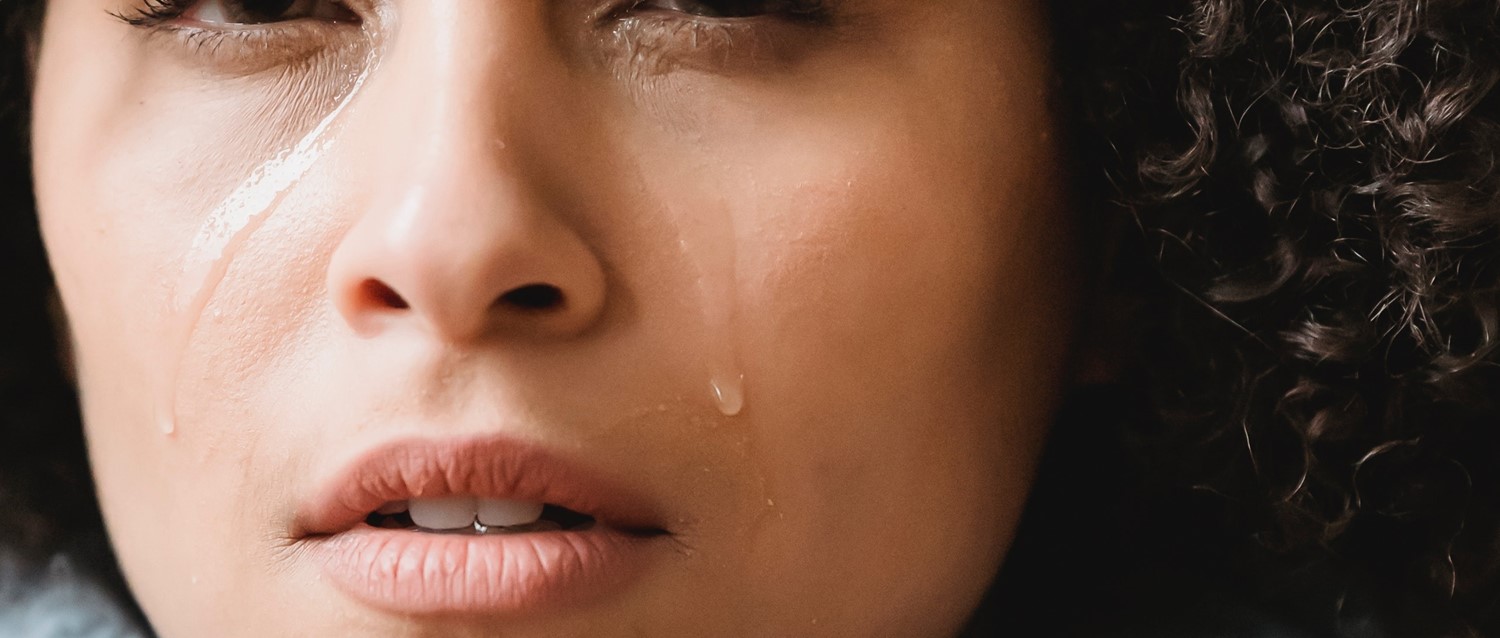
Is crying good for you?
Crying is a completely natural, human process that happens under a variety of circumstances. We cry when we belly laugh, when we grieve, when we're overcome with happiness and at soppy adverts on TV. But is crying actually good for your health? And why is it important to let your tears out when you just need a good bawl?
by Emily Jane Bashforth

Mental health
How to look after your mental health this winter
The first months of the year can be a miserable time. Holiday festivities are over, money is tight and pressure to keep up your resolutions is mounting. This can lead to feelings of anxiety, depression and even failure. For many, these symptoms begin even earlier as the seasons change from autumn to winter. According to the Royal College of Psychiatrists, around every 3 in 100 people suffer from significant seasonal depression, which can interfere with daily life. We explore why winter leaves so many feeling down and how you can tackle it at home.
by Georgia Gallant
About the authorView full bio

Dr Sarah Jarvis
Clinical Consultant
MA (Cantab), BM, BCh (Oxon), DRCOG, FRCGP, MBE
After training in medicine at Cambridge and Oxford, Dr Sarah Jarvis MBE became a GP.
About the reviewerView full bio

Dr Hayley Willacy, FRCGP
General Practitioner, Medical Author
MBChB (1992), DRCOG, DFFP, MRCOG (Part 1) MRCGP (2007), DFSRH (2013), MSc - medical education (2020)
Dr Hayley Willacy was an NHS GP working in northwest England, who retired from clinical practice in 2022 after 30 years.
Article history
Article also available in English, German, Spanish, French, Italian, Portuguese, Hindi, Hebrew, Arabic, and Swedish.
31 Oct 2017 | Originally published
Authored by:
Dr Sarah JarvisPeer reviewed by
Dr Hayley Willacy, FRCGP
Join the conversation
Share your thoughts or experiences with others in our patient communities.

Ask, share, connect.
Browse discussions, ask questions, and share experiences across hundreds of health topics.

Feeling unwell?
Assess your symptoms online for free
Sign up to the Patient newsletter
Your weekly dose of clear, trustworthy health advice - written to help you feel informed, confident and in control.
By subscribing you accept our Privacy Policy. You can unsubscribe at any time. We never sell your data.
More in mental health
- Air pollution linked to mental health problems
- Can exercise really help with depression?
- Can football tackle mental health stigma?
- Dealing with depression and anxiety caused by adult acne
- Do mental health apps really work?
- Domestic abuse survivors more likely to develop serious mental illness
- Eating dark chocolate may reduce odds of depression
- How borderline personality disorder affects your life
- How to cope with climate change anxiety
- How to get over a fear of blood tests
- How to support someone through a panic attack
- How to support someone with psychosis
- How to talk to children about death
- The link between gut health and happiness
- What happens to your body during a panic attack?
- What mental health support is available to veterans?
- What you need to know about intrusive thoughts and OCD
- Why do we find it comforting to re-watch our favourite movies?
- Why our brains are hooked on bad news
- Will taking antidepressants really lead to weight gain?