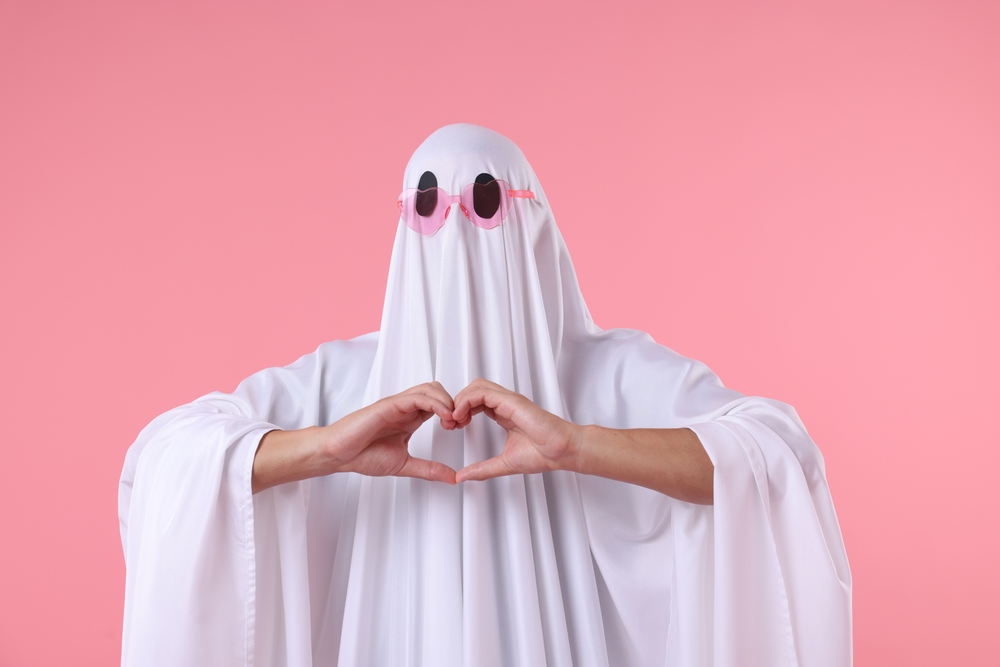
Halloween - making 'scary season' work for everyone
Peer reviewed by Dr Colin Tidy, MRCGPAuthored by Claire KennyOriginally published 19 Oct 2026
Meets Patient’s editorial guidelines
- DownloadDownload
- Share
- Language
- Discussion
- Audio Version
- Add to preferred sources on Google
Whether it’s social pressure, a higher tolerance for ‘jump scares’, or a need to perform for the ‘gram, Halloween seems to have become a month-long fear-fest. But where does the shock and gore leave people who don’t want extreme horror? If your family or friendship group is a mix of fright fans and apple bobbing enthusiasts, read on to help everyone make the most of scary season.
How Halloween has changed
Few of us would disagree that what felt thrilling ten years ago now feels tame. As entertainment venues compete with each other to give us that elusive dopamine hit, we compete with each other to showcase it on social media. This can be perplexing - even isolating - for people who experience the world differently, for example due to neurodiversity or additional health needs. A bit of understanding can make a huge difference.
London-based psychotherapist Eloise Skinner highlights how Halloween’s overstimulating nature can impact our mental and physical wellbeing.
“We live in a world that can feel overpowering and unpredictable at the best of times, so Halloween can easily start to feel overwhelming,” she explains. “This can have a direct impact on our mental health, but also on our physical health, making us feel stressed, anxious, and on edge.”
Eloise Skinner
How to make the most of Halloween for everyone
Neurodiverse people
Flashing lights, loud noises, unpredictable frights, and crowded streets can be overwhelming for neurodiverse people. Experts emphasise the importance of predictability such as clear routines, visual schedules, and reduced surprises.
Consider avoiding:
Certain environments - which can cause sensory overload.
Crowds and chaotic movement - they’re known contributors to anxiety and disorientation.
Masks and costumes - known to make reading social cues more difficult.
Unpredictable frights - they could lead to stress responses that linger long after the scare.
People with heart conditions
Adult Halloween environments are built on shocks and sudden stress, which can in turn trigger a range of symptoms for people with heart conditions. These include chest pain, palpitations, dizziness, or breathlessness.
Watch out for:
Jump scares and loud noises - they can cause adrenaline spikes that trigger an abnormal rate and/or rhythm of the heartbeat (arrhythmia).
Cold evenings without the right clothing - they’ve been shown to constrict blood vessels, worsening
angina, or breathlessness.
Long walks during trick‑or‑treating - this presents an increased risk of additional strain on the heart, especially in cases where someone has heart failure.
Alcohol at parties - which could provoke an irregular heartbeat.
High‑sugar treats - people with diabetes or metabolic heart disease may end up being negatively impacted.
People with long-term health conditions, and long-term pain
If someone in your party is living with a long-term condition, or long-term pain - for example in their joints, muscles, or pelvis - Halloween might place more physical strain on them than people realise. Knowing the triggers makes it easier to avoid.
Bear these ones in mind:
Long periods of standing or walking - they can be physically and mentally challenging.
Cold weather - stiffness for people who experience joint pain could cancel out any fun.
Heavy costumes or props - the result could be unnecessary strain.
Crowded spaces - they make pacing difficult, and might also make it challenging to find somewhere to rest.
Bright lights and loud sounds - there’s a risk of triggering a migraine.
People experiencing perimenopause, menopause, and post‑menopause
Menopause symptoms can make Halloween environments even harder to navigate.
Some challenges include:
Warm or crowded venues - which can make hot flushes more likely.
Sleep disruption - the result might be a night-time event that’s exhausting rather than enjoyable.
Stress or sensory overload - this might amplify mood changes, which isn’t fun for anyone.
Cold weather - a known aggravator of joint pain in particular.
Unpredictable frights - these might result in increased anxiety.
Halloween safety tips for everyone
Everyone should be able to enjoy a fun Halloween with some simple tweaks.
These could include:
Avoiding late-night events and opting for ones that are marketed as family-friendly - it might mean the atmosphere is more mellow.
Encouraging your loved one to plan ahead so they bring what they need - whether it’s medication, water, snacks, noise‑reducing headphones, and comfort items. Basically, whatever they need to feel like themselves.
Having an exit plan - hopefully you won’t need it, but it’s helpful to know that if anything crops up, you can help someone get outside, take a break, or head home early.
Being mindful of the temperature - cold evenings can worsen pain, angina, and fatigue, and heat can be uncomfortable.
Dressing sensibly - think breathable layers and lightweight costumes.
Pacing any walking and taking regular breaks - Halloween often involves more walking, standing, and queuing than expected.
Skinner would encourage everyone to have a conversation with friends and family beforehand to set expectations and help people get the best experience out of the festivities.
She says: “One outcome might be that some family members or friends will plan certain events that won't be suitable for others, while also taking time to plan activities where everyone can come together.”
Things to remember
Halloween is meant to be fun, but that doesn’t have to mean a contest of who can handle the most gore. Peer pressure can be really challenging, so help your loved one set boundaries, and stick to them. Reassure them that it’s okay to say no to haunted houses, jump‑scare mazes, or late‑night events if they’re not comfortable, and that you’re there to support them and help them have a good time.
“Although some people may feel that horror and shock factor experiences give them a thrill or adrenaline boost, it's important to remember that not everyone has the same physical reaction or preferences," Skinner concludes. "So it's not necessarily wrong or even unusual to want to opt-out or choose a different type of experience.”
After all, in a world that just keeps getting scarier, maybe the real magic lies in making sure everyone can join in.
Patient picks for Mental wellbeing
Mental health
Craving some cosy? The science of autumn nesting
Are you feeling a pull towards ‘nesting’ as temperatures drop and daylight shifts? The arrival of autumn affects everyone differently - you might enjoy the change of pace, or maybe you notice lower energy or mood. Whether you’re a fan or not, there’s a whole host of health benefits beyond the darker nights, colder days, and extra layers.
by Claire Kenny
Diet and nutrition
7 healthy Halloween treats
No one wants to be the neighbour who passes out plain fruit instead of sweets to trick-or-treaters. But what if you could make healthy Halloween treats more fun and appealing to children - or to your sweet-toothed friends and family?
by Lynn Stephen
About the authorView full bio
Authored by
Claire Kenny
Claire is a company founder, writer and content creator. She has 25+ years of experience as a commercial copywriter and communications professional and is also a PR. Her clients include the production company behind a new comedy film set in Yorkshire.
About the reviewerView full bio

Dr Colin Tidy, MRCGP
General Practitioner, Medical Author
MBBS, MRCGP, MRCP (Paediatrics), DCH
Dr Colin Tidy is an NHS Doctor, based in Oxfordshire.
Article history
Article also available in English, German, Spanish, French, Italian, Portuguese, Hindi, Hebrew, Arabic, and Swedish.
Next review due: 19 Oct 2029
19 Oct 2026 | Originally published
Authored by:
Claire KennyPeer reviewed by
Dr Colin Tidy, MRCGP
Join the conversation
Share your thoughts or experiences with others in our patient communities.

Ask, share, connect.
Browse discussions, ask questions, and share experiences across hundreds of health topics.

Feeling unwell?
Assess your symptoms online for free
Sign up to the Patient newsletter
Your weekly dose of clear, trustworthy health advice - written to help you feel informed, confident and in control.
By subscribing you accept our Privacy Policy. You can unsubscribe at any time. We never sell your data.