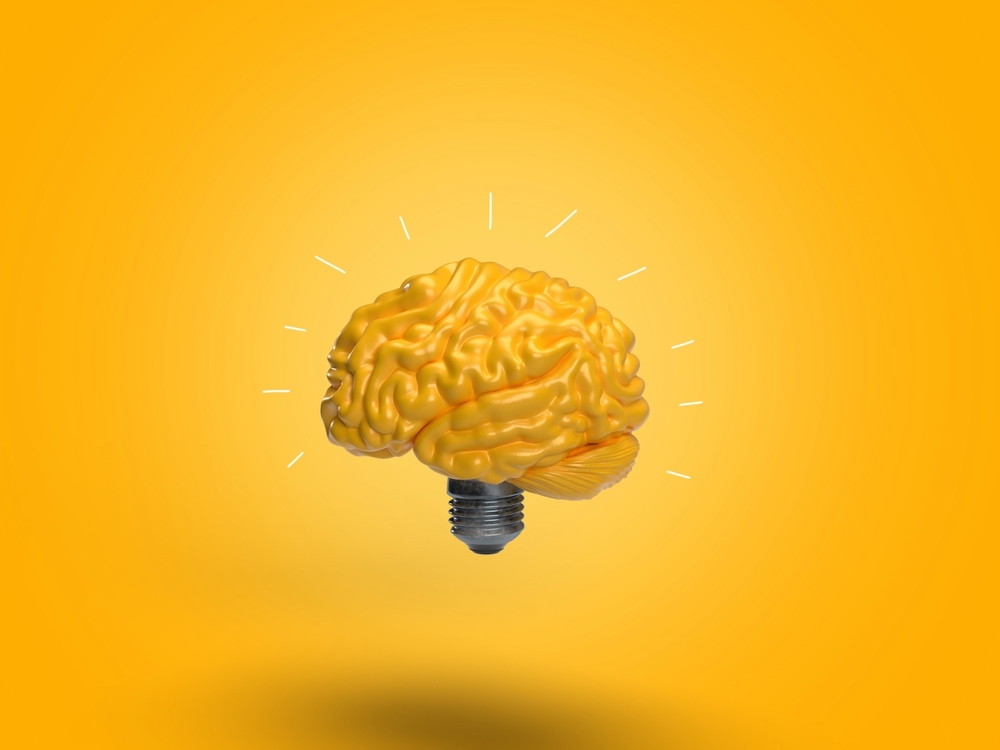
Mind and body control - how to channel your ‘internal telekinesis’
Peer reviewed by Dr Colin Tidy, MRCGPAuthored by Hannah Boynton-ForshawOriginally published 21 Oct 2026
Meets Patient’s editorial guidelines
- DownloadDownload
- Share
- Language
- Discussion
- Audio Version
- Add to preferred sources on Google
The dark nights have arrived, and right on cue, Mike Flanagan has turned his attention to one of Stephen King’s most iconic tales of teenage torment and supernatural terror... Carrie.
The story of a schoolgirl with telekinetic powers - the fictional ability to move objects using the mind alone - has gripped our morbid imaginations for decades. Little wonder, then, that this horror classic is getting a new lease of life in a television adaptation.
But while we ourselves may not be able to bend spoons or move furniture, we do possess our own real-world form of ‘internal-telekinesis’. Through mental focus and controlled breathing, we can influence our heart rate and help calm an overworked nervous system.
What is the connection between mind and body?
It’s key to point out that ‘internal telekinesis’ isn’t a clinical term, but rather a way to introduce the idea of using mental power as a tool to physically calm your body.
We spoke to Dr Connie McReynolds, Ph.D., a Licenced Psychologist and author in Redlands, California, to help explore how directed thoughts and intentional focus have an effect on your nervous system and stress response.
McReynolds explains that our brains continually interpret information, looking for signs of safety, uncertainty, and potential danger.
“For example, when something is perceived as threatening, your nervous system can quickly prepare your body to respond,” she says. “Your heart rate may increase, breathing may become faster, muscles tighten, and even digestion can change.
“These are genuine biological responses, not something you are imagining. And because communication between your brain and body goes both ways, physical sensations can sometimes intensify the emotional response.”
She adds that our physical responses aren’t simply reactions to what happens around us - they can also reflect how our brains process and interpret those experiences.
Why is your brain trapped in ‘fight-or-flight’?
Our brains are very good at learning from experience - particularly if it involves uncertainty, fear, or danger. McReynolds notes that our brain can also learn to remain on high alert, even when it’s no longer necessary.
“When you experience prolonged or repeated stress, your brain may become more sensitive to reminders of earlier stressful experiences,” she says. “This increased sensitivity can activate your body's stress response, even when no immediate danger is present.”
McReynolds adds that physical sensations may become part of a cycle. For example, if you have been under constant intense pressure, you may find your heart racing whenever your phone rings, or when you receive a message alert.
“Your brain may have learned to associate those sounds with stress, and your body responds accordingly. A racing heart or tightening muscles may increase your sense that something is wrong, reinforcing the original response.
“What’s important to understand is that your nervous system is not necessarily responding to actual danger. You need to recognise not only what activates your stress response, but also what may be making it difficult for you to return to a more settled state.”
4 ways to support an overanxious nervous system
When your brain perceives a threat, your sympathetic nervous system activates your ‘fight-or-flight’ response - mobilising your body for action.
Although this response is natural, the ability to regulate your body towards a calmer state - triggering the parasympathetic nervous system to a ‘rest-and-digest’ response - can help reset your mind and body.
Whilst there is no single way to instantly reset your nervous system, McReynolds suggests some strategies to help your body to move out of a heightened state of alertness.
These include:
Slow your breathing - particularly the exhalation. Take gentle, comfortable breaths and allow the exhalation to last a little longer than the inhalation. This can help reduce physical stimulation. Even a minute or two of slower breathing may help you begin to feel more settled.
Redirect your attention - look to the immediate environment. Identify things you can see, hear, or physically feel around you. For example, notice five objects in the room, listen for three different sounds. This shifts attention away from anticipated threats and towards information available in the present moment.
Progressive muscle relaxation - a way to influence your body's response. By gently tightening, and then releasing different muscle groups, you can become more aware of where you are holding tension, and practice allowing those muscles to relax.
Interpreting a situation - when you notice your anxiety increasing, ask yourself: "What is actually happening right now, and what am I anticipating might happen?" This can help distinguish between an immediate issue, and a feared possibility.
McReynolds emphasises that these strategies are not about forcing yourself to relax, or pretending that a stressful situation isn’t happening. They offer different ways to influence physical responses to help your brain and body return to a more settled state.
What are the long-term health risks from an over-activated nervous system?
Your nervous system is designed to respond to stress, but also to recover from it. If your body is kept in a persistent ‘fight-or-flight’ response - with little time returning to a calmer state - it could have an impact on your health.
“When stress becomes persistent, the repeated activation of stress hormones and other physical responses can place considerable demands on your body,” McReynolds cautions.
“Over time, long-term stress can contribute to elevated blood pressure and an increased chance of cardiovascular disease. It can also interfere with sleep, affect digestion, contribute to muscle tension and headaches, and disrupt normal immune functioning.”
She goes on to say that one of the less obvious consequences is how these changes can reinforce each other. Poor sleep, and physical exhaustion can make ordinary demands feel more overwhelming.
If stress levels remain high, it may gradually feel normal living this way - without you realising how much your over-active nervous system could be affecting your daily life.
“The goal is not to eliminate stress - which is neither possible nor necessary,” McReynolds adds. “It’s to help your nervous system respond appropriately to challenges and have sufficient opportunities to recover.”
Why does shifting your mental focus effect your physical biology?
McReynolds notes that where we direct our attention can influence how our brain interprets what’s happening around us. Those interpretations can affect our physical responses.
When we focus intensely on something that’s frightening or uncertain, our brain may interpret that information as a signal to remain alert - with the nervous system responding accordingly.
However, McReynolds explains that when we deliberately redirect our attention towards something neutral, familiar, or reassuring, this gives our brain different information to process.
“If this information helps us recognise that we are safe, the nervous system may begin reducing its state of heightened alertness," she says.
A different way of looking at things
The good news is that we don't always need to change the circumstances around us to influence how our bodies respond to them. Sometimes, simply shifting our attention or changing how we interpret a situation can make a meaningful difference to how we feel - both mentally and physically.
But McReynolds cautions that it’s not simply a matter of telling ourselves to calm down. We all differ in how we process information and respond to stress.
“The goal should not simply be to teach people how to relax," she concludes. "It should be to help them understand their individual patterns of responding so they can develop strategies that genuinely work for them.”
Patient picks for Mental wellbeing

Mental health
Can Pilates help calm your nervous system? 3 simple moves to try
We’re hearing a lot at the moment about the sympathetic nervous system and the important role it can play in your mental wellbeing. When it’s activated too often, it can leave you feeling stuck in a constant fight-or-flight mode. That’s why it’s so important to find ways to help calm your nervous system and bring your body back to a more relaxed state. One way you can support this is through Pilates, which can help promote relaxation, mindful movement, and a greater sense of calm.
by Victoria Raw

Hormones
7 ways to ease 'morning dread' during perimenopause
If you’re going through perimenopause, you may recognise the sudden wave of dread or anxiety that can feel most intense first thing in the morning. These feelings can be especially overwhelming when they persist over time, affecting both your emotional wellbeing and daily life. The good news is that there are ways to support your body and mind through this natural - though often challenging - transition.
by Victoria Raw
About the authorView full bio
Authored by

Hannah Boynton-Forshaw
BA (Hons) Communications & Cultural Studies and Media
Hannah is a content writer who specialises in authentic, and engaging writing that tells a story.
She is committed to creating content that has clarity and purpose, and most importantly, engages with an audience. She has worked with a variety of brands, including IKEA, NHS Protect, University of Leeds, ASDA, Marks and Spencer, Tesco, Waitrose, Morrisons, Next, and British Gas.
About the reviewerView full bio

Dr Colin Tidy, MRCGP
General Practitioner, Medical Author
MBBS, MRCGP, MRCP (Paediatrics), DCH
Dr Colin Tidy is an NHS Doctor, based in Oxfordshire.
Article history
Article also available in English, German, Spanish, French, Italian, Portuguese, Hindi, Hebrew, Arabic, and Swedish.
Next review due: 21 Oct 2029
21 Oct 2026 | Originally published
Authored by:
Hannah Boynton-ForshawPeer reviewed by
Dr Colin Tidy, MRCGP
Join the conversation
Share your thoughts or experiences with others in our patient communities.

Ask, share, connect.
Browse discussions, ask questions, and share experiences across hundreds of health topics.

Feeling unwell?
Assess your symptoms online for free
Sign up to the Patient newsletter
Your weekly dose of clear, trustworthy health advice - written to help you feel informed, confident and in control.
By subscribing you accept our Privacy Policy. You can unsubscribe at any time. We never sell your data.