The best snacks for healthy teeth
Peer reviewed by Dr Sarah JarvisAuthored by Dr Carrie Ruxton, PhD, Child NutritionOriginally published 26 Feb 2018
Meets Patient’s editorial guidelines
- DownloadDownload
- Share
- Language
- Discussion
- Audio Version
- Add to preferred sources on Google
Our teeth are an important part of our looks as well as being essential for chomping our food. Yet, while most of us are dismayed at the thought of fillings or tooth extractions, we can be quite cavalier when it comes to looking after our pearly whites. A survey for National Smile Month revealed that a quarter of adults (particularly men) don't brush their teeth twice a day, while three quarters never floss. However, Brits lead the way across Europe in visiting their dentist.
The causes of tooth decay
Tooth decay happens when sugary and starchy foods stick to our teeth and are broken down by our natural oral bacteria. A by-product of this process is the release of small amounts of acid which dissolves tooth enamel. Over time, damage occurs leading to tooth cavities.
Fife-based dentist, Gaye Mullins, comments: "Any carbohydrate will cause tooth decay if it's allowed to linger on the tooth surface. However some snacks are 'safer' than others for your teeth. Research shows that the frequency of eating sugar is more significant in causing tooth decay. Every time sugar is eaten the pH of the mouth becomes more acidic and the teeth are more vulnerable to decay. The mouth will take at least 20 minutes to return to normal (neutral pH) after the sugar attack. This is harmless if occasional sweet snacks are taken but if many such snacks are taken throughout the day the teeth will decay."
All in the timing
A study carried out at Leeds University looked at how frequency of snacking affects our teeth, using a clever dental brace containing a tiny slab of weakened tooth enamel. Participants had to drink a large sugary drink either once, 3, 5, 7 or 10 times daily for five days, during which time they brushed their teeth twice a day with a fluoride toothpaste. The study was then repeated with a different enamel slab - but this time, the participants used fluoride-free toothpaste.
When fluoride toothpaste was used, the results showed that tooth enamel was attacked by acid after the sugary drink was consumed more than five times a day. However, without fluoride, the teeth were susceptible to attack at a sugar frequency of just three times daily. The take home message is that, even with perfect toothbrushing, you can really only eat sugary foods up to five times a day safely - and that includes meals, drinks and snacks. But if your toothbrushing isn't up to scratch, eating even three sugary items a day is risky for dental health.
How snacking affects teeth
While we know for sure that sugar is bad for the teeth, what about raisins, juices, smoothies and savoury snacks?
A study published in the International Journal of Food Sciences and Nutrition found that, contrary to popular belief, dried fruits are not bad for teeth. Eating raisins didn't lead to acid attacks in the mouth, chewing them boosted saliva, and they contained protective antioxidant compounds that can zap the oral bacteria responsible for tooth decay. However, Mullins cautions that: "When eaten occasionally raisins are fine but shouldn't be eaten frequently as their natural sugars are highly concentrated and they can stick in tooth fissures."
Neither are juices and smoothies as bad as they are painted. A study published in the International Journal of Paediatric Dentistry compared fruits that were eaten whole, mashed/liquidised versus juiced in a group of adults who hadn't brushed their teeth for 48 hours. The results showed no difference in the pH of tooth plaque after each of the fruits, suggesting that they had a similar impact on teeth.
On the other hand, savoury snacks are not harmless as the starch can be broken down by our oral bacteria and can lead to problems if eaten frequently. Take care with highly processed types of crisps and savoury snacks, particularly if they contain some sugar.
Ideal snacks
According to Professor Jack Toumba from Leeds University, the best snacks are those which aren't acidic, sticky or sugary; don't hang around too long in the mouth; contain tooth-friendly compounds such as the minerals calcium and phosphorus or natural antibacterials; and stimulate saliva which is nature's tooth cleaner.
He and Mullins recommend:
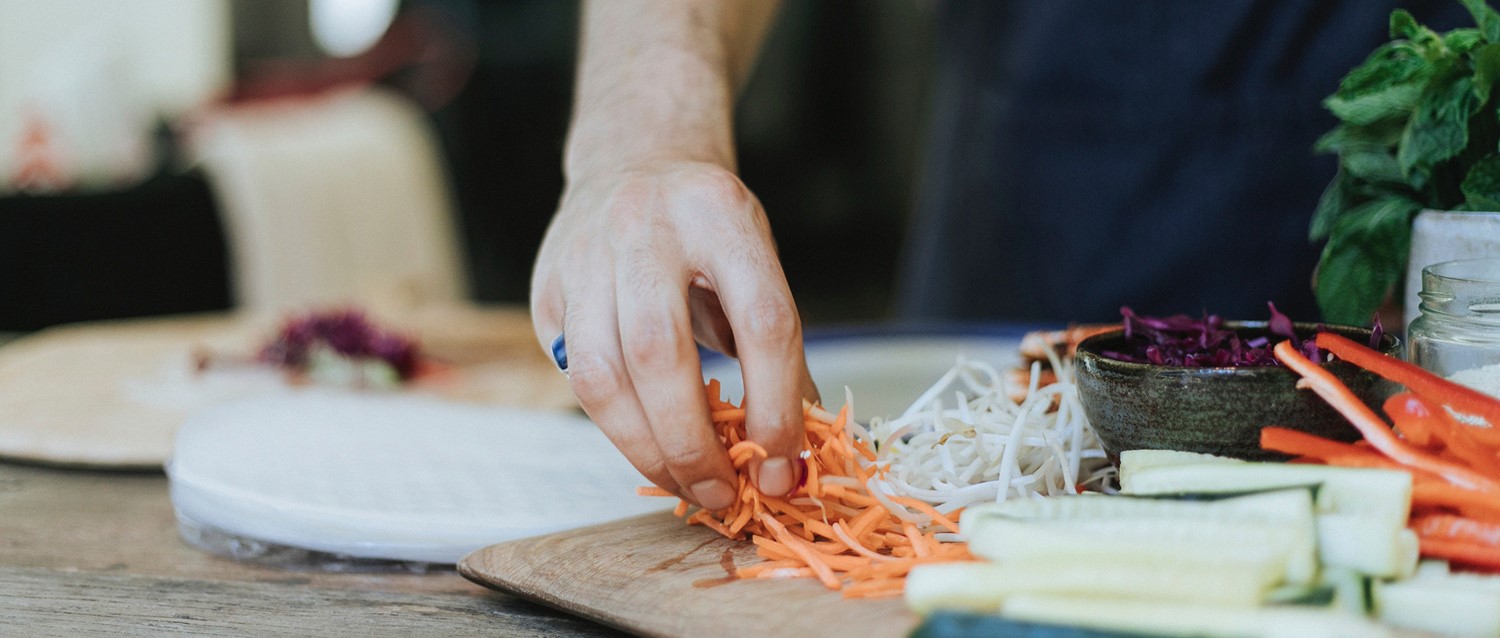
Carrots, celery and apples - their crunchy texture gives teeth an extra brush.
Cheese, yoghurt and plain nuts - rich in calcium and phosphorus, these foods help to repair our tooth enamel.
Sugar-free boiled sweets.
Oatcakes with hummus or sugar-free peanut butter.
As for those snacks to avoid, top of the list would be gummy sweets. Although much loved by children, these are horrendous for dental health as they tend to be eaten one by one and stick firmly to the teeth. Other foods to be cautious about include lollipops, boiled sweets, sugar-coated breakfast cereals and sweet biscuits. For drinks, it's best to limit fizzy options (both diet and sugary) as they are acidic and can erode tooth enamel.
Children's teeth are more susceptible to decay so extra care should be taken with the frequency of snacks and their sugar content. Sugar-free is best unless the snacks are enjoyed straight after a meal and eaten in a short space of time. The best drinks for children are milk, unsweetened tea, and tap water, although one small (150 ml) glass of 100% fruit juice or smoothie daily is fine.
Toumba suggests: "Give your children a fluoride mouth rinse when they get home from school followed by their snack 20-30 minutes later. Fluoride prevents the breakdown of tooth enamel and promotes remineralisation".
Safer sweeter options
While the ideal is, of course, sugar-free, sometimes only something sweet will hit the spot. In this case, chocolate seems to come out best. Mullins says: "Dark chocolate (70%) is safer than milk or white as it has less sugar but any chocolate is a better option than sweets or biscuits."
A study in Indian children examined the impact of different chocolate bars on risk of dental decay. While all products led to a drop in oral pH, milk chocolate and fruit and nut chocolate had the least negative effects. A similar trial in adults found that sugar-free chocolate performed best followed by dark chocolate then milk chocolate. White chocolate was the worst choice, thought to be due to an absence of cocoa which is rich in antibacterial polyphenols.
Tips for tooth-friendly snacking
Other ways to minimise harm when having a sweet treat:
Use a straw
Using a straw when drinking fizzy or sugary drinks, or at least not sipping them over a long period of time.
Don't snack before bed
Avoiding snacks just before bedtime when saliva levels tend to be lower.
Chew gum
Chewing sugar-free gum after meals and snacks.
Brush teeth regularly
Brushing teeth twice a day with fluoride toothpaste and flossing once daily.
Time your teeth-brushing
You may think that you should brush your teeth straight after eating something sweet. In fact, if you brush too soon after eating, the process can rub the sugar into your teeth before getting rid of it. Wait at least half an hour after eating before you brush.
Choose dairy
Having a glass of milk or a cube of cheese after eating something sweet as it readjusts oral pH and makes your teeth less susceptible to decay.
Patient picks for Dental care
Oral and dental care
The reason your gums are bleeding
You may consider bleeding gums a minor nuisance, but they can be associated with many much more serious diseases. How can you prevent gum disease and why should you do this? We ask the experts.
by Glynis Kozma
Oral and dental care
What your teeth say about your health
Most of us know the importance of looking after our teeth. Twice daily brushing, flossing, and good dental hygiene can help to keep our smile fresh, with little need for expensive dental work. But did you know that tooth issues can also indicate issues in the rest of the body?
by Lynn Stephen
About the authorView full bio
Authored by

Dr Carrie Ruxton, PhD, Child Nutrition
Dietitian and Health Writer
PhD, Child Nutrition
Dr Carrie Ruxton qualified as a Dietitian at Queen Margaret University, Edinburgh, before gaining a PhD in Child Nutrition.
About the reviewerView full bio

Dr Sarah Jarvis
Clinical Consultant
MA (Cantab), BM, BCh (Oxon), DRCOG, FRCGP, MBE
After training in medicine at Cambridge and Oxford, Dr Sarah Jarvis MBE became a GP.
Article history
Article also available in English, German, Spanish, French, Italian, Portuguese, Hindi, Hebrew, Arabic, and Swedish.
26 Feb 2018 | Originally published
Authored by:
Dr Carrie Ruxton, PhD, Child NutritionPeer reviewed by
Dr Sarah Jarvis
Join the conversation
Share your thoughts or experiences with others in our patient communities.

Ask, share, connect.
Browse discussions, ask questions, and share experiences across hundreds of health topics.

Feeling unwell?
Assess your symptoms online for free
Sign up to the Patient newsletter
Your weekly dose of clear, trustworthy health advice - written to help you feel informed, confident and in control.
By subscribing you accept our Privacy Policy. You can unsubscribe at any time. We never sell your data.