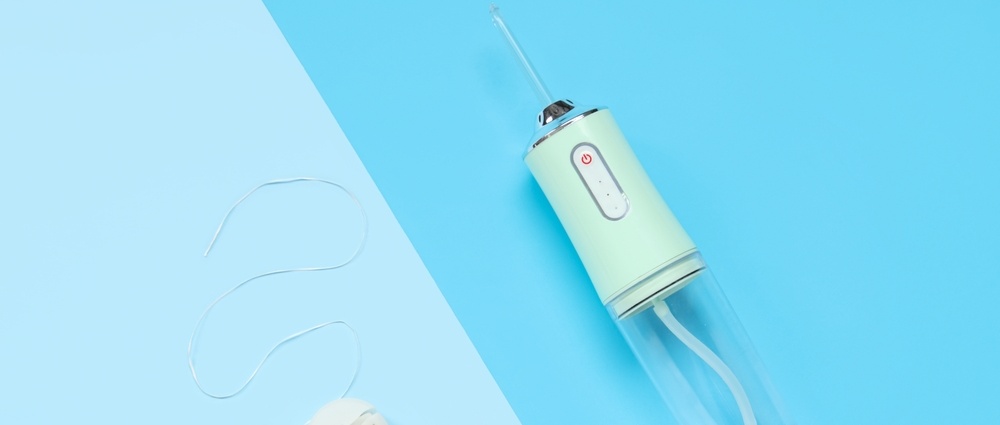
Is water flossing effective?
Peer reviewed by Dr Colin Tidy, MRCGPLast updated by Lynn StephenLast updated 7 Jul 2026
Meets Patient’s editorial guidelines
- DownloadDownload
- Share
- Language
- Discussion
- Audio Version
- Add to preferred sources on Google
Brushing your teeth keeps them clean and healthy, and flossing is important to clean hard-to-reach areas. Conventional dental floss is tried and tested but new technologies - such as water flossing - offer convenience and simplicity. We explore if water flossing is as effective as regular methods.
What is water flossing?
Water flossers, also known as oral irrigators, are handheld devices that aim to provide an effective alternative to regular flossing. Water flossing sprays pressurised water between the gaps in your teeth and along your gum line to remove plaque and food particles.
Streams of pressurised water replicate the flossing action to dislodge and wash away food particles and plaque. This helps to prevent plaque build-up, which can lead to more severe issues such as gingivitis and gum disease, also called periodontal disease.
By washing away bacteria, water floss may also help to improve overall oral health and reduce your risk of tonsil stones - also called tonsilloliths - where bacteria and other substances become trapped and harden.
How effective is water flossing?
Pressurised water can effectively remove food particles and wash away plaque between your teeth.1 However, water flossing lacks the scraping motion that's effective at removing stubborn plaque in tight areas. For this reason, many dentists recommend trying string floss or interdental brushes first.
There are certain groups who may benefit from water flossing over regular flossing.
Dr Sameer Patel, Clinical Director of Elleven Dental, says that those who find using regular dental floss difficult, have sensitive gums, or have braces on their teeth may find a water flosser beneficial.
"For optimum oral health, it is recommended you floss daily," he adds.
Will water flossing get rid of tonsil stones?
Tonsil stones are made up of bacteria, mucus, and bits of food and junk that get stuck in the nooks and crannies around your tonsils.
Water flossing can help get rid of some of the bits stuck around your throat before they form tonsil stones and can dislodge the stones themselves. But it is unlikely they will totally prevent them from happening.
If you are using a water flosser on the back of your throat make sure it is on a low pressure and if it hurts stop using it.
Is water floss better than dental floss?
According to Dr Nilesh Parmar, award-winning dental surgeon, water flossing has recently gained widespread acceptance.
"As a population, we love our gadgets, and these devices aim to replace the humble dental floss. There is research to show that water flossing is beneficial," he says. "However, it is not a replacement for flossing. So don't throw away your floss just yet."
Although both water floss and dental floss produce positive results in trials, when it comes to which is best, the evidence is mixed. There's research to suggest that pressurised water is at least as effective as string-based dental floss at removing food particles and washing away plaque between your teeth.1 Some studies even suggest that it's significantly more effective for surface plaque removal.2
On the other hand, data on water flossing is relatively new, and its use for long-term oral hygiene is less clear. Much of the evidence is based on single-use studies that only focus on volume of plaque removal.
Instead of discarding your dental floss, many dentists advise using both techniques in combination for the best results. Well-rounded oral hygiene requires you to remove as much plaque as possible, but also to pay attention to hard-to-reach areas such as tight tooth gaps - which can be more difficult when using water floss.
This is why water flossing is beneficial as an additional tool in your oral hygiene kit. Brushing twice a day, regular flossing, and water flossing will help you protect your teeth from plaque, keeping them healthy and preventing issues such as persistent bad breath.
Patient picks for Dental care
Oral and dental care
Is your mouth making you sick? How gum disease impacts more than just your teeth
Looking after your oral health isn’t just about keeping your teeth in place. An unhealthy mouth can affect your whole body. Poor oral hygiene - in particular gum disease - has been linked to other serious conditions and can even make existing health issues worse.
by Victoria Raw
Oral and dental care
What your teeth say about your health
Most of us know the importance of looking after our teeth. Twice daily brushing, flossing, and good dental hygiene can help to keep our smile fresh, with little need for expensive dental work. But did you know that tooth issues can also indicate issues in the rest of the body?
by Lynn Stephen
Further reading and references
- Abdellatif H, Alnaeimi N, Alruwais H, et al; Comparison between water flosser and regular floss in the efficacy of plaque removal in patients after single use. Saudi Dent J. 2021 Jul;33(5):256-259. doi: 10.1016/j.sdentj.2021.03.005. Epub 2021 Mar 31.
- Goyal CR, Lyle DM, Qaqish JG, et al; Evaluation of the plaque removal efficacy of a water flosser compared to string floss in adults after a single use. J Clin Dent. 2013;24(2):37-42.
About the authorView full bio
Updated by

Lynn Stephen
Content developer
MA (Hons)
Lynn joined Patient in 2023 and her role includes checking all the professional leaflets, patient information leaflets and medicine leaflets, to ensure consistency of spelling, grammar, reference material and brand style, working with the medical authors and clinical director to coordinate the authoring and peer reviewing of the leaflets.
Authored by
Matt Binny
Feature writer
BA Applied Media
About the reviewerView full bio

Dr Colin Tidy, MRCGP
General Practitioner, Medical Author
MBBS, MRCGP, MRCP (Paediatrics), DCH
Dr Colin Tidy is an NHS Doctor, based in Oxfordshire.
Article history
Article also available in English, German, Spanish, French, Italian, Portuguese, Hindi, Hebrew, Arabic, and Swedish.
Next review due: 7 Jul 2029
7 Jul 2026 | Latest version
19 Jun 2023 | Originally published
Authored by:
Matt Binny
Join the conversation
Share your thoughts or experiences with others in our patient communities.

Ask, share, connect.
Browse discussions, ask questions, and share experiences across hundreds of health topics.

Feeling unwell?
Assess your symptoms online for free
Sign up to the Patient newsletter
Your weekly dose of clear, trustworthy health advice - written to help you feel informed, confident and in control.
By subscribing you accept our Privacy Policy. You can unsubscribe at any time. We never sell your data.