حمض الهيالورونيك: فوائد العناية بالبشرة، الآثار الجانبية والمزيد
مراجعة من قبل الدكتور كولين تايدي، MRCGPآخر تحديث بواسطة Lynn Stephenآخر تحديث 25 Nov 2025
يتوافق مع الإرشادات التحريرية
- تنزيلتنزيل
- مشاركة
- Language
- نقاش
- Ask Patient
- نسخة صوتية
- أضف إلى المصادر المفضلة على جوجل
إذا كنت تبحث عن إضافة جرعة قوية من الترطيب إلى روتين العناية بالبشرة الخاص بك، فلا تبحث أبعد من حمض الهيالورونيك. على عكس الأحماض الأخرى للعناية بالبشرة، فإن هذه المادة لا تقشر البشرة بل تجذب الرطوبة، مما يحافظ على حماية بشرتك بينما تبدو أكثر شبابًا.
Explore moisturisers for dry skin
احصل على مشورة صحية متخصصة وأنت في راحة منزلك. أكمل استشارة سريعة عبر الإنترنت، متاحة على مدار الساعة طوال أيام الأسبوع، وسيراجع طلبك ممارس صحي مسجل في المملكة المتحدة. تتوفر خدمة التوصيل في اليوم التالي للعلاجات المؤهلة.

What is hyaluronic acid?
In recent years, hyaluronic acid has gained celebrity status in the world of skincare and is now a star ingredient in many cosmetic facial products and injections.
You may have seen hyaluronic acid products dominate the cosmetics industry, but did you know that your body naturally produces this substance?
Hyaluronic acid is found in your eyes, the connective tissues surrounding your joints, and your skin. It's a humectant, meaning it retains moisture.
For your tissues and cartilage, this provides cushioning and lubrication which can prevent wear and ألم المفاصل. For your skin, this means hydration - an all-important feature of good skin health.
Benefits: what does hyaluronic acid do?
Dr Kristina Semkova, consultant dermatologist at the Cadogan Clinic, says: "Hyaluronic acid, despite its name and unlike other skincare acids, does not exfoliate but instead hydrates the skin by attracting and holding water. In fact, it can hold 1000 times its weight in water, and this gives volume to the skin and reduces fine wrinkles."
In this way, hyaluronic acid can effectively reduce the signs of ageing. As you age, your body produces less hyaluronic acid, reducing skin elasticity and leading to classic skin ageing signs such as sagging and fine lines. The main aim of cosmetic hyaluronic acid products is to counteract this effect and provide a boost of hydration.
Is hyaluronic acid good for other skin issues?
If anti-ageing isn't your number one priority, don't be fooled into thinking that's all hyaluronic acid has to offer.
By helping your skin cells to draw in moisture, hyaluronic acid helps to keep your outermost layers of skin - called your skin barrier or lipid barrier - healthy and functioning.
A healthy skin barrier protects you from harmful external elements, such as ultraviolet (UV) sun rays, germs, dust, and pollution.
The following skin complaints are signs of a damaged or compromised skin barrier, and may benefit from hyaluronic acid:
Dry skin - hyaluronic acid can be applied directly on to the skin to hydrate the outermost layers of skin on a surface level.
Sun-damaged skin - hyaluronic acid can help regulate inflammation and other damage caused by ultraviolet B (UVB) rays from the sun.
Broken or wounded skin - hyaluronic acid has antibacterial properties and applying it directly to wounds may reduce the chance of infection.
Is hyaluronic acid good for acne?
Yes, the bacteria that cause حب الشباب are able to penetrate your skin more easily, making it another common sign of a damaged skin barrier.
Semkova says: "Hyaluronic acid can help reduce the redness associated with acne and also help protect and improve the skin barrier. It won't prevent acne, but it may help with treating some of the symptoms."
Clinically administered hyaluronic acid injections are proven to be particularly effective in treating acne scars. By reducing the depth of the scars, this treatment can be very important in improving the mental wellbeing and self-esteem of many acne sufferers.
Hyaluronic acid side effects: is it safe?
Semkova says: "Because hyaluronic acid is a natural part of the skin, allergic reactions are very uncommon. Even those with sensitive skin should be able to reap the benefits.
"If side effects do occur, it is advisable to review the other ingredients in your skincare products or possibly look at the concentration of the hyaluronic acid - I would advise avoiding anything above 2% concentration, which may cause irritation."
Is hyaluronic acid safe to use while pregnant?
Not only is this substance safe to use while حامل, but some experts believe it may even help unborn babies to develop, reduce the chances of الإجهاض, and prevent early (premature) births.
Research into hyaluronic acid supplementation for pregnancy benefits is relatively new, and more studies are needed.
How to use hyaluronic acid in your skincare routine
Hyaluronic acid can be applied topically - rubbed directly into your skin - or injected as a dermal filler. Injections are best at improving skin volume and plumpness, helping your skin appear more youthful. However, these are pricey once-in-a-while treatments.
Fortunately, using hyaluronic acid topically in your everyday skincare routine will leave less of a dent in your wallet. You also have a lot of choice when it comes to which skincare step to use it in.
All can benefit your skin, but according to Semkova, hyaluronic acid serum is the most popular choice.
She says: "Serums are specially formulated to penetrate the skin, and so hyaluronic acid serum may yield better results for those concerned with ageing and skin damage at a cellular level. This said, everyone has their own preference and skin types vary dramatically."
When to use hyaluronic acid in routine
This will depend on which hyaluronic acid form you choose
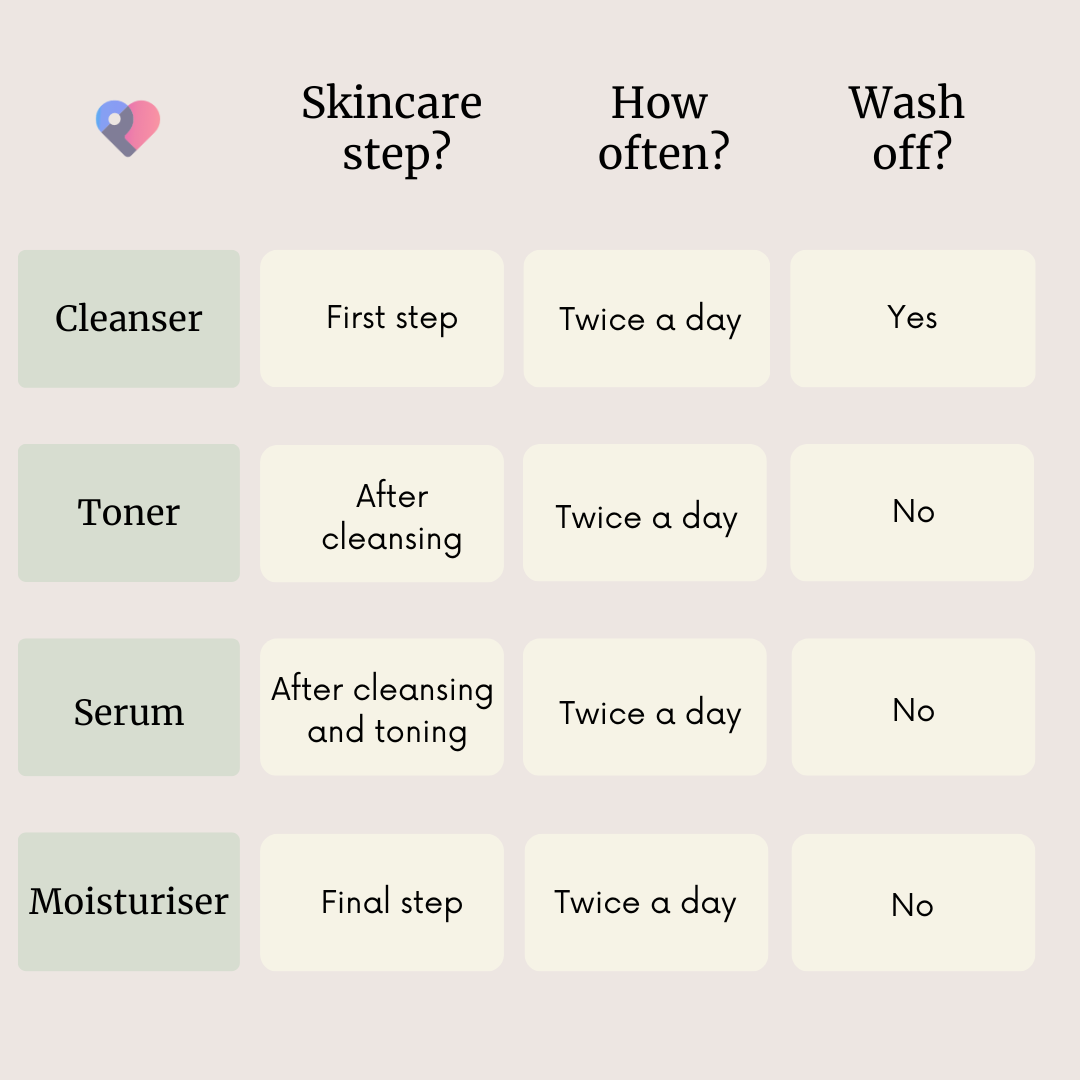
"If you're using hyaluronic acid serum, apply it to damp skin," Semkova adds. "This will help to lock in even more skin moisture."
Are all hyaluronic acid products equally good?
If you really want to make sure you're getting the best results possible out of your chosen product, you'll need to delve a little deeper - to a molecular level.
The size of the hyaluronic acid molecules - the smallest particles of a given substance - can vary in cosmetic products. Research suggests that this size matters because this determines its biological properties.
This is known as molecular weight, and it's measured in unified atomic mass units, otherwise known as daltons (1000 daltons represented as kDa).
Different molecular weights penetrate to different levels of the skin:
Low molecular weight
The lower the molecular weight, the smaller the molecules.
Smaller molecules are able to reach deeper into the skin.
This adds additional hydration, which is more easily stored and retained, making it more long-lasting.
High molecular weight
The higher the molecular weight, the larger the molecules.
Larger molecules cannot reach into the skin barrier, but instead form a film on the outermost layer.
This provides the most visible results, but the effect is short-term and washes off easily.
Larger molecules have anti-inflammatory properties, so are kinder to skin.
The sweet spot
The 'happy medium' molecular weight is effective in boosting both long-lasting hydration and elasticity on the surface layer.
Several studies place the ideal molecular weight between 80-1,000 kDa.
For example, one study found that anything higher is ineffective at hydrating skin while anything lower makes your skin susceptible to inflammation and skin irritation.
Introducing hyaluronic acid to your skincare routine can provide a range of benefits. If you are seeking medical advice from a dermatologist, then you should discuss your skincare products with them before use.
اختيارات المرضى لـ العناية بالبشرة
صحة الجلد والأظافر والشعر
ما الذي يفعله سيروم فيتامين سي؟
يمكن أن يكون سيروم فيتامين سي عالي الجودة إضافة رائعة لروتين العناية بالبشرة الخاص بك. مع وجود العديد من الخيارات في السوق، إليك كيفية اختيار واحد يحتوي على المكونات الأكثر فعالية والمدعومة علمياً.
بقلم فيكتوريا راو
صحة الجلد والأظافر والشعر
هل الألوة فيرا مفيدة لبشرتك؟
لطالما كان الألوة فيرا خيارًا شائعًا للعناية بالصحة بفضل تأثيراته المهدئة والمرطبة. سواء تم حصاده مباشرة من النبات نفسه أو تم شراؤه كمنتج جاهز، فإنه يعتبر من أفضل الخيارات لتعزيز صحة البشرة. ولكن ما الذي يجعل هذا النبات العصاري الأخضر السمين جيدًا لبشرتنا؟
بقلم فيكتوريا راو
عن المؤلفعرض السيرة الذاتية الكاملة
تم التحديث بواسطة

لين ستيفن
مطوّرة محتوى
ماجستير مع مرتبة الشرف
Lynn joined Patient in 2023 and her role includes checking all the professional leaflets, patient information leaflets and medicine leaflets, to ensure consistency of spelling, grammar, reference material and brand style, working with the medical authors and clinical director to coordinate the authoring and peer reviewing of the leaflets.
كتبه

Amberley Davis
كاتب أول
بكالوريوس (مع مرتبة الشرف)، التنمية المهنية المستمرة
أمبرلي كاتبة كبيرة في موقع Patient وقد كتبت بشكل مكثف حول مجموعة من مواضيع الصحة والرفاهية.
حول المراجععرض السيرة الذاتية الكاملة

الدكتور كولين تايدي، MRCGP
طبيب عام، مؤلف طبي
MBBS, MRCGP, MRCP (Paediatrics), DCH
الدكتور كولين تايدي هو طبيب في هيئة الخدمات الصحية الوطنية، ويعمل في أوكسفوردشاير.
تاريخ المقال
المقال متاح أيضًا باللغة الإنجليزية, الألمانية, إسبانية, الفرنسية, إيطالي, البرتغالية, الهندية, العبرية, العربية ,، و السويدية.
Next review due: 25 Nov 2028
25 Nov 2025 | أحدث إصدار
28 Jul 2022 | نُشر في الأصل
كتبه:
Amberley Davis
شارك أفكارك أو تجاربك مع الآخرين في مجتمعات المرضى.
اشترك في النشرة الإخبارية للمرضى
جرعتك الأسبوعية من النصائح الصحية الواضحة والموثوقة - مكتوبة لمساعدتك على الشعور بالاطلاع والثقة والتحكم.
من خلال الاشتراك، فإنك تقبل سياسة الخصوصية. يمكنك إلغاء الاشتراك في أي وقت. نحن لا نبيع بياناتك أبدًا.