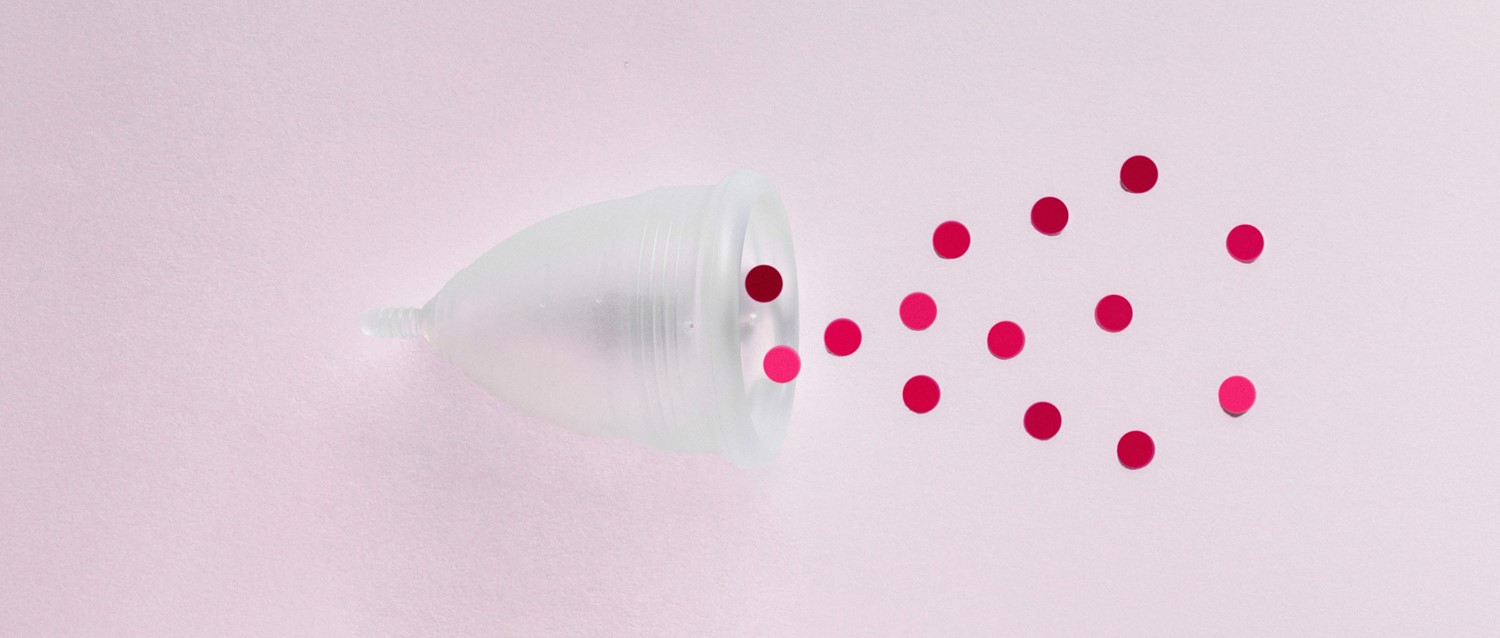
Menstrual cups as safe and effective as pads and tampons
Peer reviewed by Natalie HealeyAuthored by Milly EvansOriginally published 17 Jul 2019
Meets Patient’s editorial guidelines
- DownloadDownload
- Share
- Language
- Discussion
- Audio Version
- Add to preferred sources on Google
The first ever scientific review of menstrual cups has found that they are safe to use and are as, if not more, effective than other sanitary products.
Published in The Lancet Public Health, the findings from 43 studies and data from 3,300 women and girls found that not only are menstrual cups safe, but they may actually result in similar or lower leakage than disposable pads and tampons. Results from 13 of the studies found that 70% of women wanted to continue using menstrual cups after they were introduced to them but found that practice, peer support and training were key to successful use.
Menstrual cups are a form of reusable menstrual protection, normally made from medical grade silicone, rubber, latex or elastomer, which collect blood rather than absorbing it. They need to be emptied every four to 12 hours, depending on the cup and the user's blood flow. There are two types of menstrual cup: vaginal and cervical.
They are often marketed as an eco-friendly and cost-effective alternative to pads and tampons as they can be reused for up to 10 years and for many people replace disposable products. It is estimated that over 10 years, a cup creates only 0.4% of the plastic waste of single-use pads or 6% of the waste of tampons. The costs of the cups vary but on average could cost 5-7% of the price of 12 pads or tampons per period. The authors stressed the need to look further at the cost-effectiveness and environmental effects of different products.
Researchers found a lack of high-quality research into menstrual cups, despite their effectiveness. Senior author, Professor Penelope Phillips-Howard from the Liverpool School of Tropical Medicine reflected that this was concerning due to the volume of women who experience menstruation on a daily basis. "Despite the fact that 1.9 billion women globally are of menstruating age - spending on average 65 days a year dealing with menstrual blood flow, few good-quality studies exist that compare sanitary products," she explained. "We aimed to address this by summarising current knowledge about leakage, safety, and acceptability of menstrual cups, comparing them to other products where possible."
Many of these menstruators live in low-income and middle-income countries where access to safe menstrual products is lower, resulting in the use of often unsanitary methods of protection such as cloths, cotton wool, tissue paper and other materials. Chafing and leakage are among the concerns of those using these materials.
For some women and girls, access to menstrual products can affect school and work, increase their risk of sexual health problems and even put them at risk of sexual violence or coercion when they cannot afford menstrual protection. Researchers highlight that as campaigns against 'period poverty' gain momentum worldwide, it is important that policy makers know which menstrual products need to be discussed.
The review reveals a distinct lack of information for the public about menstrual cups. Although there are 199 brands of menstrual cups, of 69 websites with educational materials on puberty from 27 countries, only 21 mentioned cups. As such, awareness of menstrual cups as an option is low. Only 11-33% of women in high-income countries knew about them.
Three studies found similar levels of leakage to disposable pads and tampons and one study found significantly less leakage. Where leaking was reported from users of menstrual cups, it was associated with abnormally heavy bleeding, unusual anatomy of the uterus, requiring a larger cup, the cup becoming full or incorrect placement.
The need for professional assistance removing the cups was reported twice for vaginal cups and 47 times for cervical cups. In 13 cases, the removing of a menstrual cup was linked to an IUD coming displaced, although there needs to be further research to explore this connection. For users of menstrual cups involved in the review, five women experienced pain, three had vaginal wounds, six reported an allergy or rash and nine reported urinary tract complaints.
The authors of the review found no increased risk of infection associated with using menstrual cups among European, North American and African women and girls. There were five reported cases of toxic shock syndrome but it is not possible to compare this risk to other products as the overall number of menstrual cup users is unknown. Four studies showed no adverse effects on the vaginal flora and other studies looking at the vagina and cervix found no tissue damage after use.
In a linked comment, Dr Julie Hennegan from the Johns Hopkins Bloomberg School of Public Health, USA, suggested that these results should be viewed as encouraging to the general public. "For consumers purchasing menstrual products, the results highlight cups as a safe and cost-effective option. Critically, findings indicate that menstrual education resources are not providing a comprehensive overview of products to support informed choices. Authors found that awareness of menstrual cups was low, and that only 30% of websites with educational materials on menarche included information about menstrual cups," she said.
This review was published in The Lancet Public Health.
Patient picks for Periods and period problems
Women's health
Are period blood clots normal?
Ever wondered what those icky-sticky, thick clumps of blood in your period are? They're known as menstrual clots, or period blood clots, and they're formed from a mixture of blood cells, tissue from the lining of the womb, and proteins from your blood.
by Sarah Graham
Women's health
How to manage your period in school
Most girls start their periods between 9 and 16 years old, and around half are dealing with them by age 12. This makes school a main setting for first periods, painful cramps, and heavy flows - all of which can be hard for girls to navigate without the right know-how. Our guide to periods at school is here to help get you or your child period-ready in the classroom. We explore tips and tricks to ease period pain and manage heavy periods, before asking if UK schools are doing enough to support hygienic and discreet period care.
by Amberley Davis
About the authorView full bio

Milly Evans
Editor
Milly writes on a range of health topics, with a particular interest in health inequality and sexual health.
About the reviewerView full bio

Natalie Healey
Freelance journalist
BSc (Hons) Biomedical Science
She is a London-based health journalist who has been writing about science and medicine for several years. She is the former head of editorial at Patient.
Article history
Article also available in English, German, Spanish, French, Italian, Portuguese, Hindi, Hebrew, Arabic, and Swedish.
17 Jul 2019 | Originally published
Authored by:
Milly EvansPeer reviewed by
Natalie Healey
Join the conversation
Share your thoughts or experiences with others in our patient communities.

Ask, share, connect.
Browse discussions, ask questions, and share experiences across hundreds of health topics.

Feeling unwell?
Assess your symptoms online for free
Sign up to the Patient newsletter
Your weekly dose of clear, trustworthy health advice - written to help you feel informed, confident and in control.
By subscribing you accept our Privacy Policy. You can unsubscribe at any time. We never sell your data.
More in women's health
- 7 tips to help relieve endometriosis pain
- Can you prevent breakthrough bleeding on the pill?
- Contraception videos
- UpdatedFlax seeds: a secret weapon for women's health?
- How to manage your period in school
- How to orgasm more easily during sex
- HRT: fact-checking risks and benefits
- Is your period causing your migraines?
- Perimenopause and birth control - how the pill can affect your symptoms
- Period poverty: a public health crisis
- Swap beef for chicken to reduce breast cancer risk, suggests study
- What it’s like to have pelvic inflammatory disease
- What to do about contraception after giving birth
- What your vaginal discharge could be trying to tell you
- What's behind the HRT shortage in the UK?
- What's the link between hair relaxers and fibroids?
- What's the recommended calorie intake for women?
- When will I become fertile again after coming off contraception?
- Which types of condoms are best for preventing pregnancy?
- Will HRT for menopause soon be free over the counter?