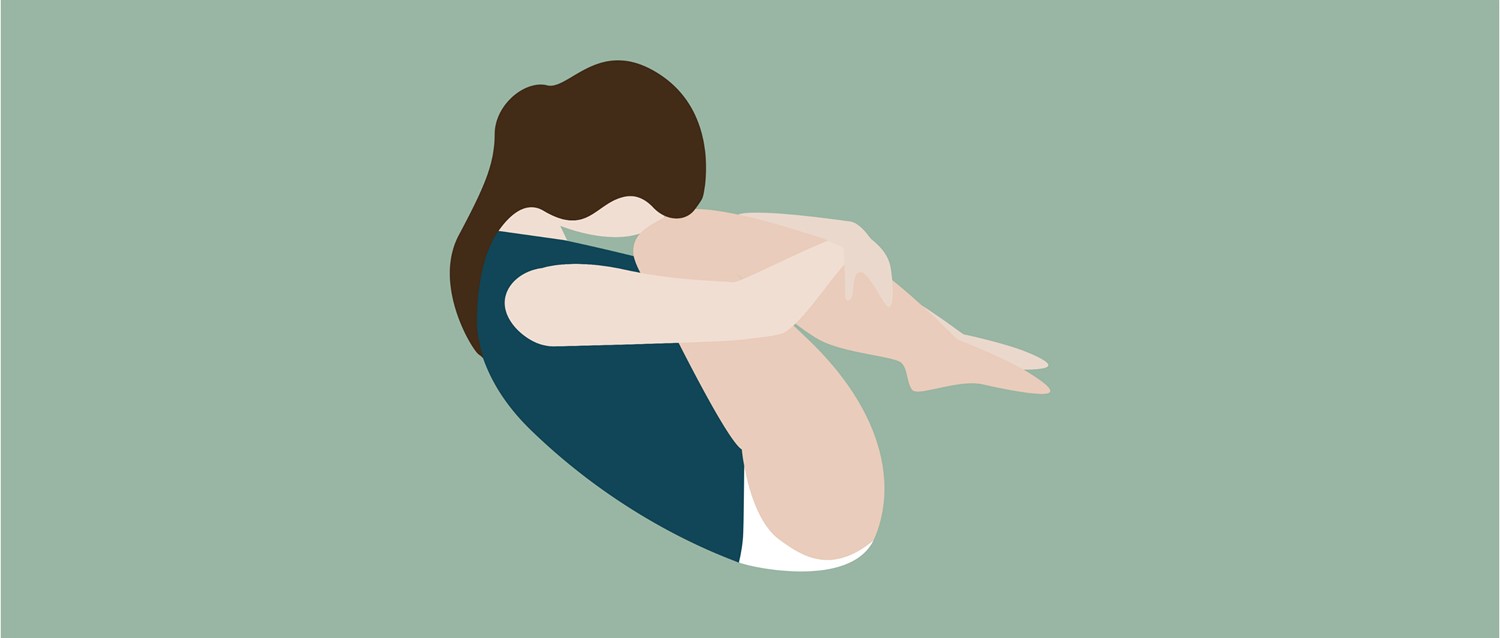
What it’s like to have pelvic inflammatory disease
Peer reviewed by Dr Sarah JarvisAuthored by Karen GordonOriginally published 28 Dec 2017
Meets Patient’s editorial guidelines
- DownloadDownload
- Share
- Language
- Discussion
- Audio Version
- Add to preferred sources on Google
Pelvic inflammatory disease (PID), an infection of a woman's reproductive organs affecting the womb, Fallopian tubes and ovaries, is a devastating condition that can cause chronic pain and infertility. The common condition predominantly affects women who are sexually active between the ages of 15 and 24.
Laura, 30, from South London, was in her late teens when she started suffering from constant lower abdominal pain. "The level of pain would just get worse to the point where it crippled me and I would spend days in bed and then it would change again to a more manageable level," she says. "I completely forgot what it was like to be pain-free. These symptoms were also accompanied by very painful heavy irregular periods, as well as spotting."
Laura was referred to a gynaecologist and was tested for sexually transmitted infections (STIs), which came back negative. "The gynaecologist told me I was a typical teenager with heavy periods and diagnosed me with irritable bowel syndrome (IBS)," she says.
A diagnosis
Because PID often doesn't have any obvious symptoms, it can go unrecognised by women and their doctors. When present, they can include lower abdominal or pelvic pain, discomfort during sex, pain whilst urinating, spotting between periods and abnormal vaginal discharge.
According to Professor Ying Cheong, a member the Wellbeing of Women Research Advisory Committee, women can often be diagnosed after they become very ill with severe lower abdominal pain, nausea/vomiting and a fever.
Laura was diagnosed with PID following an emergency hospital admission for suspected appendicitis. She says, "I had two days of tests, and a transvaginal scan to check my ovaries found my left Fallopian tube was filled with fluid, which was caused by PID."
Since Laura's diagnosis, she's had surgery to remove pelvic scar tissue, which she says has left her with very little pain.
The causes and complications of PID
There are a number of causes of PID; however, in most cases it's caused by a bacterial infection, from an STI such as chlamydia or gonorrhoea. It can also be caused by bacteria that already live in the vagina, which have spread from the vagina or the cervix to the reproductive organs, says Dr Hemlata Thackare, consultant gynaecologist and IVF specialist at the London Women's Clinic .
"PID can also occur if you've had an invasive procedure that involves opening the cervix, such as an abortion, inspection of the womb, or insertion of an intrauterine contraceptive device like the coil," she says.
Left untreated, the consequences of PID can be devastating. Dr Hemlata says it has the potential to leave some women infertile if they have recurrent bouts or if they receive delayed treatment.
"PID can cause the Fallopian tubes to become scarred and narrowed by the inflammation and infection, which can prevent eggs from passing through the ovaries efficiently into the womb. As a result, this can also increase your chances of having an ectopic pregnancy, when egg implantation takes place within the Fallopian tubes instead of the womb," she says.
"It's important to seek medical help if you think you may have the condition and take a diagnosis very seriously," advises Dr Hemlata.
"If diagnosed early, PID can be treated by your GP or sexual health clinic using antibiotics, which usually last around two weeks in duration. You will be provided with a mixture of antibiotics to cover the most likely infections," she says.
For Laura, PID has led to fertility complications due to both her Fallopian tubes being blocked, leaving IVF as her only option of conceiving.
Support for PID
"There is definitely not enough support out there," explains Laura. "I've had to do a lot of my own research as I was given little information. Doctors and work places don't understand how debilitating it can be."
She advises other women to get regularly checked for STIs. "If the doctors don't believe your symptoms and you're adamant something's not right with your body, don't ignore it. Push for a diagnosis, ask for second opinions - we know our own body and when something's not right listen to what it's telling you. Don't ever let yourself be in the position I am in now: battling chronic pain and struggling with fertility issues."
For more information and support for PID, visit Pelvic Pain Support Network.
Patient picks for General women's health

Women's health
Women in gambling: the hidden addiction
Many of us believe 'having a little flutter' now and again is a harmless form of fun. But worrying statistics from the gambling charity GambleAware show that up to 1 million women in the UK are at risk from gambling harm. All too often, gambling leads to stress, anxiety and a compulsion to keep going, hoping to make back what you've lost. Women are more likely to feel judged if they admit to gambling, so often struggle in silence.
by Dr Sarah Jarvis
Women's health
What is abnormal uterine bleeding and when should I worry?
Although some women get their period like clockwork, a period that's a little early or late, or occasionally a bit heavier or lighter is not unusual or alarming. You can also bleed in between periods and sometimes after sex - here we look at when to worry and what to do.
by Dr Claudia Berty, MRCGP
About the authorView full bio

Karen Gordon
Freelance Journalist
NCTJ
Karen is an NCTJ-qualified freelance journalist with a special interest in health.
About the reviewerView full bio

Dr Sarah Jarvis
Clinical Consultant
MA (Cantab), BM, BCh (Oxon), DRCOG, FRCGP, MBE
After training in medicine at Cambridge and Oxford, Dr Sarah Jarvis MBE became a GP.
Article history
Article also available in English, German, Spanish, French, Italian, Portuguese, Hindi, Hebrew, Arabic, and Swedish.
28 Dec 2017 | Originally published
Authored by:
Karen GordonPeer reviewed by
Dr Sarah Jarvis
Join the conversation
Share your thoughts or experiences with others in our patient communities.

Ask, share, connect.
Browse discussions, ask questions, and share experiences across hundreds of health topics.

Feeling unwell?
Assess your symptoms online for free
Sign up to the Patient newsletter
Your weekly dose of clear, trustworthy health advice - written to help you feel informed, confident and in control.
By subscribing you accept our Privacy Policy. You can unsubscribe at any time. We never sell your data.
More in women's health
- 7 tips to help relieve endometriosis pain
- Can changing your diet improve PMS?
- Can menstrual cups help fight period poverty?
- How to ease your menopause sleep problems
- Is adenomyosis the cause of your heavy, painful periods?
- Is it normal to experience ovulation pain?
- Is your period causing your migraines?
- Living with HRT
- Menstrual cups as safe and effective as pads and tampons
- Perimenopause and birth control - how the pill can affect your symptoms
- Personalised blood test detects return of breast cancer
- Should you exercise during period times?
- Vaginal ‘health gummies’ - Why the trend for improving our vaginas is harmful
- Video: How does PID affect fertility?
- What causes heavy periods and abnormal vaginal bleeding?
- What causes menopause dizziness, and how can you manage it?
- What HRT did for me
- What it's like to go through the menopause when you have HIV
- Why are more young women losing their periods due to restrictive diets and excessive exercise?
- Will HRT for menopause soon be free over the counter?