Osler-Weber-Rendu syndrome
Peer reviewed by Dr Hayley Willacy, FRCGP Last updated by Dr Colin Tidy, MRCGPLast updated 25 May 2016
Meets Patient’s editorial guidelines
- DownloadDownload
- Share
- Language
- Discussion
- Audio Version
- Add to preferred sources on Google
This page has been archived.
It has not been reviewed recently and is not up to date. External links and references may no longer work.
Osler-Weber-Rendu syndrome is a disorder of the blood vessels that can cause excessive bleeding. Osler-Weber-Rendu syndrome is also called hereditary haemorrhagic telangiectasia. The abnormal blood vessels can cause bleeding both into the skin and inside your body.
At a glance
Osler-Weber-Rendu syndrome is a rare inherited condition.
It causes abnormal blood vessels in various parts of the body.
Common symptoms include recurrent nosebleeds and red spots on the skin.
Complications can include severe bleeding, heart failure, or lung problems.
Treatments include surgery, laser treatment, or medicines.
What is Osler-Weber-Rendu syndrome?
People with Osler-Weber-Rendu syndrome can develop abnormal blood vessels in several areas of the body. These vessels are called arteriovenous malformations. The abnormal blood vessels in the skin are called telangiectasias. There are also abnormal connections between arteries and capillaries (called arteriovenous malformations, or AVMs). These AVMs particularly occur in the lungs, liver and brain.
What causes Osler-Weber-Rendu syndrome?
Osler-Weber-Rendu syndrome is inherited, which means it is passed down through families. Scientists have identified four genes involved in this condition. All these genes appear to be important for blood vessels to develop properly.
How common is Osler-Weber-Rendu syndrome?
Osler-Weber-Rendu syndrome is uncommon and occurs in about 1 in 6,000 people.
Symptoms
The symptoms will depend on the location of the abnormal blood vessels. The first symptom is often recurrent nosebleeds as a teenager. Abnormal blood vessels (telangiectasias) in the skin are often not seen until 20-30 years of age. Abnormal blood vessels also often occur on the lips, tongue and the lining of the nose. They may also occur on the white surface of the eye (conjunctiva), lining of the gut (gastrointestinal tract), lungs, brain and liver.
Therefore, the symptoms may include:
Abnormal blood vessels on the skin, lips and white surface of your eyes.
Bringing up (vomiting) blood or passing very dark stools (faeces) - bleeding from your gut.
Headaches, fits (seizures) and bleeding into the brain (stroke).
Coughing up blood - bleeding into the lungs (which is called haemoptysis).
Tiredness, weakness and feeling faint (symptoms of anaemia caused by bleeding inside your body).
Abnormal blood vessels in the liver may cause increased blood flow in the liver. This may cause heart failure with shortness of breath.
How is Osler-Weber-Rendu syndrome diagnosed?
Tests to diagnose Osler-Weber-Rendu syndrome include blood tests, scans of your heart (called an echocardiogram), using an endoscope to look at both ends of your gut (bowel), CT scans and MRI scans. Genetic testing is used to look for changes in the genes associated with Osler-Weber-Rendu syndrome. Genetic testing can also be used to see if anyone else in your family also has an abnormal gene (mutation).
Treatment
Severe bleeding may need a blood transfusion. Surgery, local intense heat treatment (electrocautery) or laser treatment may also be needed for areas of bleeding.
Arteriovenous malformations (AVMs) can be treated by injecting a substance into the blood vessel (embolisation) to block the abnormal blood vessel.
Female hormones (oestrogens) have been shown to be effective. The combined oral contraceptive pill (containing oestrogen and progestogen) is often used for women who have Osler-Weber-Rendu syndrome.
Complications
The complications of Osler-Weber-Rendu Syndrome may include severe bleeding (haemorrhage), heart failure and high blood pressure in the lungs (pulmonary hypertension). Severe liver disease (liver cirrhosis) may occur in a small number of those with this condition.
What is the outlook (prognosis)?
There is usually no effect on lifespan. However, severe internal bleeding or severe liver disease (liver cirrhosis) may cause early death.
Patient picks for Blood vessel disorders
Heart health and blood vessels
Coronary artery spasm
Coronary artery spasm is a temporary, sudden narrowing of one or more of the coronary arteries.
by Dr Hayley Willacy, FRCGP
Heart health and blood vessels
Superficial thrombophlebitis
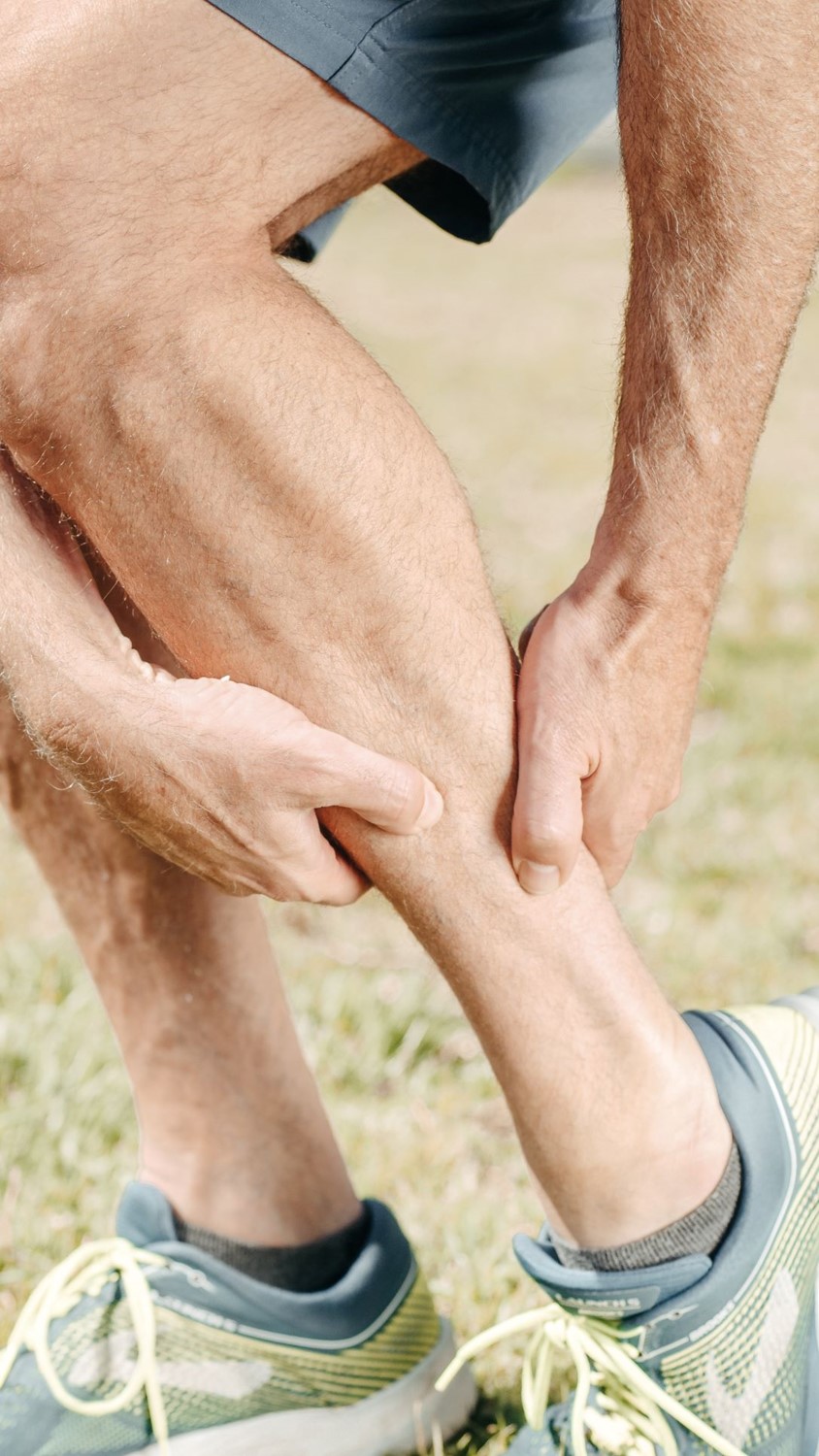
Superficial thrombophlebitis is inflammation of a vein just under the skin, usually in the leg. A small blood clot also commonly forms in the vein, but is usually not serious. The condition usually settles and goes within 2-6 weeks. Treatments can ease pain or discomfort. Superficial thrombophlebitis is different to, and much less serious than, deep vein thrombosis (DVT). However, in a small number of cases, complications can occur with superficial thrombophlebitis, including extension of the blood clot further up the vein. If the clot extends to where the superficial and deep, larger veins join, a DVT can develop.
by Dr Toni Hazell, FRCGP
Frequently asked questions
Can Osler-Weber-Rendu syndrome affect children?
The article mentions that nosebleeds, often the first symptom, can appear during teenage years. It also states that abnormal blood vessels in the skin may not be visible until a person is 20-30 years old.
Are there any specific lifestyle changes I should make if I have Osler-Weber-Rendu syndrome?
The article does not suggest any specific lifestyle changes for managing Osler-Weber-Rendu syndrome. It focuses on the inheritance, symptoms, diagnosis, and medical treatments available for the condition.
How often should I be monitored if I have Osler-Weber-Rendu syndrome?
The article does not specify a frequency for monitoring individuals with Osler-Weber-Rendu syndrome. It describes various diagnostic tests used to identify the condition and its manifestations.
Is it possible for Osler-Weber-Rendu syndrome to skip a generation?
The article highlights that Osler-Weber-Rendu syndrome is inherited and passed down through families. It also mentions that genetic testing can determine if other family members carry an abnormal gene, implying direct inheritance rather than skipping generations.
If I have Osler-Weber-Rendu syndrome, are my children guaranteed to inherit it?
The article notes that Osler-Weber-Rendu syndrome is inherited, meaning it is passed down through families, but it does not specify the exact pattern of inheritance or the probability of a child inheriting it. It confirms the involvement of four genes important for blood vessel development.
Further reading and references
- Begbie ME, Wallace GM, Shovlin CL; Hereditary haemorrhagic telangiectasia (Osler-Weber-Rendu syndrome): a view from the 21st century. Postgrad Med J. 2003 Jan;79(927):18-24.
- Garg N, Khunger M, Gupta A, et al; Optimal management of hereditary hemorrhagic telangiectasia. J Blood Med. 2014 Oct 15;5:191-206. doi: 10.2147/JBM.S45295. eCollection 2014.
- Shovlin CL, Guttmacher AE, Buscarini E, et al; Diagnostic criteria for hereditary hemorrhagic telangiectasia (Rendu-Osler-Weber syndrome). Am J Med Genet. 2000 Mar 6;91(1):66-7.
- McDonald J, Wooderchak-Donahue W, VanSant Webb C, et al; Hereditary hemorrhagic telangiectasia: genetics and molecular diagnostics in a new era. Front Genet. 2015 Jan 26;6:1. doi: 10.3389/fgene.2015.00001. eCollection 2015.
About the authorView full bio

Dr Colin Tidy, MRCGP
General Practitioner, Medical Author
MBBS, MRCGP, MRCP (Paediatrics), DCH
Dr Colin Tidy is an NHS Doctor, based in Oxfordshire.
About the reviewerView full bio

Dr Hayley Willacy, FRCGP
General Practitioner, Medical Author
MBChB (1992), DRCOG, DFFP, MRCOG (Part 1) MRCGP (2007), DFSRH (2013), MSc - medical education (2020)
Dr Hayley Willacy was an NHS GP working in northwest England, who retired from clinical practice in 2022 after 30 years.
Article history
Article also available in English, German, Spanish, French, Italian, Portuguese, Hindi, Hebrew, Arabic, and Swedish.
25 May 2016 | Latest version
Join the conversation
Share your thoughts or experiences with others in our patient communities.

Ask, share, connect.
Browse discussions, ask questions, and share experiences across hundreds of health topics.

Feeling unwell?
Assess your symptoms online for free
Sign up to the Patient newsletter
Your weekly dose of clear, trustworthy health advice - written to help you feel informed, confident and in control.
By subscribing you accept our Privacy Policy. You can unsubscribe at any time. We never sell your data.
More in heart health and blood vessels
- Abnormal heart rhythms
- Beta-blockers
- Buerger's disease
- Cardiac enzymes
- Cardiovascular disease
- Dilated cardiomyopathy
- Familial hypercholesterolaemia
- Giant Cell Arteritis
- Heart attack
- Heart attack recovery
- Heart disease
- Heart failure
- Heart palpitations
- Heart valve disease
- Hyperlipidaemia
- Low blood pressure
- Pericarditis
- Peripheral vasodilators
- Postural tachycardia syndrome
- Pulmonary oedema