لماذا انخفاض نسبة السكر في الدم خطير
مراجعة من قبل الدكتورة هايلي ويلاسي، زميلة الكلية الملكية للأطباء العامين كتبه الدكتورة سارة جارفيسنُشر في الأصل 21 ديسمبر 2017
يتوافق مع الإرشادات التحريرية
- تنزيلتنزيل
- مشاركة
- Language
- نقاش
- Ask Patient
- نسخة صوتية
- أضف إلى المصادر المفضلة على جوجل
Hypoglycaemia, or low blood sugar, is often known as a 'hypo'. It can make you feel unwell and affect your ability to drive. Simple steps will reduce the risk, and allow you to treat a hypo early, before it causes more serious complications.
اشترك في دورة السكري المجانية لمدة 10 أسابيع!
كل أسبوع، سنستكشف موضوعًا مختلفًا لمساعدتك على فهم وإدارة مرض السكري بشكل أفضل، بما في ذلك الحياة اليومية والأدوية، والصحة النفسية، وآخر التطورات في تكنولوجيا السكري، والتغذية.
من خلال الاشتراك، فإنك تقبل سياسة الخصوصية. يمكنك إلغاء الاشتراك في أي وقت. نحن لا نبيع بياناتك أبدًا.
Blood sugar - what's normal?
Under normal circumstances, your body does a remarkable job of keeping your blood sugar (in the form of glucose) stable. Usually your body releases a hormone called insulin, produced by your pancreas, in response to rises in blood sugar. Your body's cells need glucose as fuel to allow them to function. Insulin acts as a 'key', opening the door of your cells to allow glucose in. Another hormone helps raise your blood sugar if it gets too low.
Your blood sugar, which is measured in millimoles per litre or mmol/L, is usually maintained between 4 and 6 mmol/L when you're fasting, and up to 7.8 mmol/L two hours after a meal. Diabetes is diagnosed on the basis of raised blood glucose.
Hypos - what causes them?
الأشخاص الذين لديهم داء السكري من النوع 1 حاجة الأنسولين in injection form, because they don't produce any insulin of their own. People with داء السكري من النوع 2 sometimes need insulin if their blood sugar can't be controlled with other tablets. If you're using insulin injections, the amount of insulin you need depends on lots of factors, including how much food you've eaten. More insulin than you need can drop your blood sugar below normal levels, causing a 'hypo'.
So too can some tablets used in type 2 diabetes, particularly السلفونيل يوريا, nateglinide and repaglinide, which act by making your body produce more insulin.
What symptoms do hypos cause?
If your blood sugar drops below about 4 mmol/L, you may experience:
Feeling weak or tired and hungry.
Feeling shaky and sweaty, with cold, clammy skin.
Irritability and poor concentration.
Headache and feeling sick.
خفقان.
رؤية ضبابية.
If your blood sugar continues to drop, you may develop:
Confusion and drowsiness.
Poor co-ordination.
Difficulty speaking.
Irrational behaviour.
Collapse and loss of consciousness.
In very severe cases, hypoglycaemia can be fatal.
How can I avoid hypos?
If you have type 1 diabetes, you'll often be encouraged to control your blood sugar to almost the same levels as someone who doesn't have diabetes, especially if you're young and don't have complications of diabetes or other medical conditions. This is because high blood glucose in the long term is linked to damage to your الكلى, eyes, nerves, feet and heart. However, keeping tight control of your blood glucose does increase the risk of hypos.
Having said that, there are lots of steps you can take to reduce the risk of hypos. These include:
Not skipping or delaying snacks or meals.
Learning about the right dose of insulin you need for a given amount of carbohydrate.
Adjusting your insulin if you're exercising vigorously.
Avoiding alcohol, and particularly drinking on an empty stomach.
Speaking to your medical team in advance of situations where your normal eating will be disrupted (eg, at Ramadan, if you're travelling or working shifts) so you can work together to adjust your insulin dose.
If you're taking sulfonylurea tablets and getting symptoms that you think may be hypos, speak to your team. They may be able to change your medication, as there are many alternative treatments for type 2 diabetes that don't cause hypos.
Keeping a supply of sugary drink, fruit juice or glucose tablets to hand at all times, so you can treat symptoms early.
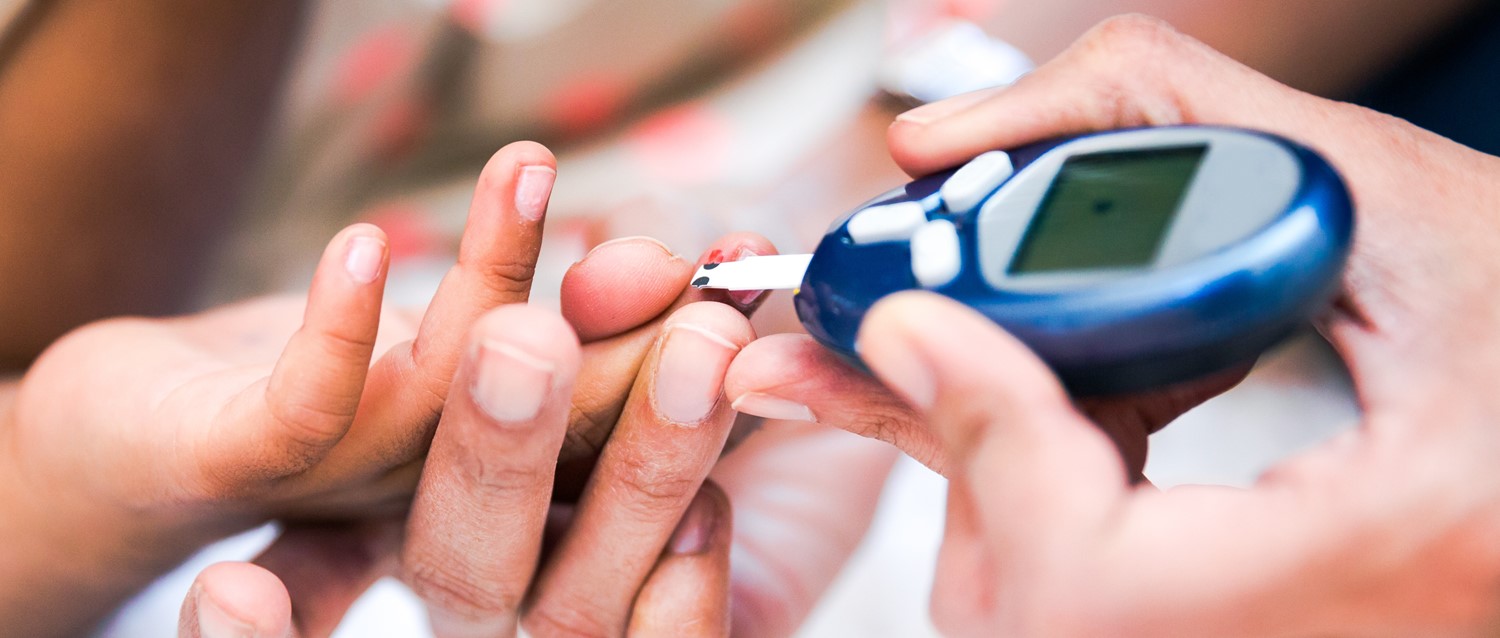
Checking your blood glucose regularly.
If, despite all your best efforts, you continue to suffer from frequent and debilitating hypos, you may be eligible for one of the newer continuous glucose monitoring options. The Freestyle Libre monitoring system has now been added to the NHS drug tarrif, and others may follow for people with type 1 diabetes.
How often should I check my blood sugar?
Not everyone with type 2 diabetes needs to check their own blood glucose - it's usually recommended only if you're taking sulfonylurea tablets or insulin injections. Obviously you still need to attend for regular diabetes checks, where your blood sugar and HbA1c will be monitored. HbA1c is a measure of your average blood glucose control over the last three months.
If you have type 1 diabetes, you should always check your blood sugar regularly. Your doctor or nurse will usually recommend that you check at least four times a day, including before each meal and before bed, even if you're not driving.
If you're driving and taking insulin or other medication that could cause hypos, the DVLA recommends that you should check your blood glucose less than two hours before you start driving and every two hours while you are driving.
What should I do if my blood sugar is low?
A 'hypo' is usually defined as a blood glucose below 4 mmol/L. A useful way to remember it is 'Five, don't drive; four is the floor'. In other words, if your blood glucose is below 5 mmol/L, you shouldn't drive. If it's below 4 or you have symptoms of a hypo:
Stop what you're doing (pull over as soon as it's safe if you're driving and take the keys out of the ignition).
Check your blood glucose if you haven't already.
Immediately eat some glucose tablets or sugary sweets (jelly babies are ideal) or drink fruit juice or a sugary drink - the standard recommended amount is 15-20 grams of fast-acting carbohydrate.
Warn anyone you're with about what's happening, so they can help if your symptoms get worse.
Relax for 15 minutes or so while your blood glucose rises.
Check your blood glucose again. Don't drive until at least 45 minutes after it has risen above 5 mmol/L.
You may also need to eat another snack, or a meal if it's due - your medical team can advise.
How can I help if I think someone is having a hypo?
The symptoms of hypos can often be mistaken for drunkenness. So if you see someone acting oddly, especially if you know or suspect they have diabetes, check if they have:
A medical alert bracelet or similar.
An insulin pen or syringe, or glucose testing kit.
Glucose gel or sugary sweets.
Then:
Help them sit down quietly.
If they have their own glucose gel, help them take it.
Otherwise, give them sugary sweets, two teaspoons of sugar, or a glass of sugary drink or fruit juice (even if you're not sure they're having a hypo, it's safer to do this).
Keep a careful eye on their level of responsiveness, breathing and pulse.
If they get better, make sure they check their blood glucose.
If they don't improve, call 999.
اختيارات المرضى لـ داء السكري

السكري
ديابريشن: فك الارتباط بين السكري والاكتئاب
يمكن أن يؤثر السكري في مستوى السكر في الدم وفي حالتك المزاجية، وقد يكون التعامل معه مرهقًا ومتطلبًا. ويعني التعايش مع السكري ضرورة إيلاء اهتمام خاص بصحتك النفسية والجسدية.
بقلم فيكتوريا راو
السكري
تقنية مرض السكري
إدارة مرض السكري تتطلب الكثير من الجهد العقلي والبدني، ولكن التكنولوجيا يمكن أن تساعد في تخفيف بعض من عبء العمل الخاص بك. هنا نلقي نظرة على التكنولوجيا المتاحة، ما تقوم به، وما إذا كانت مناسبة لك.
بقلم لورانس هيغينز
عن المؤلفعرض السيرة الذاتية الكاملة
كتبه

الدكتورة سارة جارفيس
استشاري سريري
MA (Cantab), BM, BCh (Oxon), DRCOG, FRCGP, MBE
بعد التدريب في الطب في كامبريدج وأكسفورد، أصبحت الدكتورة سارة جارفيس حاصلة على وسام الإمبراطورية البريطانية طبيبة عامة.
حول المراجععرض السيرة الذاتية الكاملة

الدكتورة هايلي ويلاسي، زميلة الكلية الملكية للأطباء العامين
طبيب عام، مؤلف طبي
MBChB (1992), DRCOG, DFFP, MRCOG (Part 1) MRCGP (2007), DFSRH (2013), MSc - medical education (2020)
كانت الدكتورة هايلي ويلاسي طبيبة عامة في هيئة الخدمات الصحية الوطنية تعمل في شمال غرب إنجلترا، وتقاعدت من الممارسة السريرية في عام 2022 بعد 30 عامًا.
تاريخ المقال
المقال متاح أيضًا باللغة الإنجليزية, الألمانية, إسبانية, الفرنسية, إيطالي, البرتغالية, الهندية, العبرية, العربية ,، و السويدية.
21 ديسمبر 2017 | نُشر في الأصل
كتبه:
الدكتورة سارة جارفيسمراجعة من قبل
الدكتورة هايلي ويلاسي، زميلة الكلية الملكية للأطباء العامين
شارك أفكارك أو تجاربك مع الآخرين في مجتمعات المرضى.
وصول بسيط إلى العلاجات والخدمات الصحية الموثوقة عبر الإنترنت.
Common conditions
Get help with common conditions through the NHS, without a GP appointment.
 التهاب الجيوب الأنفية الحاد
 التهاب اللوزتين البكتيري
 القوباء
 لدغات الحشرات
 الحزام الناريعدوى المسالك البولية
اشترك في النشرة الإخبارية للمرضى
جرعتك الأسبوعية من النصائح الصحية الواضحة والموثوقة - مكتوبة لمساعدتك على الشعور بالاطلاع والثقة والتحكم.
من خلال الاشتراك، فإنك تقبل سياسة الخصوصية. يمكنك إلغاء الاشتراك في أي وقت. نحن لا نبيع بياناتك أبدًا.