حوّل نومك: دليل للتغلب على الأحلام المجهدة
مراجعة من قبل الدكتور كولين تايدي، MRCGPآخر تحديث بواسطة فيكتوريا راوآخر تحديث 18 مارس 2026
يتوافق مع الإرشادات التحريرية
- تنزيلتنزيل
- مشاركة
- Language
- نقاش
- Ask Patient
- نسخة صوتية
- أضف إلى المصادر المفضلة على جوجل
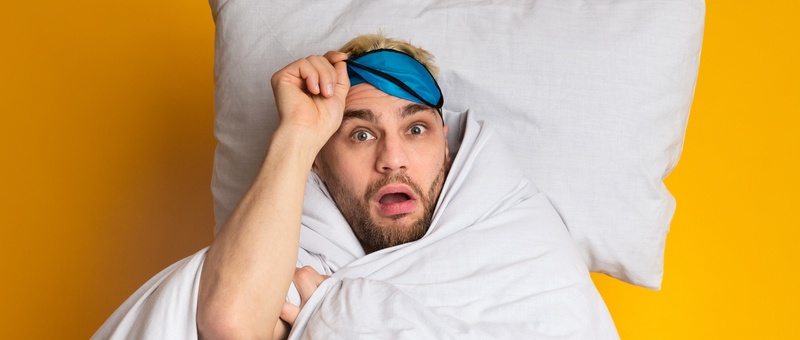
Have you ever dreamt of losing your teeth, being late for an important appointment, standing naked in a crowd - or even all three at once? These are typical examples of stress dreams. While they can leave us feeling anxious, it's important to remember they're not real. However, knowing why they happen and how to stop them can be helpful.
دعم الصحة النفسية للبالغين والأطفال
العلاج السلوكي المعرفي والعلاج النفسي عبر الإنترنت للبالغين والأطفال الذين تتراوح أعمارهم بين 8 و17 عامًا. يقدّم اختصاصيو Onebright المعتمدون الدعم للأشخاص الذين يعانون من القلق والاكتئاب وغيرها من التحديات العاطفية.
We tend to think of dreams as make-believe worlds, separate from our waking life. However, the general anxiety you experience when you're awake can influence and shape your dreams. They can often manifest as stressful dream scenarios inside your subconscious.
Can stress cause bad dreams?
Nightmares are categorised as dreams that make you feel scared and unsafe. Around 5% of adults experience recurring nightmares, often due to real-life stress and anxiety.
Stress dreams - or anxiety dreams - are similar to nightmares, though they're typically less threatening and involve more everyday worries. These can include scenarios such as sitting for an exam you haven't prepared for, getting fired from your job, or experiencing a breakup.
Kristie Tse, Psychotherapist, Uncover Mental Health Counseling, New York, USA says there is a well-documented connection between our waking stress levels and the frequency or intensity of stress dreams.
"When you're under significant stress, your mind continues to process these stressors during sleep - often resulting in vivid and disturbing dreams," she explains. "These dreams can be a reflection of unresolved anxieties, fears, or pressures that you're experiencing in your waking life."
Dr David D. Clarke, President, Psychophysiologic Disorders Association (PPDA) says the frequency of stress-related dreams significantly increases as stress levels rise. People who regularly have nightmares report higher levels of morning and evening stress compared to those who don't.
What causes stress dreams?
Stress dreams can be a direct result of the pressures you experience in your waking life. They may be a way for your mind to cope with or respond to the events and worries that occupy your thoughts.
General anxiety and stress
Everyday concerns and anxieties - even when unnoticed - can trigger stress dreams.
Whether it's worrying about a loved one, or wondering about your own health, Clarke says this underlying stress may reveal itself in dreams - even if you feel you're functioning normally throughout the day.
"People with اضطراب القلق العام tend to experience more stress dreams," he adds. "Genetic analysis has also shown a strong connection between nightmares and anxiety, depression, and posttraumatic stress disorders."
Tse says that high levels of cortisol - your body's primary stress hormone - can disrupt sleep patterns. This can contribute to more frequent awakenings during REM sleep - the stage where most vivid dreaming occurs.
Financial and academic burdens
Life is packed with pressure from all angles - whether it's work stress, academic strain, financial worries, or juggling a hectic life and feeling like you're failing. According to Tse, these are the most common psychological triggers for stress dreams.
"Stress dreams can serve as a manifestation of these concerns - often highlighting areas of life where we feel overwhelmed or a loss of control," she says. "For example, dreams about being chased, falling, or failing a task are common in stress dreams, and typically point to feelings of vulnerability, or fear of failure."
Life transitions
Major life changes can stir up anxiety and uncertainty, which may manifest as stress dreams.
Clarke says: "These can include life changes or events such as weddings, divorce, job loss or bereavement."
These unprocessed emotions can overlap in your dreams, as the whirlwind of daily life overshadows your need to process these changes.
Relationship conflicts
Whether you’ve gone to bed on an argument, are dealing with a rift in a friendship, or find yourself stuck in an unfulfilling relationship, tensions such as these can influence your dreams. Conflicts and unresolved emotions from relationship-related stress can provoke dreams that reflect feelings of fear, insecurity, or sadness.
How to stop stress dreams
Stress less
While it might seem simple, taking time for relaxation techniques such as deep breathing or meditation is one of the best ways to manage your stress, particularly before sleep.
Clarke says that although reducing your everyday stress levels can help prevent stress dreams, there may be deeper-rooted causes that require the support of a mental health professional.
"If there is any question about whether you might suffer from anxiety, depression, and posttraumatic stress disorder then seek professional advice," he says.
Tse says that your doctor may recommend cognitive-behavioural therapy (CBT) to address the underlying causes of your stress and anxiety.
Take regular time for activities you enjoy
Spending time on activities you find personally fulfilling and enjoyable can promote overall relaxation and reduce the frequency of stress dreams.
Clarke recommends activities that have no purpose and are purely for personal pleasure - such as walking in nature, pursuing hobbies, and spending time with people who make you feel positive and confident.
حدّد محفّزاتك
Another important step is to recognise any triggers that consistently raise your stress levels - as they may be linked to past traumas.
"Once these triggers are identified," says Clarke. "It's important to set clear boundaries to limit their impact on your mental health."
Create a bedtime routine
Inconsistent sleep schedules and poor sleep quality can worsen the frequency and intensity of stress dreams.
Tse says: "Maintaining good sleep hygiene - such as setting a regular bedtime, creating a relaxing pre-sleep ritual, and limiting screen time before bed - can limit the occurrence of stress dreams. Avoid consuming stimulants, such as caffeine, as these can disrupt your natural sleep cycle."
It's not unusual for bad dreams to arise from neglecting certain aspects of your health. However, by identifying these sources of stress, managing your stress levels and getting good quality sleep, you're more likely to minimise the effects of stress dreams.
اختيارات المرضى لـ التوتر

صحة القلب والأوعية الدموية
هل يمكن أن يسبب التوتر نوبات قلبية؟
في حين أن التوتر وحده لا يسبب النوبات القلبية بشكل مباشر، إلا أن التوتر طويل الأمد وغير المُدار يمكن أن يزيد من احتمالية حدوثها. في هذه المقالة، نستكشف طرقًا فعّالة لتقليل احتمالية الإصابة بنوبة قلبية ونقدم نصائح عملية لإدارة التوتر.
بقلم فيكتوريا راو

الصحة النفسية
ما هي الأطعمة التي يمكن أن تقلل من التوتر والقلق لديك؟
يمكن أن يكون القلق معقدًا وصعبًا في التعامل معه، ولكن من خلال إجراء تغييرات بسيطة على ما تأكله، قد تلاحظ تحسينات كبيرة في صحتك العقلية. بمساعدة عالم غذاء ومدرب تغذية، نستعرض أفضل الأطعمة للقلق لمساعدتك على استعادة السيطرة.
بقلم لين ستيفن
عن المؤلفعرض السيرة الذاتية الكاملة
تم التحديث بواسطة

Victoria Raw
كاتب مميز
بكالوريوس (مع مرتبة الشرف)، الأدب الإنجليزي
فيكتوريا كاتبة محتوى لدى Patient، وتشمل اهتماماتها الخاصة الصحة النفسية والاتجاهات المجتمعية وتأثير التكنولوجيا في صحتنا.
كتبه
Victoria Raw
كاتب مميز
بكالوريوس (مع مرتبة الشرف)، الأدب الإنجليزي
فيكتوريا كاتبة محتوى لدى Patient، وتشمل اهتماماتها الخاصة الصحة النفسية والاتجاهات المجتمعية وتأثير التكنولوجيا في صحتنا.
حول المراجععرض السيرة الذاتية الكاملة

الدكتور كولين تايدي، MRCGP
طبيب عام، مؤلف طبي
MBBS, MRCGP, MRCP (Paediatrics), DCH
الدكتور كولين تايدي هو طبيب في هيئة الخدمات الصحية الوطنية، ويعمل في أوكسفوردشاير.
تاريخ المقال
المقال متاح أيضًا باللغة الإنجليزية, الألمانية, إسبانية, الفرنسية, إيطالي, البرتغالية, الهندية, العبرية, العربية ,، و السويدية.
المراجعة التالية مستحقة: 17 مارس 2029
18 مارس 2026 | أحدث إصدار
24 سبتمبر 2024 | نُشر في الأصل
كتبه:
Victoria Raw
شارك أفكارك أو تجاربك مع الآخرين في مجتمعات المرضى.
وصول بسيط إلى العلاجات والخدمات الصحية الموثوقة عبر الإنترنت.
Common conditions
Get help with common conditions through the NHS, without a GP appointment.
 التهاب الجيوب الأنفية الحاد
 التهاب اللوزتين البكتيري
 القوباء
 لدغات الحشرات
 الحزام الناريعدوى المسالك البولية
اشترك في النشرة الإخبارية للمرضى
جرعتك الأسبوعية من النصائح الصحية الواضحة والموثوقة - مكتوبة لمساعدتك على الشعور بالاطلاع والثقة والتحكم.
من خلال الاشتراك، فإنك تقبل سياسة الخصوصية. يمكنك إلغاء الاشتراك في أي وقت. نحن لا نبيع بياناتك أبدًا.