Long-chain 3-hydroxyacyl-CoA dehydrogenase deficiency
آخر تحديث 26 يوليو 2023
يتوافق مع الإرشادات التحريرية
- تنزيلتنزيل
- مشاركة
- Language
- نقاش
- Ask Patient
- نسخة صوتية
- أضف إلى المصادر المفضلة على جوجل
Long-chain 3-hydroxyacyl-CoA dehydrogenase (LCHAD) deficiency is a rare condition that prevents the body from converting certain fats to energy, particularly during periods without food (fasting).
اختيارات الفيديو لـ الحالات الوراثيةمكتبة الفيديو
الوصف
Long-chain 3-hydroxyacyl-CoA dehydrogenase (LCHAD) deficiency is a rare condition that prevents the body from converting certain fats to energy, particularly during periods without food (fasting).
Signs and symptoms of LCHAD deficiency typically appear during infancy or early childhood. Many affected infants have feeding difficulties, such as an extreme dislike of certain foods or of eating at all (food or feeding aversion), nausea, and vomiting. Other signs and symptoms include lack of energy (lethargy), low blood glucose (hypoglycemia), weak muscle tone (hypotonia), delayed development of milestones, liver problems, and abnormalities in the light-sensitive tissue at the back of the eye (retina). Affected individuals can have impaired vision or difficulty seeing things far away (myopia) or in low light (night blindness). These vision problems worsen over time. Later in childhood, people with this condition may experience muscle pain, breakdown of muscle tissue (rhabdomyolysis), and a loss of sensation in their arms and legs (peripheral neuropathy). Infants and children with LCHAD deficiency are also at risk of serious heart problems, such as a weakened heart (cardiomyopathy) and heart failure; breathing difficulties; coma; and sudden death.
Problems related to LCHAD deficiency can be triggered when the body is under stress, for example during periods of fasting, illnesses such as viral infections, or weather extremes. This disorder is sometimes mistaken for Reye syndrome, a severe disorder that may develop in children while they appear to be recovering from viral infections such as chicken pox or flu. Most cases of Reye syndrome are associated with the use of aspirin during these viral infections.
Inheritance patterns
The source lists the following possible inheritance patterns: Autosomal recessive. More than one pattern can apply in different cases.
Related genes
Other names
3-hydroxyacyl-CoA dehydrogenase, long chain, deficiency
LCHAD deficiency
Long-chain 3-hydroxy acyl CoA dehydrogenase deficiency
Long-chain 3-hydroxyacyl-coenzyme A dehydrogenase deficiency
Long-chain 3-OH acyl-CoA dehydrogenase deficiency
Trifunctional protein deficiency, type 1
Related patient information and medicines

Patient information leaflet
اختبار بقعة الدم لحديثي الولادة
If your baby was born prematurely (under 32 weeks) then your baby will need a repeat test when they are 28 days old. Medium-chain acyl-Co-A dehydrogenase deficiency (MCADD)- this is a very rare, but potentially life-threatening, inherited disorder, where fat cannot be broken down by the body as well as usual. Babies with this condition develop.

Patient information leaflet
هل يمكنني تناول مخلب الشيطان وفيتامين سي معًا؟
Kidney stones (oxalate) High doses of vitamin C can increase the amount of oxalate in your urine, significantly raising the risk of developing kidney stones, especially if you have a history of them. G6PD deficiency If you have glucose-6-phosphate dehydrogenase (G6PD) deficiency, high doses of vitamin C can cause your red blood cells to break down.
Patient information leaflet
النقرس
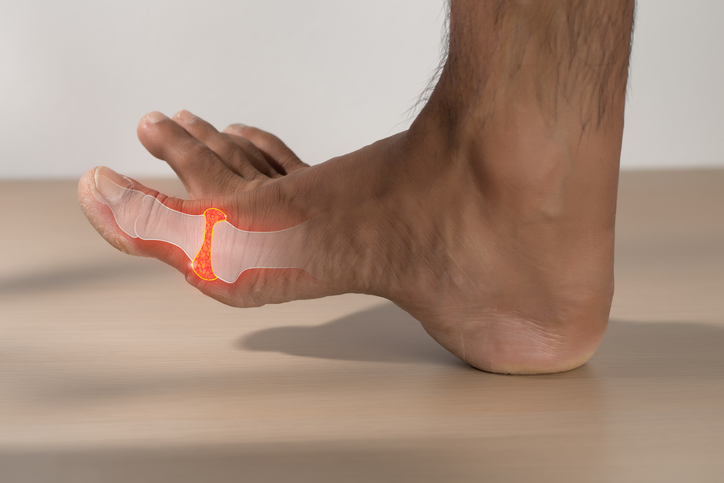
What is gout? | Patient Explainers Gout causes attacks of pain and swelling in one or more joints. Find out more: [/health/gout-leaflet](https://patient.info/health/gout-leaflet) Follow Patient: Website: [/](https://patient.info/) Facebook: [https://www.facebook.com/patient](https://www.facebook.com/patient).

Patient information leaflet
هل يمكنني تناول الجلوكوزامين وفيتامين سي معًا؟
Kidney stones (oxalate) High doses of Vitamin C (typically over 1000mg daily) can increase the amount of oxalate in your urine, significantly raising the risk of developing kidney stones if you are prone to them. نقص G6PD إذا كان لديك glucose-6-phosphate dehydrogenase (G6PD) deficiency, high doses of vitamin C can cause your red blood cells.

Patient information leaflet
هل يمكنني تناول الزنجبيل وفيتامين سي معًا؟
Kidney stones (Calcium oxalate) High doses of Vitamin C can significantly increase the amount of oxalate in your urine, which may lead to the formation of kidney stones, especially if you have a history of them. G6PD deficiency If you have glucose-6-phosphate dehydrogenase (G6PD) deficiency, high doses of vitamin C can cause your red blood cells.

Patient information leaflet
هل يمكنني تناول زيت زهرة الربيع المسائية وفيتامين سي معًا؟
لماذا يحدث هذا Evening primrose oil is a source of omega-6 fatty acids (specifically gamma-linolenic acid), while vitamin C is a water-soluble antioxidant. Kidney stones or kidney disease High doses of vitamin C can increase the amount of oxalate in your urine, s... نقص G6PD إذا كان لديك glucose-6-phosphate dehydrogenase (G6PD) deficiency,.
قراءة إضافية ومراجع
- Long-chain 3-hydroxyacyl-CoA dehydrogenase deficiency; MedlinePlus, National Library of Medicine.
- Angdisen J, Moore VD, Cline JM, Payne RM, Ibdah JA. Mitochondrial trifunctional protein defects: molecular basis and novel therapeutic approaches. Curr Drug Targets Immune Endocr Metabol Disord. 2005 Mar;5(1):27-40. doi: 10.2174/1568008053174796.
- den Boer ME, Wanders RJ, Morris AA, IJlst L, Heymans HS, Wijburg FA. Long-chain 3-hydroxyacyl-CoA dehydrogenase deficiency: clinical presentation and follow-up of 50 patients. Pediatrics. 2002 Jan;109(1):99-104. doi: 10.1542/peds.109.1.99.
- Fahnehjelm KT, Holmstrom G, Ying L, Haglind CB, Nordenstrom A, Halldin M, Alm J, Nemeth A, von Dobeln U. Ocular characteristics in 10 children with long-chain 3-hydroxyacyl-CoA dehydrogenase deficiency: a cross-sectional study with long-term follow-up. Acta Ophthalmol. 2008 May;86(3):329-37. doi: 10.1111/j.1600-0420.2007.01121.x. Epub 2007 Dec 19.
- Gillingham MB, Purnell JQ, Jordan J, Stadler D, Haqq AM, Harding CO. Effects of higher dietary protein intake on energy balance and metabolic control in children with long-chain 3-hydroxy acyl-CoA dehydrogenase (LCHAD) or trifunctional protein (TFP) deficiency. Mol Genet Metab. 2007 Jan;90(1):64-9. doi: 10.1016/j.ymgme.2006.08.002. Epub 2006 Sep 22.
- Oey NA, den Boer ME, Wijburg FA, Vekemans M, Auge J, Steiner C, Wanders RJ, Waterham HR, Ruiter JP, Attie-Bitach T. Long-chain fatty acid oxidation during early human development. Pediatr Res. 2005 Jun;57(6):755-9. doi: 10.1203/01.PDR.0000161413.42874.74. Epub 2005 Apr 21.
- Prasun P, LoPiccolo MK, Ginevic I. Long-Chain Hydroxyacyl-CoA Dehydrogenase Deficiency / Trifunctional Protein Deficiency. 2022 Sep 1. In: Adam MP, Bick S, Mirzaa GM, Wallace SE, Amemiya A, editors. GeneReviews(R) [Internet]. Seattle (WA): University of Washington, Seattle; 1993-2026. Available from http://www.ncbi.nlm.nih.gov/books/NBK583531/
- Rinaldo P, Matern D, Bennett MJ. Fatty acid oxidation disorders. Annu Rev Physiol. 2002;64:477-502. doi: 10.1146/annurev.physiol.64.082201.154705.
- Sims HF, Brackett JC, Powell CK, Treem WR, Hale DE, Bennett MJ, Gibson B, Shapiro S, Strauss AW. The molecular basis of pediatric long chain 3-hydroxyacyl-CoA dehydrogenase deficiency associated with maternal acute fatty liver of pregnancy. Proc Natl Acad Sci U S A. 1995 Jan 31;92(3):841-5. doi: 10.1073/pnas.92.3.841.
- Spiekerkoetter U, Lindner M, Santer R, Grotzke M, Baumgartner MR, Boehles H, Das A, Haase C, Hennermann JB, Karall D, de Klerk H, Knerr I, Koch HG, Plecko B, Roschinger W, Schwab KO, Scheible D, Wijburg FA, Zschocke J, Mayatepek E, Wendel U. Management and outcome in 75 individuals with long-chain fatty acid oxidation defects: results from a workshop. J Inherit Metab Dis. 2009 Aug;32(4):488-97. doi: 10.1007/s10545-009-1125-9. Epub 2009 Apr 29.
- Tyni T, Paetau A, Strauss AW, Middleton B, Kivela T. Mitochondrial fatty acid beta-oxidation in the human eye and brain: implications for the retinopathy of long-chain 3-hydroxyacyl-CoA dehydrogenase deficiency. Pediatr Res. 2004 Nov;56(5):744-50. doi: 10.1203/01.PDR.0000141967.52759.83. Epub 2004 Sep 3.
- Tyni T, Pihko H. Long-chain 3-hydroxyacyl-CoA dehydrogenase deficiency. Acta Paediatr. 1999 Mar;88(3):237-45. doi: 10.1080/08035259950169954.
تاريخ المقال
المقال متاح أيضًا باللغة الإنجليزية, الألمانية, إسبانية, الفرنسية, إيطالي, البرتغالية, الهندية, العبرية, العربية ,، و السويدية.
26 يوليو 2023 | أحدث إصدار
1 Feb 2023 | نُشر في الأصل
شارك أفكارك أو تجاربك مع الآخرين في مجتمعات المرضى.
وصول بسيط إلى العلاجات والخدمات الصحية الموثوقة عبر الإنترنت.
Common conditions
Get help with common conditions through the NHS, without a GP appointment.
 التهاب الجيوب الأنفية الحاد
 التهاب اللوزتين البكتيري
 القوباء
 لدغات الحشرات
 الحزام الناريعدوى المسالك البولية
اشترك في النشرة الإخبارية للمرضى
جرعتك الأسبوعية من النصائح الصحية الواضحة والموثوقة - مكتوبة لمساعدتك على الشعور بالاطلاع والثقة والتحكم.
من خلال الاشتراك، فإنك تقبل سياسة الخصوصية. يمكنك إلغاء الاشتراك في أي وقت. نحن لا نبيع بياناتك أبدًا.