Zellweger spectrum disorder
آخر تحديث 12 أكتوبر 2021
يتوافق مع الإرشادات التحريرية
- تنزيلتنزيل
- مشاركة
- Language
- نقاش
- Ask Patient
- نسخة صوتية
- أضف إلى المصادر المفضلة على جوجل
Zellweger spectrum disorder is a condition that affects many parts of the body. Cases of Zellweger spectrum disorder are often categorizes as severe, intermediate, or mild.
اختيارات الفيديو لـ الحالات الوراثيةمكتبة الفيديو
الوصف
Zellweger spectrum disorder is a condition that affects many parts of the body. Cases of Zellweger spectrum disorder are often categorizes as severe, intermediate, or mild.
Individuals with severe Zellweger spectrum disorder usually have signs and symptoms at birth, which worsen over time. These infants experience weak muscle tone (hypotonia), feeding problems, hearing and vision loss, and seizures. These problems are caused by reduced myelin, which is the covering that protects nerves and promotes the efficient transmission of nerve impulses. The part of the brain and spinal cord that contains myelin is called white matter. Reduced myelin (demyelination) leads to loss of white matter (leukodystrophy).
Children with severe Zellweger spectrum disorder also develop life-threatening problems in other organs and tissues, such as the liver, heart, and kidneys, and their liver or spleen may be enlarged. They may have skeletal abnormalities, including a large space between the bones of the skull (fontanelles) and characteristic bone spots known as chondrodysplasia punctata that can be seen on x-ray. Affected individuals can have eye abnormalities, including clouding of the lenses of the eyes (cataracts) or involuntary, side-to-side movements of the eyes (nystagmus). Severe Zellweger spectrum disorder involves distinctive facial features, including a flattened face, broad nasal bridge, high forehead, and widely spaced eyes (hypertelorism). Children with severe Zellweger spectrum disorder typically do not survive beyond the first year of life.
People with intermediate or mild Zellweger spectrum disorder have more variable features that progress more slowly than those with the severe form. Affected children usually do not develop signs and symptoms of the disease until late infancy or early childhood. Children with these intermediate and mild forms often have hypotonia, vision problems, hearing loss, liver dysfunction, developmental delay, and some degree of intellectual disability. Most people with the intermediate form survive into childhood, and those with the mild form may reach adulthood. In rare cases, individuals at the mildest end of the condition spectrum have developmental delay in childhood and hearing loss or vision problems beginning in adulthood and do not develop the other features of this disorder.
The severe, intermediate, and mild forms of Zellweger spectrum disorder were once thought to be distinct disorders. The severe form was known as Zellweger syndrome, the intermediate form was neonatal adrenoleukodystrophy (NALD), and the mild form was infantile Refsum disease. These conditions were renamed as a single condition when they were found to be part of the same condition spectrum.
Inheritance patterns
The source lists the following possible inheritance patterns: Autosomal recessive. More than one pattern can apply in different cases.
Related genes
Other names
Cerebrohepatorenal syndrome
PBD, ZSS
PBD-ZSD
Peroxisome biogenesis disorders, Zellweger syndrome spectrum
Zellweger spectrum
Zellweger syndrome spectrum
ZSD
Related patient information and medicines
Patient information leaflet
بيتا لاكتامازات واسعة الطيف
Extended-spectrum beta-lactamases (ESBLs) have so far only been reported in certain bacteria called Gram-negative bacterial infections.

Patient information leaflet
اضطرابات طيف فرط الحركة
Hypermobility spectrum disorders include all people with what used to be called joint hypermobility syndrome, and before that benign joint hypermobility syndrome. ... Hypermobility spectrum disorders (HSDs) يكون a group of conditions that involve joint hypermobility (increased range of motion in the joints, sometimes referred to as "loose joints").
Patient information leaflet
اضطرابات الغدة النخامية
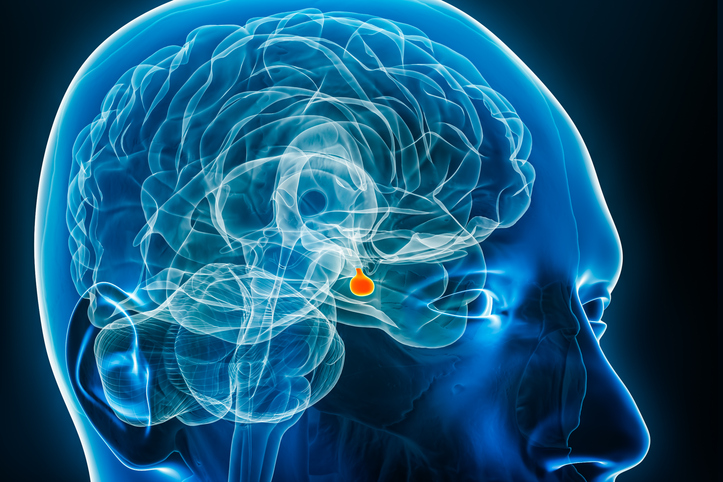
This leaflet gives a brief overview of the pituitary gland and the hormones it makes. The pituitary gland is found at the base of the brain and is 'pea-sized'. The pituitary gland is an overall controller of a number of other glands in the body, overseeing the function of these organs through hormones. Some of the pituitary gland disorders.
Patient information leaflet
اضطرابات الغدد اللعابية
We have a number of salivary glands and they are all situated around the mouth. They produce saliva or spit, and can cause problems when they become inflamed, infected or blocked. Illness of other body systems A general... The most common of these is a condition called Sjögren's syndrome, Sjögren's syndrome which results in you having a very dry.
Patient information leaflet
اضطراب عصبي وظيفي
The term functional neurological disorder encompasses a wide range of symptoms that are often very debilitating. Doctors tend to categorise these symptoms according to their medical frame of reference, but often fail. Functional neurological disorders have no formal way of being diagnosed by doctors. They can, however, be treated. What are.

Patient information leaflet
تكور الدم الوراثي
Hereditary spherocytosis (HS) هو inherited condition of red blood cells. The disease can be mild and go unrecognised in some people. In others there may be severe anaemia requiring regular blood transfusions. Some people with hereditary spherocytosis may be offered surgery to remove their spleen. This usually helps the condition, but increases.
قراءة إضافية ومراجع
- Zellweger spectrum disorder; MedlinePlus, National Library of Medicine.
- Braverman NE, D'Agostino MD, Maclean GE. Peroxisome biogenesis disorders: Biological, clinical and pathophysiological perspectives. Dev Disabil Res Rev. 2013;17(3):187-96. doi: 10.1002/ddrr.1113.
- Braverman NE, Raymond GV, Rizzo WB, Moser AB, Wilkinson ME, Stone EM, Steinberg SJ, Wangler MF, Rush ET, Hacia JG, Bose M. Peroxisome biogenesis disorders in the Zellweger spectrum: An overview of current diagnosis, clinical manifestations, and treatment guidelines. Mol Genet Metab. 2016 Mar;117(3):313-21. doi: 10.1016/j.ymgme.2015.12.009. Epub 2015 Dec 23.
- Crane DI, Maxwell MA, Paton BC. PEX1 mutations in the Zellweger spectrum of the peroxisome biogenesis disorders. Hum Mutat. 2005 Sep;26(3):167-75. doi: 10.1002/humu.20211.
- Ebberink MS, Koster J, Visser G, Spronsen Fv, Stolte-Dijkstra I, Smit GP, Fock JM, Kemp S, Wanders RJ, Waterham HR. A novel defect of peroxisome division due to a homozygous non-sense mutation in the PEX11beta gene. J Med Genet. 2012 May;49(5):307-13. doi: 10.1136/jmedgenet-2012-100778.
- Ebberink MS, Mooijer PA, Gootjes J, Koster J, Wanders RJ, Waterham HR. Genetic classification and mutational spectrum of more than 600 patients with a Zellweger syndrome spectrum disorder. Hum Mutat. 2011 Jan;32(1):59-69. doi: 10.1002/humu.21388.
- Rosewich H, Ohlenbusch A, Gartner J. Genetic and clinical aspects of Zellweger spectrum patients with PEX1 mutations. J Med Genet. 2005 Sep;42(9):e58. doi: 10.1136/jmg.2005.033324.
- Steinberg SJ, Dodt G, Raymond GV, Braverman NE, Moser AB, Moser HW. Peroxisome biogenesis disorders. Biochim Biophys Acta. 2006 Dec;1763(12):1733-48. doi: 10.1016/j.bbamcr.2006.09.010. Epub 2006 Sep 14.
- Steinberg SJ, Raymond GV, Braverman NE, Moser AB. Zellweger Spectrum Disorder. 2003 Dec 12 [updated 2020 Oct 29]. In: Adam MP, Bick S, Mirzaa GM, Wallace SE, Amemiya A, editors. GeneReviews(R) [Internet]. Seattle (WA): University of Washington, Seattle; 1993-2026. Available from http://www.ncbi.nlm.nih.gov/books/NBK1448/
- Wanders RJ, Waterham HR. Peroxisomal disorders I: biochemistry and genetics of peroxisome biogenesis disorders. Clin Genet. 2005 Feb;67(2):107-33. doi: 10.1111/j.1399-0004.2004.00329.x.
تاريخ المقال
المقال متاح أيضًا باللغة الإنجليزية, الألمانية, إسبانية, الفرنسية, إيطالي, البرتغالية, الهندية, العبرية, العربية ,، و السويدية.
12 أكتوبر 2021 | أحدث إصدار
1 Jun 2015 | نُشر في الأصل
شارك أفكارك أو تجاربك مع الآخرين في مجتمعات المرضى.
وصول بسيط إلى العلاجات والخدمات الصحية الموثوقة عبر الإنترنت.
Common conditions
Get help with common conditions through the NHS, without a GP appointment.
 التهاب الجيوب الأنفية الحاد
 التهاب اللوزتين البكتيري
 القوباء
 لدغات الحشرات
 الحزام الناريعدوى المسالك البولية
اشترك في النشرة الإخبارية للمرضى
جرعتك الأسبوعية من النصائح الصحية الواضحة والموثوقة - مكتوبة لمساعدتك على الشعور بالاطلاع والثقة والتحكم.
من خلال الاشتراك، فإنك تقبل سياسة الخصوصية. يمكنك إلغاء الاشتراك في أي وقت. نحن لا نبيع بياناتك أبدًا.