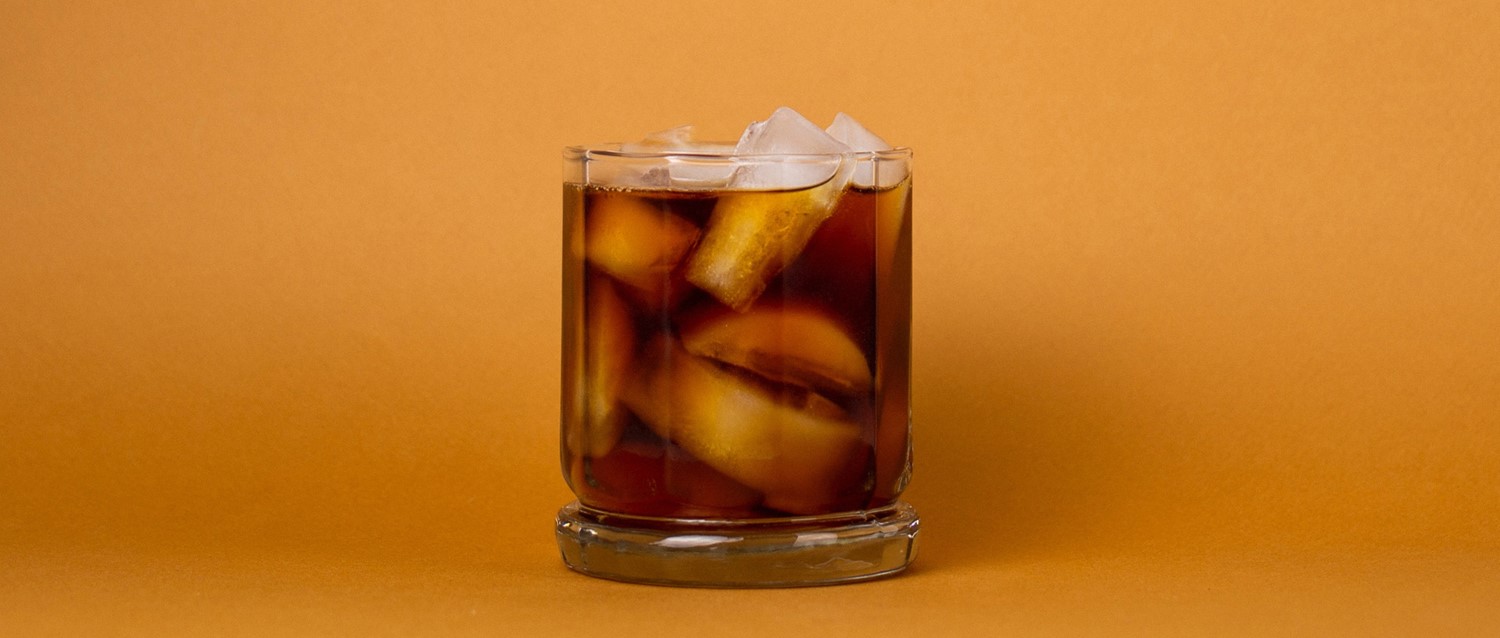
Sugar in soft drinks and fruit juice linked to increased cancer risk
Peer reviewed by Natalie HealeyLast updated by Ashwin BhandariLast updated 11 Jul 2019
Meets Patient’s editorial guidelines
- DownloadDownload
- Share
- Language
- Discussion
- Audio Version
- Add to preferred sources on Google
A study has linked drinking sugary drinks (including fruit juice) to cancer. But researchers say much more work is needed before we can be sure soft drinks actually cause the disease.
The findings published by the BMJ looked at over 100,000 French adults' sugar consumption habits for over five years. The researchers from Université Sorbonne Paris Cité found a 100 ml daily increase in sugary drink consumption was associated with an 18% increased risk of overall cancer and a 22% increased risk of breast cancer.
When the sugary drinks studied were split into fruit juices and other soft beverages, the consumption of both types was associated with a higher risk of cancer. However, there was no similar correlation between cancer risk and drinking 'diet' drinks or those containing artificial sweeteners.
The researchers said: "These data support the relevance of existing nutritional recommendations to limit sugary drink consumption, including 100% fruit juice, as well as policy actions, such as taxation and marketing restrictions targeting sugary drinks, which might potentially contribute to the reduction of cancer incidence."
A possible explanation for the results is the effect of sugar on visceral fat and blood sugar levels which are all linked to increased cancer risk. However, the team stressed that while the research found a correlation, it doesn't prove that sugary drinks and fruit juice cause cancer. More research is needed before we can be sure of the link.
Catherine Collins, a dietician at St George's University Hospital Trust said: "For too long, the nutri-myth of sweeteners being a health risk has remained in popular culture. All current sweeteners in use have been through rigorous safety testing before being accepted for human use. This study shows no impact of artificially sweetened drinks with cancer risk, adding to the body of knowledge from laboratory work to human studies confirming this."
Dr Joseph Wheeler, Senior Statistician, Cancer Research UK, who was not directly involved with the research explained that the new study "adds to the existing evidence that consumption of sugary drinks may be associated with increased risk of some cancers".
"Whilst there was some evidence for an association between sugary drink consumption and the risk of developing breast cancer, the same association was not found for colorectal or prostate cancers. Further research into the biological mechanism between sugary drink consumption and specific cancers is needed to establish if one does indeed cause the other," he said.
Patient picks for Information about cancer

Cancer
Specialist cancer treatment in the comfort of your own home
You can access cancer treatment at home, thanks to specialist providers such as Lloyds Clinical, who have been treating people in their homes for nearly 30 years. Treatment at home removes the strain of unnecessary travel, car parking and hospital visits, freeing up time to prioritise family life and work. Working to the highest clinical and safety standards, highly trained cancer nurses and clinical nurse specialists deliver 1-2-1 clinical treatment, with the equipment to respond as they would in hospital. Specialist cancer services mean NHS patients, private medically insured, and self-paying patients who want an alternative to hospital can start their treatment at home.
by Lloyds Clinical
Cancer
How to look after your skin during chemotherapy
Taking good care of your skin while undergoing chemotherapy is super important, since your skin will be more sensitive and prone to issues such as dryness, itchiness, redness, and blisters. While the side effects of chemo on the skin tend to go away once treatment comes to an end, you should be looking after your skin from the get go to prevent it from becoming more fragile.
by Emily Jane Bashforth
About the authorView full bio

Ashwin Bhandari
Medical Writer
BA Journalism
About the reviewerView full bio

Natalie Healey
Freelance journalist
BSc (Hons) Biomedical Science
She is a London-based health journalist who has been writing about science and medicine for several years. She is the former head of editorial at Patient.
Article history
The information on this page is peer reviewed by qualified clinicians.
Article also available in English, German, Spanish, French, Italian, Portuguese, Hindi, Hebrew, Arabic, and Swedish.
11 Jul 2019 | Latest version
Join the conversation
Share your thoughts or experiences with others in our patient communities.

Ask, share, connect.
Browse discussions, ask questions, and share experiences across hundreds of health topics.

Feeling unwell?
Assess your symptoms online for free
Sign up to the Patient newsletter
Your weekly dose of clear, trustworthy health advice - written to help you feel informed, confident and in control.
By subscribing you accept our Privacy Policy. You can unsubscribe at any time. We never sell your data.
More in cancer
- Breast cancer videos
- Can burnt toast really cause cancer?
- Can you be too old for a smear test?
- Cancer fatigue: what it is and how to cope
- How to check for breast cancer and what a lump feels like
- How to check yourself for testicular cancer
- How to cope with a terminal illness at Christmas
- How to cope with anxiety after cancer
- How to look after your skin during chemotherapy
- Less survivable cancers are more likely to have late diagnoses
- Lung cancer in non-smokers is more common than you think
- Tips to beat bowel cancer
- What affects your chances of surviving cervical cancer?
- What are the early warning signs of bowel cancer?
- What are the signs of prostate cancer?
- What are the stages of lung cancer?
- What is Movember?
- What to expect during a breast screening
- Why is skin cancer on the rise among older adults?
- Your essential skin cancer checklist