مزيد من الأدلة على ارتباط وسائل التواصل الاجتماعي بالاكتئاب لدى المراهقين
مراجعة من قبل Natalie Healeyكتبه Ashwin Bhandariنُشر في الأصل 16 Jul 2019
يتوافق مع الإرشادات التحريرية
- تنزيلتنزيل
- مشاركة
- Language
- نقاش
- Ask Patient
- نسخة صوتية
- أضف إلى المصادر المفضلة على جوجل
Researchers have found a link between social media usage and teenage depression.
اختيارات الفيديو لـ الصحة النفسية والسلوكمكتبة الفيديو
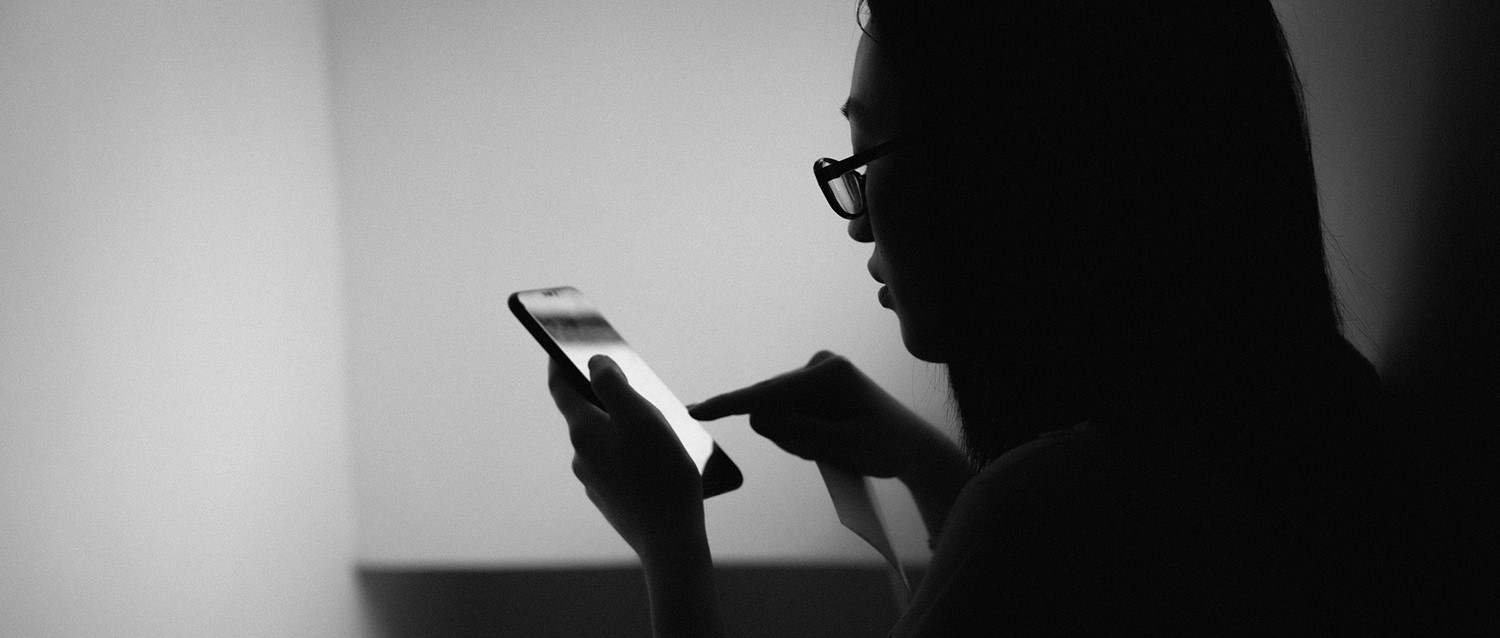
For every extra hour that a young adult spends on social media, the more likely they are to experience symptoms of depression, suggests a study published in JAMA Pediatrics.
The research followed just under 4,000 children from 31 schools in Montreal, Canada, and monitored their weekly screen time and episodes of depression via surveys for four years. The teenagers were asked to rate how severe their symptoms were, on a scale of 1-10, which ranged from 'feeling sad', 'feeling hopeless' and 'feeling lonely'.
"Social media and television are forms of media that frequently expose adolescents to images of others operating in more prosperous situations, such as other adolescents with perfect bodies and a more exciting or rich lifestyle. The algorithmic features of television viewing and in particular, social media, create and maintain a feedback loop by suggesting similar content to users based on their previous search and selection behaviour. Thus, the more one's depressive state influences their viewing choices, the more similar content is being suggested and provided, and the more likely one will be continuously exposed to such content, therewith maintaining and enhancing depression," explained the study's lead author, Dr Elroy Boers at Université de Montréal's Department of Psychiatry.
بvery extra hour a day on social media was linked to an increase in depressive symptoms, with similar findings linked to computer use. However, there was no evidence to suggest that video game use and depressive episodes were linked. The researchers hypothesised this may be because unlike social media, video games are not based in reality.
Dr Gemma Lewis, a psychiatric researcher for University College London who did not work on this study pointed out some limitations. She says teenagers in this research were originally selected for another study looking at interventions for substance abuse.
She said: "We know that many of the personality traits associated with substance abuse could also be associated with depression and therefore these adolescents are likely to have a higher risk of mental health problems than the general population of adolescents. We need more high-quality evidence in addition to this study before we can conclude that adolescents' social media and television use should be regulated to prevent depression."
اختيارات المرضى لـ الصحة النفسية والسلوك

صحة الأطفال
كيفية مساعدة طفلك على بناء الثقة بالنفس
As parents, it's natural to want to help our children thrive. And one thing we're all aware of is the importance of having healthy self-esteem to help them face the ups and downs of childhood more comfortably.
بقلم جيليان هارفي

صحة الأطفال
هل يمكن أن يكون طفلي الصغير مكتئبًا؟
يصرخ طفلك الدارج بأعلى صوته حتى يحمرّ وجهه بشدة؛ فقد مررنا جميعًا بموقف فقد فيه طفل صغير السيطرة وأعلن للجميع عن مدى استيائه.
بواسطة داني تشادبورن
عن المؤلفعرض السيرة الذاتية الكاملة
كتبه

Ashwin Bhandari
كاتب طبي
بكالوريوس الصحافة
حول المراجععرض السيرة الذاتية الكاملة

ناتالي هيلي
صحفي مستقل
بكالوريوس (مع مرتبة الشرف) في العلوم الطبية الحيوية
هي صحفية صحية مقرها لندن وقد كتبت عن العلوم والطب لعدة سنوات. كانت رئيسة التحرير السابقة في موقع Patient.
تاريخ المقال
المقال متاح أيضًا باللغة الإنجليزية, الألمانية, إسبانية, الفرنسية, إيطالي, البرتغالية, الهندية, العبرية, العربية ,، و السويدية.
16 Jul 2019 | نُشر في الأصل
كتبه:
Ashwin Bhandariمراجعة من قبل
ناتالي هيلي
شارك أفكارك أو تجاربك مع الآخرين في مجتمعات المرضى.
اشترك في النشرة الإخبارية للمرضى
جرعتك الأسبوعية من النصائح الصحية الواضحة والموثوقة - مكتوبة لمساعدتك على الشعور بالاطلاع والثقة والتحكم.
من خلال الاشتراك، فإنك تقبل سياسة الخصوصية. يمكنك إلغاء الاشتراك في أي وقت. نحن لا نبيع بياناتك أبدًا.