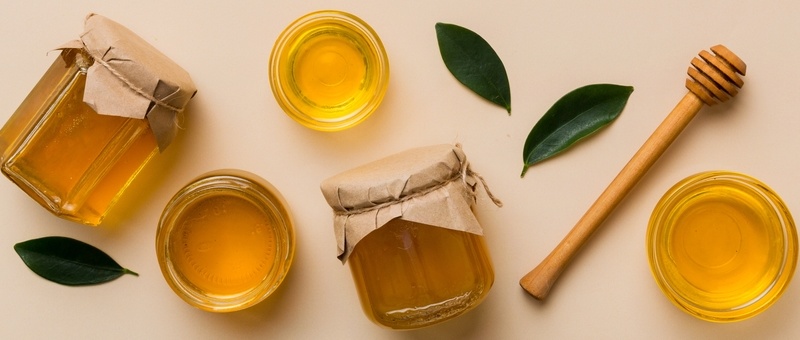
Honey may be the natural buzz you need to fuel your workouts
Authored by Stephen KhanOriginally published 9 Jun 2026
Meets Patient’s editorial guidelines
- DownloadDownload
- Share
- Language
- Discussion
- Audio Version
- Add to preferred sources on Google
Honey has been used by humans as a natural sweetener and energy source to sustain work and physical performance for thousands of years. Recently, it has re-emerged as a natural option for fuelling exercise, with some social media users claiming it’s the perfect thing to eat before a workout if you need an energy boost.
Interestingly, Sebastian Sawe, the first man to run a sub two-hour marathon, fuelled up before his race with bread and honey.
Research actually does suggest honey can work comparably to commercial products such as energy drinks and gels. But where it may be most beneficial is when it’s used as a recovery tool.
Honey and energy
Honey is primarily made up of carbohydrates - more specifically, glucose and fructose, which are simple sugars. These carbs provide a rapid and accessible source of energy, which is particularly useful during exercise when your body needs fuel quickly.
Our bodies store carbohydrate as glycogen in the muscles and liver. These stores are depleted during moderate‑to‑high intensity exercise - especially during prolonged bouts of physical activity lasting longer than 60 minutes. When glycogen levels fall, fatigue increases and performance declines.
Consuming carbohydrates before or during exercise ensures energy is available, allowing us to sustain exercise for longer.
The science behind honey’s role in exercise is therefore straightforward - it supplies fast‑acting energy when needed. However, what is more interesting is that honey contains a natural combination of both glucose and fructose.
These sugars are absorbed through different pathways in the gut, allowing them to be used simultaneously. This increases the amount of carbohydrates absorbed, puts less strain on the gut, and helps sustain the amount of energy being delivered to working muscles during workouts. This may also potentially delay fatigue.
This science is also behind why many sports drinks and energy gels contain multiple carbohydrate sources to maximise fuelling efficiency.
Research has shown that consuming both glucose and fructose together enhances the amount of carbohydrate your body is able to use for energy compared to a single sugar source. Honey therefore represents a natural version of this evidence‑based approach.
In practical terms, one generous tablespoon of honey provides around 20 grams of carbohydrate. This is comparable to the amount of carbs found in a commercial energy gel.
Consuming around 1 tablespoon or 1.5 tablespoons of honey before training can top up glycogen stores, particularly in the liver. This can be important if training in the morning when liver glycogen stores are lower from an overnight fasting period.
Honey and exercise performance
But while honey can help provide your body with the energy it needs during a workout, whether honey actually boosts performance is less certain.
Previous research found that using honey as a drink given before and during 75 minutes of football training - a total of around four heaped tablespoons per participant - was not found to have improved performance.
A commercial sports drink containing the same amount of carbohydrates was also tested. Neither the sports drink nor the honey proved to have any performance benefit over the placebo (water only) - showing that both carb drinks had no effect.
However, other studies have shown that honey does perform similarly to other carbohydrate sources and may improve performance.
For instance, a study which gave cyclists 15 grams of honey every 16 kilometres over a 64 kilometre time trial resulted in cyclists having greater power output in the final 16 kilometres compared to those who were given a placebo.
Additionally, a recent study in trained cyclists who were given 90 grams of honey per hour over three hours of cycling found that performance was comparable to traditional sports gels.
So while honey might not boost your performance over other types of carbs, it may work just as well.
Additional benefits
Where honey shines may well be in its role in recovery. Research has shown that consuming a honey‑based drink after exercise helps maintain higher blood glucose levels, which can affect subsequent performance - particularly when your body is under extra stress - such as when it’s hot.
In one study, ten recreational runners performed two one-hour runs in the heat, with a two-hour rest in between. After the first run, they were given a drink containing honey. The researchers found that the runners were able to run around 10% further in the second trial after consuming honey than they had run during the first trial.
This suggests that honey may be particularly effective at restoring energy between bouts of exercise. As honey contains both glucose and fructose, this can help replenish your body’s energy stores quickly.
Beyond its carbohydrate content, honey also contains small amounts of vitamins, minerals, amino acids and important plant compounds such as flavonoids and phenolic acids. These compounds may have antioxidant, antimicrobial and potentially antiviral effects, which may be particularly beneficial for athletes during stressful training periods.
However, not all honeys are the same. Their taste, texture, sugar composition and contents vary depending on factors such as flower source, climate and processing methods. For instance, Malaysian and Manuka honey contain higher levels of anti-bacterial and anti‑inflammatory compounds, which could better support recovery and immune function.
Some research also indicates certain types of honey can influence inflammatory signalling pathways, potentially helping regulate the response. This means honey may reduce muscle soreness and improve recovery, offering more than just a source of energy.
However, there’s currently little evidence to suggest that one type of honey is significantly superior to another as an exercise fuel.
Based on current evidence, honey does appear to be comparable to other sports products such as energy gels. This makes honey an effective, low cost, natural alternativeto commercial sports fuels for athletes.
This article is republished from The Conversation under a Creative Commons license. Read the original article.
Patient picks for Nutrition

Diet and nutrition
Are pumpkin seeds good for you?
Pumpkin seeds aren't just for Halloween. While they might remind you of carving autumn jack-o'-lanterns, many people enjoy them year-round for their health benefits. Let’s take a closer look at what pumpkin seeds have to offer and see if they deserve a permanent spot in your diet.
by Victoria Raw

Diet and nutrition
Lifting the lid on yoghurt's hidden health benefits
There are many types and brands of yoghurt available in supermarkets worldwide. From low-fat to full-fat, flavoured to fruit, each promotes a range of unique features and health benefits. This article explores yoghurt's healthy upsides and how to spot the not-so-healthy options.
by Victoria Raw
Frequently asked questions
What is the recommended amount of honey to consume before training?
Consuming approximately 1 to 1.5 tablespoons of honey before exercise can help replenish glycogen stores, especially liver glycogen, which may be lower if you are training in the morning after an overnight fast.
How does honey compare to commercial sports products like energy gels?
Research suggests that honey can be comparable to commercial sports products such as energy drinks and gels in providing energy during exercise. It's often seen as an effective, low-cost, natural alternative to these commercial fuels.
Does the type of honey matter for exercise benefits?
While different honeys vary in taste, texture, and composition due to factors like flower source and climate, there is currently little evidence to suggest that one type of honey is significantly superior to another specifically as an exercise fuel. However, some types like Malaysian and Manuka honey are known for higher levels of anti-bacterial and anti-inflammatory compounds, which may offer additional recovery and immune support.
Can honey help reduce muscle soreness after a workout?
Some research indicates that certain types of honey may influence inflammatory signalling pathways. This could potentially help regulate the body's response to exercise, which might lead to reduced muscle soreness and improved overall recovery, offering benefits beyond just energy provision.
Besides carbohydrates, what other beneficial components are found in honey?
Beyond its carbohydrate content, honey contains small amounts of vitamins, minerals, amino acids, and important plant compounds such as flavonoids and phenolic acids. These compounds may possess antioxidant, antimicrobial, and potentially antiviral effects, which could be particularly advantageous for athletes during demanding training periods.
About the authorView full bio

Stephen Khan
Editor-in-Chief, The Conversation
Stephen is the Global Executive Director and co-founder of The Conversation, a non-profit news organisation. An experienced journalist and media leader, he specialises in news writing and digital journalism, and has held senior editorial roles at The Guardian, The Independent, and The Observer.
Article history
The information on this page is peer reviewed by qualified clinicians.
Article also available in English, German, Spanish, French, Italian, Portuguese, Hindi, Hebrew, Arabic, and Swedish.
9 Jun 2026 | Originally published
Authored by:
Stephen Khan
Join the conversation
Share your thoughts or experiences with others in our patient communities.

Ask, share, connect.
Browse discussions, ask questions, and share experiences across hundreds of health topics.

Feeling unwell?
Assess your symptoms online for free
Sign up to the Patient newsletter
Your weekly dose of clear, trustworthy health advice - written to help you feel informed, confident and in control.
By subscribing you accept our Privacy Policy. You can unsubscribe at any time. We never sell your data.
More in diet and nutrition
- 7 cacao benefits: is raw chocolate best?
- Could your diet be your best anti-ageing secret?
- Gout diet: foods to eat and avoid
- How does diet affect dementia?
- How to eat more vegetables without trying
- Is the food traffic light labelling system useful?
- Kimchi and sauerkraut: What are the benefits of eating fermented foods?
- Most vitamin supplements aren't beneficial for health, study finds
- Plant-based proteins could help prevent high blood pressure
- Recipe: Gluten-free hot cross buns
- Sticking to a plant-based diet lowers type 2 diabetes risk
- The health benefits of coffee and tea
- Thinking about going vegan? Here's how to do it healthily
- Vitamin A-rich foods could protect against skin cancer
- What are the health benefits of spicy food?
- What is 'Skinnymaxxing' - and why are health experts concerned about it?
- What is fibremaxxing - and how healthy is it really?
- What is intuitive eating - and can it improve your relationship with food?
- What would your stomach choose at the supermarket?
- Will a gluten-free diet help my child's eczema?