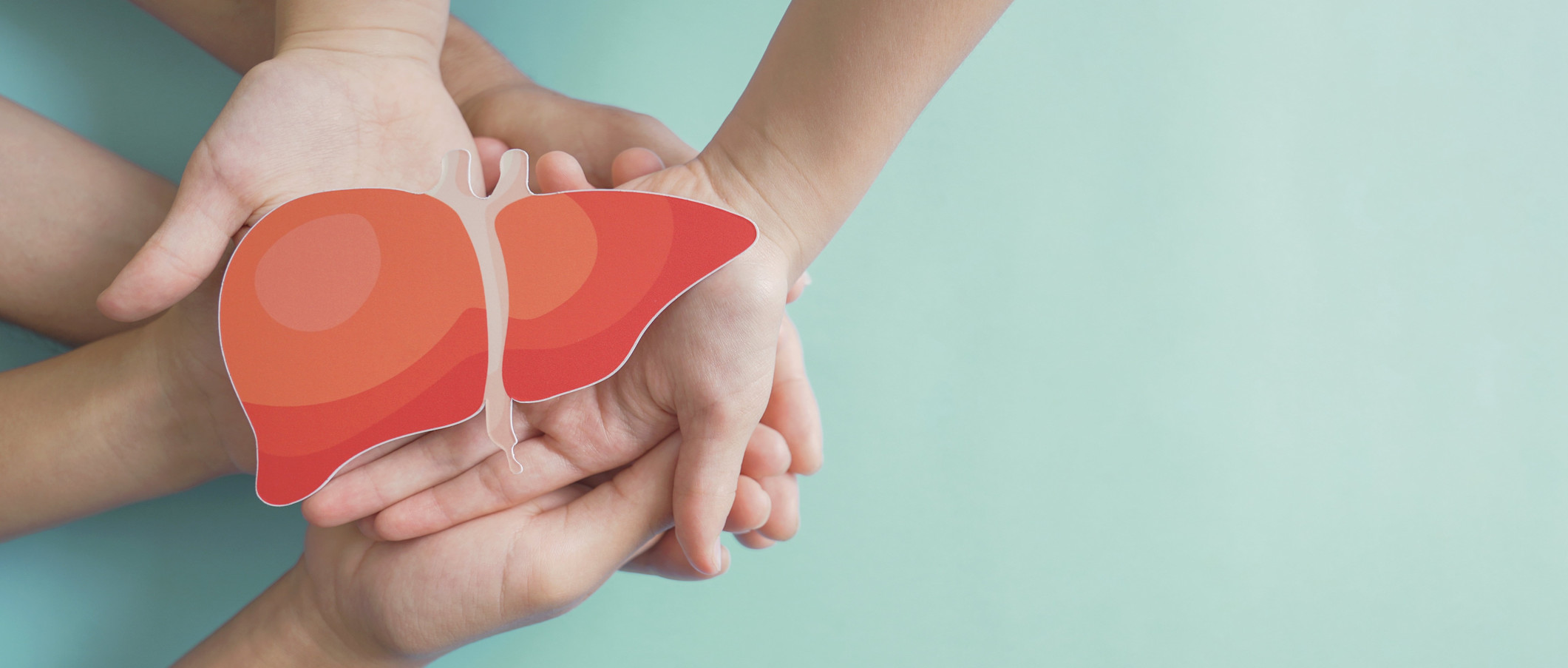
How to look after your liver during freshers’ week
Peer reviewed by Dr Colin Tidy, MRCGPLast updated by Heather AinsworthLast updated 4 Sept 2025
Meets Patient’s editorial guidelines
- DownloadDownload
- Share
- Language
- Discussion
- Audio Version
- Add to preferred sources on Google
Freshers’ week is packed with parties, new friends, and plenty of late nights. But a week of drinking can be tough on your liver. To help you enjoy freshers' without putting your health at risk, we’ve pulled together some simple tips on how to look after your liver whilst still making the most of your uni experience.
Eat before you go out
Food slows down the rate at which alcohol is absorbed into your bloodstream. Making sure you 'line your stomach' before drinking alcohol prevents you from getting drunk too quickly, helps maintain blood sugar levels, and reduces the chance of getting a hangover1.
The best choices are foods that release energy slowly – go for a mixture of protein and carbs, such as chicken or fish and pasta or potatoes.
Avoid pre-drinking
It’s tempting to drink before you go out to save money, but the danger is you’ll get drunk quickly and could miss out on most of the evening. Ideally, avoid ‘pre-drinking’ altogether but if you do it, choose a long drink such as beer. Give hand-poured spirits a miss too, as it’s easy to drink far more than you realise.
Know your units
Keeping tabs on how much you’re drinking is a good habit to get into. Adults should drink no more than two to three units a day, which amounts to one pint of standard-strength (5%) lager, beer or cider, or two to three single pub measures (25ml) of spirits, or one medium to large glass of 12% ABV (alcohol by volume) wine.
The weekly units for men and women is 14 units2. It’s also recommended that you have at least two to three dry days a week.
You can use our alcohol units calculator to work out how many units are in your drinks.
Beware of bingeing
While alcohol-free days are important, it’s a bad idea to save up your units for one or two days. A report by the Department of Health found that drinking between five and seven units in one session raises the risk of accidents and injuries between two to five times3.
Binge drinking also lowers your inhibitions and judgment, putting you at greater risk of danger, and over time it can affect mood and memory. The worst-case scenario is alcohol poisoning, which is potentially fatal.
Pace yourself
It takes up to an hour for your body to process one unit of alcohol, so make your drinks last. Choose long drinks over shots, and drink water either alongside or between alcoholic drinks. This will slow down your drinking and keep you hydrated, helping to fend off tomorrow’s hangover. Or simply go for a soft drink.
Avoid big rounds
Not only are they expensive, but you’ll end up keeping pace with the fastest drinker. Everyone metabolises alcohol at a different rate too, depending on their gender and size4. So if you’re a nine stone woman, don’t try to keep up with a 13 stone man.
This isn’t sexist – it’s medical fact! The body holds alcohol in water, and because women have proportionally less water than men their blood alcohol levels become more concentrated.
Pick events wisely
If you’re not interested in drinking, a pub crawl is an obvious no-no but there are lots of arts and activity-based events to attend. You could also try a night out at an alcohol-free bar – there are a number of ‘dry bars’ now in big cities such as London, Manchester, Nottingham and Liverpool.
Resist peer pressure
Many universities have banned alcohol-fuelled initiation rites to clubs and societies, some of which have resulted in the deaths of students due to alcohol poisoning or accidents. But drinking games still go on.
If you’re not comfortable with something, don’t do it. It’s your body and being responsible for your own actions is part of being an adult. In the long run, most people will respect you more for standing your ground, and you won’t end up untagging yourself from embarrassing photos on social media.
If they don’t, find some new friends – there’s probably plenty of people feeling just the same way you do.
Further reading
1. Ramsbottom et al: Food as harm reduction during a drinking session
2. Gov.uk: Delivering better oral health - chapter 12 alcohol
Patient picks for Alcohol advice

Healthy living
Where to find support if you have been a victim of drink spiking
Seeking support after having your drink spiked can be a scary thing, especially if you can't remember what happened. But while it can be traumatic, it's important to alert someone to what happened to reduce the chance of serious medical complications and long-term psychological effects. There is plenty of support out there for victims of drink spiking, and various treatments are offered to help you feel safe again.
by Emily Jane Bashforth
Healthy living
One in five hospital patients have a problem with alcohol
One in 10 people admitted to an NHS hospital are addicted to alcohol, new research finds.
by Ashwin Bhandari
About the author

Danny Chadburn
Head of Content
Danny was the previous Head of Content at Patient.
About the reviewerView full bio

Dr Colin Tidy, MRCGP
General Practitioner, Medical Author
MBBS, MRCGP, MRCP (Paediatrics), DCH
Dr Colin Tidy is an NHS Doctor, based in Oxfordshire.
Article history
The information on this page is peer reviewed by qualified clinicians.
Article also available in English, German, Spanish, French, Italian, Portuguese, Hindi, Hebrew, Arabic, and Swedish.
Next review due: 4 Sept 2028
4 Sept 2025 | Latest version
23 Aug 2017 | Originally published
Authored by:
Danny Chadburn
Join the conversation
Share your thoughts or experiences with others in our patient communities.

Ask, share, connect.
Browse discussions, ask questions, and share experiences across hundreds of health topics.

Feeling unwell?
Assess your symptoms online for free
Sign up to the Patient newsletter
Your weekly dose of clear, trustworthy health advice - written to help you feel informed, confident and in control.
By subscribing you accept our Privacy Policy. You can unsubscribe at any time. We never sell your data.
More in healthy living
- 7 ways to ease 'morning dread' during perimenopause
- NewBiohacking - where to start, and where to stop
- Can fitness trackers help boost activity levels in adults?
- CBT for insomnia: how does it work?
- Do 30-day fitness challenges actually work?
- Does BMI matter?
- How does alcohol affect your sex life?
- How to become more flexible
- How to maintain your running routine in winter
- How to stop smoking
- Is insomnia affecting your job?
- Natural protein verses protein powder: which is better for strength training?
- Problems caused by being underweight
- What are sleep trackers and do they work?
- What causes sleep paralysis?
- What is alcoholic cardiomyopathy?
- What to do when your child can't sleep
- When is your child too sick for school?
- Why can't I sleep? 12 common causes and what to do
- Why we should be making mental health New Year resolutions