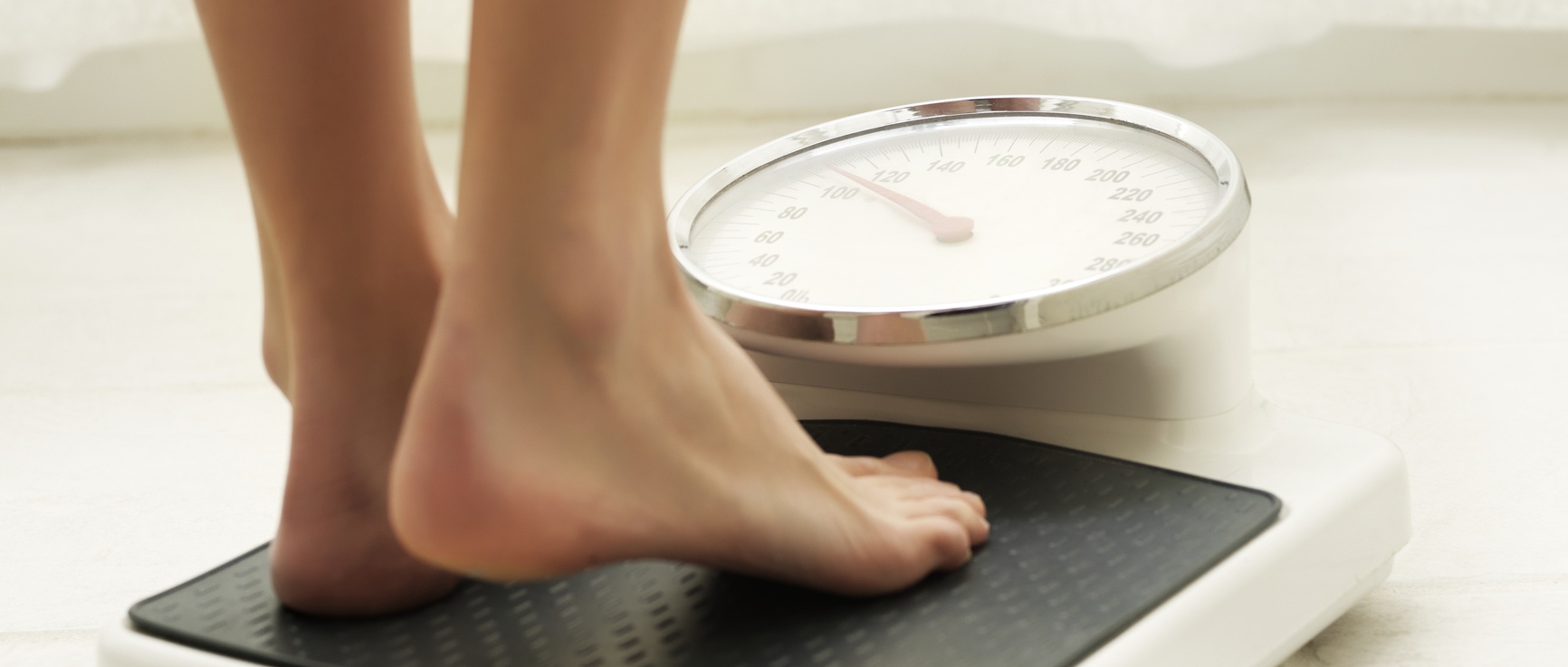
Why is anorexia on the rise?
Peer reviewed by Dr Sarah JarvisAuthored by Danny ChadburnOriginally published 20 Sept 2017
Meets Patient’s editorial guidelines
- DownloadDownload
- Share
- Language
- Discussion
- Audio Version
- Add to preferred sources on Google
More than 1.25 million people in the UK are affected by an eating disorder, according to research by Beat, the UK’s main eating disorder charity, with young women making up the vast majority of cases.

Hospital admissions for eating disorders have increased by a third in the last decade, with one report, The Costs of Eating Disorders, revealing a rise of around 7% each year. This sharp increase may partly be due to more people becoming aware of eating disorders and getting the help they need.
But it’s also clear that many young people are struggling with the ever-increasing pressures of modern life – whether that’s social media, constant images of skinny celebrities, family breakdowns, bullying, or pressure to do well in exams. Older people are also increasingly affected by anorexia, which is pushing up the numbers.
Here, we take a look at six key triggers for the rise in anorexia.
Shrinking ideal body shapes
Some experts trace the rise in anorexia back to a significant shift in ideal body shapes that took place in the 1960s. This is when super-skinny models such as Twiggy were seen as the epitome of beauty for the first time. Their waif-like frames marked a big departure from traditional ideals of beauty, such as curvy Rubin-esque figures or voluptuous hourglass pin-ups like Marilyn Monroe. And it proved a decisive cultural break.
From the late 1960s onwards, both female models and celebrities continued to shrink, from the ‘heroin chic’ of the Nineties to the size-zero controversy in the Noughties, and beyond.
Growing academic pressure
Although the rise of super-skinny role models has a role, researchers have known since the 1970s that eating disorders are not about just wanting to look thin. Anorexia is usually about a person trying to control one aspect of their life when they feel other areas are out of control – extreme stress is one trigger. In 1994, research by the UK Eating Disorder Association (now Beat) revealed that only one in 500 girls in state schools had an eating disorder, compared with one in 100 girls at private schools.
This proved the first clear link between eating disorders and bright, middle-class schoolgirls who are pushed academically and feel pressure to live up to parental – and their own – expectations.
Social media
Since Facebook stormed into our lives in 2006, people have been able to share endless photos of themselves with large numbers of virtual friends. And once Twitter and Instagram launched, it was easy to follow celebrities in daily Technicolor.
But the advent of social media has created a new pressure to look good in selfies and has exacerbated already unrealistic body expectations. Dating apps like Tinder have also placed more emphasis on our appearance and increased the pressure to look ‘right’. In 2016, a study by the University of Pittsburgh confirmed that young adults who spend more time on social media struggle with their body image and were more at risk of developing an eating disorder.
'Thinspiration' sites
In the last decade, a raft of pro-anorexia websites has appeared. These forums create a meeting place for people with eating disorders to share extreme tips on avoiding food and to congratulate each other on losing weight. These so-called ‘thinspiration’ sites glamorise anorexia, promote skinny models and generally ignore the true misery of eating disorders.
David Cameron called for them to be banned in 2013 as part of a number of measures to protect children online, but they still remain on the Internet.
The ‘clean eating’ trend
Kicking off with Deliciously Ella’s hugely popular food blog in 2014, 'clean eating' soon became a global phenomenon. Clean eating recipes are mainly vegan, and organic, and advocate cutting out all sugar, ‘toxins’ and processed foods. But within two years a backlash had begun, as eating disorder specialists began to see patients following the fad as a mask for eating disorders.
In particular, clean eating is thought to trigger orthorexia in susceptible people, an eating disorder based on an ‘obsession with correct eating’. In 2016, Dr Mark Berelowitz, an eating disorder specialist at the Royal Free Hospital in London, warned that up to 90% of his new patients had started off following clean-eating diets.
Male and older sufferers
While anorexia is mainly associated with young women, there’s some evidence that part of the rise in numbers could be due to an increase in male sufferers and late-onset anorexia.
NHS figures show that the number of adult men being admitted to hospital with an eating disorder has risen by 70% over the past six years. Pressure for body perfection is on the rise for men of all ages, largely due to social media and celebrity culture, which is a risk factor for men vulnerable to developing an eating disorder.
Late-onset anorexia occurs when people develop the condition in their 30s, 40s and 50s. A study by University College London in 2017 found around 3% of women in their 40s and 50s admitted having a recent eating problem, with 15% having suffered from one at some point in their life.
Emotional triggers in these age groups are thought to range from job losses, bereavement and divorce, to new-baby stress. As with younger sufferers, trying to regain some control over one area of life seems to be a key factor in late-onset anorexia. Men are most likely to develop an eating disorder between the ages of 14 and 25 but it is not unusual to develop issues with food in middle age, with life events often triggering the onset.
What can we do to stop the rise in anorexia?
While there’s no easy answer, most experts agree that banning pro-anorexia sites and moving away from a culture of airbrushing celebrities and models is a step forward. We also need to look at how to address low self-esteem and academic pressure, starting with better emotional support for young people at school.
Meanwhile, teachers, GPs, friends and family need to get better at spotting the warning signs, as the research suggests that early intervention is the key to successfully combating eating disorders.
Patient picks for Eating disorders

Mental health
Working with food when you have an eating disorder
The food industry can be a stressful place to work at the best of times. Long hours, precarious contracts, low wages and, for those in customer-facing roles, unreasonable demands, can all make for a tough working environment. Add in an eating disorder and the picture gets more complicated still.
by Patricia Carswell

Mental health
Eating disorders in athletes: how can we tackle them?
Eating disorders are serious, complicated mental illnesses. They can affect anyone, regardless of age, gender, race, sexuality, background or occupation. However, there is evidence to suggest that athletes are disproportionately affected, with many arguing that eating disorder behaviours are actually encouraged in sport.
by Emily Jane Bashforth
About the author

Danny Chadburn
Head of Content
Danny was the previous Head of Content at Patient.
About the reviewerView full bio

Dr Sarah Jarvis
Clinical Consultant
MA (Cantab), BM, BCh (Oxon), DRCOG, FRCGP, MBE
After training in medicine at Cambridge and Oxford, Dr Sarah Jarvis MBE became a GP.
Article history
The information on this page is peer reviewed by qualified clinicians.
Article also available in English, German, Spanish, French, Italian, Portuguese, Hindi, Hebrew, Arabic, and Swedish.
20 Sept 2017 | Originally published
Authored by:
Danny Chadburn
Peer reviewed by
Dr Sarah Jarvis
Join the conversation
Share your thoughts or experiences with others in our patient communities.

Ask, share, connect.
Browse discussions, ask questions, and share experiences across hundreds of health topics.

Feeling unwell?
Assess your symptoms online for free
Sign up to the Patient newsletter
Your weekly dose of clear, trustworthy health advice - written to help you feel informed, confident and in control.
By subscribing you accept our Privacy Policy. You can unsubscribe at any time. We never sell your data.
More in mental health
- Are men or women less likely to get help for depression?
- Bipolar disorder, public figures, and the line between explanation and accountability
- Building healthy boundaries for a fresh start to the new year
- Emotional dysregulation: what it is and how to cope
- Gaynor Faye on Hot Flash, menopause - and why midlife women deserve to be seen
- How to be a calm parent when you're stressed
- How to look after your mental health this winter
- How to talk to people about your mental health
- NewLet’s talk about dating app burnout
- Mental health: keeping track of your symptoms and early interventions
- Playing with cats and dogs reduces stress levels
- Video: What are the different types of mental health disorder?
- What is 'good mental health'?
- What is 'Skinnymaxxing' - and why are health experts concerned about it?
- When to take a mental health day at work - and how to talk to your boss
- Which foods can reduce your stress and anxiety?
- Why do some people struggle with summer depression?
- Why we should be making mental health New Year resolutions
- Why you should take up a creative hobby this year