Familial hemophagocytic lymphohistiocytosis
آخر تحديث 18 Aug 2020
يتوافق مع الإرشادات التحريرية
- تنزيلتنزيل
- مشاركة
- Language
- نقاش
- Ask Patient
- نسخة صوتية
- أضف إلى المصادر المفضلة على جوجل
Familial hemophagocytic lymphohistiocytosis is a disorder in which the immune system produces too many activated immune cells (lymphocytes) called T cells, natural killer cells, B cells, and macrophages (histiocytes). Excessive amounts of immune system proteins called cytokines are also produced. This overactivation of the immune system causes fever and damages the liver and spleen, resulting in enlargement of these organs.
اختيارات الفيديو لـ الحالات الوراثيةمكتبة الفيديو
الوصف
Familial hemophagocytic lymphohistiocytosis is a disorder in which the immune system produces too many activated immune cells (lymphocytes) called T cells, natural killer cells, B cells, and macrophages (histiocytes). Excessive amounts of immune system proteins called cytokines are also produced. This overactivation of the immune system causes fever and damages the liver and spleen, resulting in enlargement of these organs.
Familial hemophagocytic lymphohistiocytosis also destroys blood-producing cells in the bone marrow, a process called hemophagocytosis. As a result, affected individuals have low numbers of red blood cells (anaemia) and a reduction in the number of platelets, which are involved in clotting. A reduction in platelets may cause easy bruising and abnormal bleeding.
The brain may also be affected in familial hemophagocytic lymphohistiocytosis. As a result, affected individuals may experience irritability, delayed closure of the bones of the skull in infants, neck stiffness, abnormal muscle tone, impaired muscle coordination, paralysis, blindness, seizures, and coma. In addition to neurological problems, familial hemophagocytic lymphohistiocytosis can cause abnormalities of the heart, kidneys, and other organs and tissues. Affected individuals also have an increased risk of developing cancers of blood-forming cells (leukemia and lymphoma).
Signs and symptoms of familial hemophagocytic lymphohistiocytosis usually become apparent during infancy, although occasionally they appear later in life. They usually occur when the immune system launches an exaggerated response to an infection, but may also occur in the absence of infection. Without treatment, most people with familial hemophagocytic lymphohistiocytosis survive only a few months.
Inheritance patterns
The source lists the following possible inheritance patterns: Autosomal recessive. More than one pattern can apply in different cases.
Related genes
Other names
Familial erythrophagocytic lymphohistiocytosis
Familial hemophagocytic histiocytosis
Familial hemophagocytic lymphocytosis
Familial hemophagocytic reticulosis
FEL
FHL
FHLH
Hemophagocytic syndrome
HPLH
Primary hemophagocytic hymphohistiocytosis
Related patient information and medicines
Patient information leaflet
ابيضاض الدم الليمفاوي المزمن
Chronic lymphocytic leukaemia (CLL) is a condition where you have many abnormal B lymphocyte white blood cells. What is chronic lymphocytic leukaemia. Chronic lymphocytic leukaemia (CLL) هو a condition where you have many abnormal B lymphocyte white blood cells. The lymphocytes look normal under a microscope but are abnormal as they do not.

Patient information leaflet
الفقاع الشائع
الفقاع الشائع is a very serious skin disease that causes blisters. It is rare. Pemphigus vulgaris is more serious than most other blistering skin conditions. Before treatment became available, most people with the condition used to die soon after the disease started. These days most cases can be controlled with treatment. Treatment is usually.

Patient information leaflet
فحص سرطان الأمعاء
Bowel (colorectal) cancer هو common. The outlook (prognosis) and chance of cure are much better if this cancer is detected at an early stage rather than at a later stage. A screening programme operates in the UK for certain age groups. The aim is to offer an easy screening test to detect bowel cancer when it is at an early stage and before.

Patient information leaflet
سرطان البنكرياس
If the cancer spreads to other part... Dr Krishna Vakharia , 16th October 2023 The National Institute for Health and Care Excellence (NICE) has recommended that a person should receive a diagnosis or ruling out of cancer within 28 days of being referred urgently by their GP for suspected cancer. How common is pancreatic cancer. The European.
Patient information leaflet
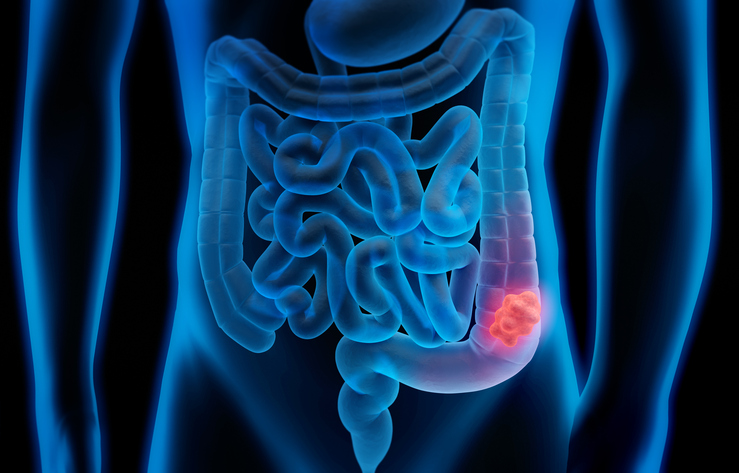
سرطان الأمعاء
سرطان القولون وسرطان المستقيم (also called colorectal cancer) are common in the UK. The colon and rectum are parts of ... What is bowel cancer? | Patient Explainers Colon cancer and rectal cancer (also called colorectal cancer) are common in the UK. Dr Krishna Vakharia , 16th October 2023 The National Institute for Health and Care Excellence.
Patient information leaflet
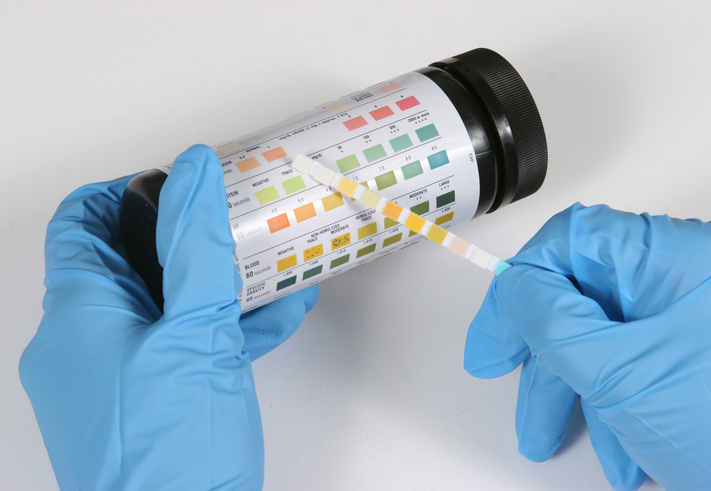
اختبار شريط البول
ت urine dipstick test tests the urine using a special strip of paper that is dipped into a sample of urine. The result is available almost immediately. It is sometimes called a rapid urine test. Urine contains waste chemicals from all of the millions of chemical reactions that go on in the body all the time. However, in some conditions, chemicals.
قراءة إضافية ومراجع
- Familial hemophagocytic lymphohistiocytosis; MedlinePlus, National Library of Medicine.
- Cetica V, Pende D, Griffiths GM, Arico M. Molecular basis of familial hemophagocytic lymphohistiocytosis. Haematologica. 2010 Apr;95(4):538-41. doi: 10.3324/haematol.2009.019562. No abstract available.
- Filipovich AH. The expanding spectrum of hemophagocytic lymphohistiocytosis. Curr Opin Allergy Clin Immunol. 2011 Dec;11(6):512-6. doi: 10.1097/ACI.0b013e32834c22f5.
- Horne A, Ramme KG, Rudd E, Zheng C, Wali Y, al-Lamki Z, Gurgey A, Yalman N, Nordenskjold M, Henter JI. Characterization of PRF1, STX11 and UNC13D genotype-phenotype correlations in familial hemophagocytic lymphohistiocytosis. Br J Haematol. 2008 Oct;143(1):75-83. doi: 10.1111/j.1365-2141.2008.07315.x. Epub 2008 Aug 15.
- Janka GE. Familial and acquired hemophagocytic lymphohistiocytosis. Annu Rev Med. 2012;63:233-46. doi: 10.1146/annurev-med-041610-134208.
- Marsh RA, Satake N, Biroschak J, Jacobs T, Johnson J, Jordan MB, Bleesing JJ, Filipovich AH, Zhang K. STX11 mutations and clinical phenotypes of familial hemophagocytic lymphohistiocytosis in North America. Pediatr Blood Cancer. 2010 Jul 15;55(1):134-40. doi: 10.1002/pbc.22499.
- Pagel J, Beutel K, Lehmberg K, Koch F, Maul-Pavicic A, Rohlfs AK, Al-Jefri A, Beier R, Bomme Ousager L, Ehlert K, Gross-Wieltsch U, Jorch N, Kremens B, Pekrun A, Sparber-Sauer M, Mejstrikova E, Wawer A, Ehl S, zur Stadt U, Janka G. Distinct mutations in STXBP2 are associated with variable clinical presentations in patients with familial hemophagocytic lymphohistiocytosis type 5 (FHL5). Blood. 2012 Jun 21;119(25):6016-24. doi: 10.1182/blood-2011-12-398958. Epub 2012 Mar 26.
- Santoro A, Cannella S, Trizzino A, Bruno G, De Fusco C, Notarangelo LD, Pende D, Griffiths GM, Arico M. Mutations affecting mRNA splicing are the most common molecular defect in patients with familial hemophagocytic lymphohistiocytosis type 3. Haematologica. 2008 Jul;93(7):1086-90. doi: 10.3324/haematol.12622. Epub 2008 May 19.
- Sieni E, Cetica V, Santoro A, Beutel K, Mastrodicasa E, Meeths M, Ciambotti B, Brugnolo F, zur Stadt U, Pende D, Moretta L, Griffiths GM, Henter JI, Janka G, Arico M. Genotype-phenotype study of familial haemophagocytic lymphohistiocytosis type 3. J Med Genet. 2011 May;48(5):343-52. doi: 10.1136/jmg.2010.085456. Epub 2011 Jan 19.
- Trizzino A, zur Stadt U, Ueda I, Risma K, Janka G, Ishii E, Beutel K, Sumegi J, Cannella S, Pende D, Mian A, Henter JI, Griffiths G, Santoro A, Filipovich A, Arico M; Histiocyte Society HLH Study group. Genotype-phenotype study of familial haemophagocytic lymphohistiocytosis due to perforin mutations. J Med Genet. 2008 Jan;45(1):15-21. doi: 10.1136/jmg.2007.052670. Epub 2007 Sep 14.
- Zhang K, Astigarraga I, Bryceson Y, Lehmberg K, Machowicz R, Marsh R, Sieni E, Wang Z, Nichols KE. Familial Hemophagocytic Lymphohistiocytosis. 2006 Mar 22 [updated 2024 Jun 6]. In: Adam MP, Bick S, Mirzaa GM, Wallace SE, Amemiya A, editors. GeneReviews(R) [Internet]. Seattle (WA): University of Washington, Seattle; 1993-2026. Available from http://www.ncbi.nlm.nih.gov/books/NBK1444/
- Zhang K, Jordan MB, Marsh RA, Johnson JA, Kissell D, Meller J, Villanueva J, Risma KA, Wei Q, Klein PS, Filipovich AH. Hypomorphic mutations in PRF1, MUNC13-4, and STXBP2 are associated with adult-onset familial HLH. Blood. 2011 Nov 24;118(22):5794-8. doi: 10.1182/blood-2011-07-370148. Epub 2011 Aug 31.
- Zur Stadt U, Beutel K, Kolberg S, Schneppenheim R, Kabisch H, Janka G, Hennies HC. Mutation spectrum in children with primary hemophagocytic lymphohistiocytosis: molecular and functional analyses of PRF1, UNC13D, STX11, and RAB27A. Hum Mutat. 2006 Jan;27(1):62-8. doi: 10.1002/humu.20274.
تاريخ المقال
المقال متاح أيضًا باللغة الإنجليزية, الألمانية, إسبانية, الفرنسية, إيطالي, البرتغالية, الهندية, العبرية, العربية ,، و السويدية.
18 Aug 2020 | أحدث إصدار
1 Jan 2011 | نُشر في الأصل
شارك أفكارك أو تجاربك مع الآخرين في مجتمعات المرضى.
وصول بسيط إلى العلاجات والخدمات الصحية الموثوقة عبر الإنترنت.
Common conditions
Get help with common conditions through the NHS, without a GP appointment.
 التهاب الجيوب الأنفية الحاد
 التهاب اللوزتين البكتيري
 القوباء
 لدغات الحشرات
 الحزام الناريعدوى المسالك البولية
اشترك في النشرة الإخبارية للمرضى
جرعتك الأسبوعية من النصائح الصحية الواضحة والموثوقة - مكتوبة لمساعدتك على الشعور بالاطلاع والثقة والتحكم.
من خلال الاشتراك، فإنك تقبل سياسة الخصوصية. يمكنك إلغاء الاشتراك في أي وقت. نحن لا نبيع بياناتك أبدًا.