growth differentiation factor 6
آخر تحديث 30 Sept 2025
يتوافق مع الإرشادات التحريرية
- تنزيلتنزيل
- مشاركة
- Language
- نقاش
- نسخة صوتية
- أضف إلى المصادر المفضلة على جوجل
The GDF6 gene provides instructions for making a protein that is part of the transforming growth factor beta (TGFβ) superfamily, which is a group of proteins that help control the growth and development of tissues throughout the body. Within the TGFβ superfamily, the GDF6 protein belongs to the bone morphogenetic protein family, which helps regulate the growth and maturation (differentiation) of bone and cartilage. Cartilage is a tough but flexible tissue that makes up much of the skeleton during early development. The proteins in this family help regulate cell growth and differentiation both before and after birth. The GDF6 protein is necessary for the formation of bones and joints in the limbs, skull, spine, chest, and ribs.
Normal function
The GDF6 gene provides instructions for making a protein that is part of the transforming growth factor beta (TGFβ) superfamily, which is a group of proteins that help control the growth and development of tissues throughout the body. Within the TGFβ superfamily, the GDF6 protein belongs to the bone morphogenetic protein family, which helps regulate the growth and maturation (differentiation) of bone and cartilage. Cartilage is a tough but flexible tissue that makes up much of the skeleton during early development. The proteins in this family help regulate cell growth and differentiation both before and after birth. The GDF6 protein is necessary for the formation of bones and joints in the limbs, skull, spine, chest, and ribs.
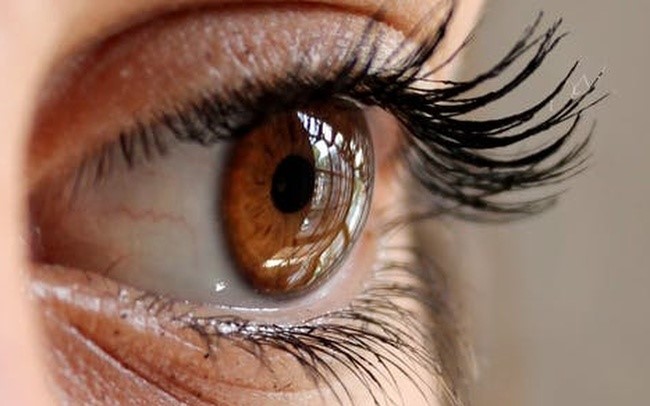
The GDF6 protein is also involved in the development of the eyes, specifically the specialized light-sensitive tissue that lines the back of the eye called the retina. The GDF6 protein likely plays a role in the survival of specialized cells within the retina that detect light and colour (photoreceptor cells).
Conditions referring to this gene or chromosome
Other names
BMP13
CDMP2
GDF-6
growth/differentiation factor 6
KFS
KFS1
SCDO4
SGM1
Related patient information and medicines

Patient information leaflet
سرطان الحنجرة
By looking at certain features of the cells the cancer can be graded. The common grading system used for throat (laryngeal) cancer is: Grade 1 (low grade). The cells look reasonably similar to normal cells in the larynx. It is a type of monoclonal antibody which means that it can recognise and bind t... These proteins are epidermal growth factor.

Patient information leaflet
سرطان البروستاتا
It affects about 1 in 8 men in the UK at some point in their lives. Most cases develop in men over the age of 75 years. So... Grading و staging of prostate cancer ال severity of the disease هو mainly based on three factors - the grade of the cancer cells, the stage of the cancer, and the blood PSA level. Grade of the cancer Samples of tissue.

Patient information leaflet
سرطان القضيب
ال exact reason why a cell becomes cancerous is unclear. It is thought that something damages or alters certain genes in the cell. This makes the cell abnormal and multiply 'out of control'. See the separate leaflet called Causes of cancer for more details. How common is penile cancer. Penile cancer is rare in the UK. It occurs in fewer than 1 in.

Patient information leaflet
ضخامة الأطراف
ضخامة الأطراف is a rare, progressive condition in which you make too much growth hormone. This causes a range of symptoms that develop gradually, often over several years. The most noticeable symptoms are that your hands and feet become larger and features of your face may become more prominent. The cause is usually a small non-cancerous growth.

Patient information leaflet
الورم داخل الظهارة الفرجية
Vulval intraepithelial neoplasia (VIN) هو a skin condition of the vulva. It is not a cancer, but it can turn into cancer if not treated. What is vulval intraepithelial neoplasia. Vulval intraepithelial neoplasia (VIN) is a skin disorder that affects your vulva. (See the separate leaflet called Gynaecological Cancer for more information about what.
Patient information leaflet
اعتلال الشبكية السكري
Stage 2: pre-proliferative retinopathy Pre-proliferative retinopathy is m... There are signs of blood flow becoming restricted but not yet showing new blood vessels growing (see below). Stage 3: proliferative retinopathy Proliferative retinopathy is the advanced diabetic retinopathy that occurs when damaged blood vessels in the retina make.
قراءة إضافية ومراجع
- growth differentiation factor 6; MedlinePlus, National Library of Medicine.
- Asai-Coakwell M, March L, Dai XH, Duval M, Lopez I, French CR, Famulski J, De Baere E, Francis PJ, Sundaresan P, Sauve Y, Koenekoop RK, Berry FB, Allison WT, Waskiewicz AJ, Lehmann OJ. Contribution of growth differentiation factor 6-dependent cell survival to early-onset retinal dystrophies. Hum Mol Genet. 2013 Apr 1;22(7):1432-42. doi: 10.1093/hmg/dds560. Epub 2013 Jan 9.
- Frikha R. Klippel-Feil syndrome: a review of the literature. Clin Dysmorphol. 2020 Jan;29(1):35-37. doi: 10.1097/MCD.0000000000000301.
- Jae-Min Park A, Nelson SE, Mesfin A. Klippel-Feil Syndrome: Clinical Presentation and Management. JBJS Rev. 2022 Feb 15;10(2). doi: 10.2106/JBJS.RVW.21.00166.
- Litrenta J, Bi AS, Dryer JW. Klippel-Feil Syndrome: Pathogenesis, Diagnosis, and Management. J Am Acad Orthop Surg. 2021 Nov 15;29(22):951-960. doi: 10.5435/JAAOS-D-21-00190.
- Menger RP, Rayi A, Notarianni C. Klippel Feil Syndrome. 2024 May 11. In: StatPearls [Internet]. Treasure Island (FL): StatPearls Publishing; 2024 Jan-. Available from http://www.ncbi.nlm.nih.gov/books/NBK493157/
- Portnoy ME, McDermott KJ, Antonellis A, Margulies EH, Prasad AB; NISC Comparative Sequencing Program; Kingsley DM, Green ED, Mortlock DP. Detection of potential GDF6 regulatory elements by multispecies sequence comparisons and identification of a skeletal joint enhancer. Genomics. 2005 Sep;86(3):295-305. doi: 10.1016/j.ygeno.2005.05.003.
- Pregizer S, Mortlock DP. Control of BMP gene expression by long-range regulatory elements. Cytokine Growth Factor Rev. 2009 Oct-Dec;20(5-6):509-15. doi: 10.1016/j.cytogfr.2009.10.011. Epub 2009 Nov 8.
- Tassabehji M, Fang ZM, Hilton EN, McGaughran J, Zhao Z, de Bock CE, Howard E, Malass M, Donnai D, Diwan A, Manson FD, Murrell D, Clarke RA. Mutations in GDF6 are associated with vertebral segmentation defects in Klippel-Feil syndrome. Hum Mutat. 2008 Aug;29(8):1017-27. doi: 10.1002/humu.20741.
تاريخ المقال
المقال متاح أيضًا باللغة الإنجليزية, الألمانية, إسبانية, الفرنسية, إيطالي, البرتغالية, الهندية, العبرية, العربية ,، و السويدية.
30 Sept 2025 | أحدث إصدار
1 Sept 2025 | نُشر في الأصل
انضم إلى المحادثة
شارك أفكارك أو تجاربك مع الآخرين في مجتمعات المرضى.

اسأل، شارك، تواصل.
تصفح المناقشات، اطرح الأسئلة، وشارك التجارب عبر مئات المواضيع الصحية.
اشترك في النشرة الإخبارية للمرضى
جرعتك الأسبوعية من النصائح الصحية الواضحة والموثوقة - مكتوبة لمساعدتك على الشعور بالاطلاع والثقة والتحكم.
من خلال الاشتراك، فإنك تقبل سياسة الخصوصية. يمكنك إلغاء الاشتراك في أي وقت. نحن لا نبيع بياناتك أبدًا.