lecithin-cholesterol acyltransferase
آخر تحديث ١٢ أبريل ٢٠٢٣
يتوافق مع الإرشادات التحريرية
- تنزيلتنزيل
- مشاركة
- Language
- نقاش
- Ask Patient
- نسخة صوتية
- أضف إلى المصادر المفضلة على جوجل
ال LCAT gene provides instructions for making an enzyme called lecithin-cholesterol acyltransferase (LCAT). This enzyme plays a role in removing cholesterol from the blood and tissues. Cholesterol is a waxy, fat-like substance that is produced in the body and obtained from foods that come from animals (particularly egg yolks, meat, poultry, fish, and dairy products). The body needs this substance to build cell membranes, make certain hormones, and produce compounds that aid in fat digestion. Too much cholesterol, however, increases a person's risk of developing heart disease, and can also lead to buildup of cholesterol in other tissues.
اختيارات الفيديو لـ Genesمكتبة الفيديو
Normal function
ال LCAT gene provides instructions for making an enzyme called lecithin-cholesterol acyltransferase (LCAT). This enzyme plays a role in removing cholesterol from the blood and tissues. Cholesterol is a waxy, fat-like substance that is produced in the body and obtained from foods that come from animals (particularly egg yolks, meat, poultry, fish, and dairy products). The body needs this substance to build cell membranes, make certain hormones, and produce compounds that aid in fat digestion. Too much cholesterol, however, increases a person's risk of developing heart disease, and can also lead to buildup of cholesterol in other tissues.
The LCAT enzyme helps transport cholesterol out of the blood and tissues by a process called cholesterol esterification. This process results in a form of cholesterol that is more efficiently carried by molecules called lipoproteins, which transport the cholesterol to the liver. Once in the liver, the cholesterol is redistributed to other tissues or removed from the body. The enzyme has two major functions, called alpha- and beta-LCAT activity. Alpha-LCAT activity helps attach cholesterol to a lipoprotein called high-density lipoprotein (HDL). Beta-LCAT activity helps attach cholesterol to other lipoproteins called very low-density lipoprotein (VLDL) and low-density lipoprotein (LDL).
Conditions referring to this gene or chromosome
Other names
LCAT_HUMAN
phosphatidylcholine-sterol acyltransferase
phosphatidylcholine-sterol acyltransferase precursor
phospholipid-cholesterol acyltransferase
Related patient information and medicines

Patient information leaflet
حصوات المرارة
What are gallstones. Bile is a greenish yellow secretion that is produced in the liver and passed to the gallbladder, where it becomes more concentrated and is either stored or passes via the common bile duct into the first part of the small intestine, the duodenum. Post-cholecystect... Understanding the gallbladder and bile Bile is a fluid made.

Patient information leaflet
إسهال حمض الصفراء
The outcome (prognosis) will then depend on the underlying bowel condition. Understanding the gallbladder and bile Liver function Liver function Bile is a fluid made in the liver. Bile contains various substances including bile pigments, bile acids, bile salts, الكوليسترول و lecithin. Bile is passed into tiny tubes called bile ducts. The bile.
Patient information leaflet
اختبارات الدم
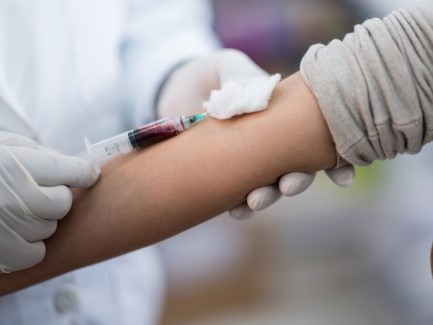
ال main reasons إلى know your فصيلة دم are if you need to have a blood transfusion or if you are pregnant. You cannot request a blood test just to know your blood group on the NHS. What is blood made up of. Blood cells These can be seen under a microscope and make up about 40% of the blood's volume. Blood cells are made in the bone marrow by.

Patient information leaflet
النوبة الإقفارية العابرة
ت نوبة نقص تروية عابرة (TIA) causes symptoms similar to a stroke. See the separate leaflet called Preventing Stroke for more information Atrial fibrillation and stroke prevention. This is because it reduces your overall risk of blo... See the separate leaflets called High الكوليسترول and Statins and other lipid-lowering medicines Statins and.
Patient information leaflet
التهاب الأقنية الصفراوية الأولي
What is primary biliary cholangitis. Primary biliary cholangitis (PBC) هو auto-immune condition in which your immune system gradually destroys the tiny tubes (bile ducts) which take bile from the liver to the gut (intestine). The trapped bile then builds up in your liver, where it causes inflammation and damage to liver cells. Exercise.
Patient information leaflet
انسداد الوريد الشبكي
What is retinal vein occlusion. This is a serious condition, which can affect your vision, caused by a blood clot in a tiny vein in the retina (the seeing membrane in your eye). The retina is a thin, light-sensitive membrane that lines the back of your eye. An occlusion is a medical term for blockage so retinal vein occlusion (RVO) means that the.
قراءة إضافية ومراجع
- lecithin-cholesterol acyltransferase; MedlinePlus, National Library of Medicine.
- Calabresi L, Pisciotta L, Costantin A, Frigerio I, Eberini I, Alessandrini P, Arca M, Bon GB, Boscutti G, Busnach G, Frasca G, Gesualdo L, Gigante M, Lupattelli G, Montali A, Pizzolitto S, Rabbone I, Rolleri M, Ruotolo G, Sampietro T, Sessa A, Vaudo G, Cantafora A, Veglia F, Calandra S, Bertolini S, Franceschini G. The molecular basis of lecithin:cholesterol acyltransferase deficiency syndromes: a comprehensive study of molecular and biochemical findings in 13 unrelated Italian families. Arterioscler Thromb Vasc Biol. 2005 Sep;25(9):1972-8. doi: 10.1161/01.ATV.0000175751.30616.13. Epub 2005 Jun 30.
- Duivenvoorden R, Holleboom AG, van den Bogaard B, Nederveen AJ, de Groot E, Hutten BA, Schimmel AW, Hovingh GK, Kastelein JJ, Kuivenhoven JA, Stroes ES. Carriers of lecithin cholesterol acyltransferase gene mutations have accelerated atherogenesis as assessed by carotid 3.0-T magnetic resonance imaging [corrected]. J Am Coll Cardiol. 2011 Dec 6;58(24):2481-7. doi: 10.1016/j.jacc.2010.11.092.
- Reshetnyak Y, Tchedre KT, Nair MP, Pritchard PH, Lacko AG. Structural differences between wild-type and fish eye disease mutant of lecithin:cholesterol acyltransferase. J Biomol Struct Dyn. 2006 Aug;24(1):75-82. doi: 10.1080/07391102.2006.10507101.
- Roshan B, Ganda OP, Desilva R, Ganim RB, Ward E, Haessler SD, Polisecki EY, Asztalos BF, Schaefer EJ. Homozygous lecithin:cholesterol acyltransferase (LCAT) deficiency due to a new loss of function mutation and review of the literature. J Clin Lipidol. 2011 Nov-Dec;5(6):493-9. doi: 10.1016/j.jacl.2011.07.002. Epub 2011 Aug 23.
- Savel J, Lafitte M, Pucheu Y, Pradeau V, Tabarin A, Couffinhal T. Very low levels of HDL cholesterol and atherosclerosis, a variable relationship--a review of LCAT deficiency. Vasc Health Risk Manag. 2012;8:357-61. doi: 10.2147/VHRM.S29985. Epub 2012 Jun 5.
- van den Bogaard B, Holleboom AG, Duivenvoorden R, Hutten BA, Kastelein JJ, Hovingh GK, Kuivenhoven JA, Stroes ES, van den Born BJ. Patients with low HDL-cholesterol caused by mutations in LCAT have increased arterial stiffness. Atherosclerosis. 2012 Dec;225(2):481-5. doi: 10.1016/j.atherosclerosis.2012.09.022. Epub 2012 Sep 27.
تاريخ المقال
المقال متاح أيضًا باللغة الإنجليزية, الألمانية, إسبانية, الفرنسية, إيطالي, البرتغالية, الهندية, العبرية, العربية ,، و السويدية.
١٢ أبريل ٢٠٢٣ | أحدث إصدار
1 Aug 2013 | نُشر في الأصل
شارك أفكارك أو تجاربك مع الآخرين في مجتمعات المرضى.
وصول بسيط إلى العلاجات والخدمات الصحية الموثوقة عبر الإنترنت.
Common conditions
Get help with common conditions through the NHS, without a GP appointment.
 التهاب الجيوب الأنفية الحاد
 التهاب اللوزتين البكتيري
 القوباء
 لدغات الحشرات
 الحزام الناريعدوى المسالك البولية
اشترك في النشرة الإخبارية للمرضى
جرعتك الأسبوعية من النصائح الصحية الواضحة والموثوقة - مكتوبة لمساعدتك على الشعور بالاطلاع والثقة والتحكم.
من خلال الاشتراك، فإنك تقبل سياسة الخصوصية. يمكنك إلغاء الاشتراك في أي وقت. نحن لا نبيع بياناتك أبدًا.