أطقم الأسنان
مراجعة من قبل الدكتورة هايلي ويلاسي، زميلة الكلية الملكية للأطباء العامين كتبه عود أسنان نُشر في الأصل 23 Feb 2015
يتوافق مع الإرشادات التحريرية
- تنزيلتنزيل
- مشاركة
- Language
- نقاش
- Ask Patient
- نسخة صوتية
- أضف إلى المصادر المفضلة على جوجل
تنويه بشأن المحتوى
لم تتم مراجعة هذه الصفحة مؤخرًا، لذا ربما تكون بعض المعلومات أو الروابط الخارجية قد تغيّرت.
الأطقم السنية هي أسنان صناعية قابلة للإزالة مصنوعة من الأكريليك أو المعدن لتحل محل الأسنان المفقودة. بينما يسعى طبيب الأسنان للحفاظ على أكبر عدد ممكن من أسنانك الطبيعية، قد يحتاج حتى الأشخاص الذين يحافظون على روتين صحي للأسنان إلى الأطقم السنية في مرحلة ما من حياتهم. لا يمكن لفقدان الأسنان أن يسبب مشاكل في النطق وتناول الطعام فحسب، بل يمكن أن يكون له تأثير عاطفي أيضًا. مهما كانت أسباب فقدان الأسنان، يمكن للأطقم السنية أن تمنع هذه المشاكل، وتعيد الثقة بالنفس، وتحسن مظهرك من خلال توفير دعم إضافي للخدين والشفتين. هناك عدة أنواع من الأطقم السنية التي يمكن النظر فيها حسب حالتك، وتختلف التكاليف وفقًا لذلك.
نظرة سريعة
Dentures are custom-made prosthetic teeth to replace missing natural teeth.
قد تحتاج إلى أطقم أسنان كاملة أو جزئية، اعتمادًا على عدد الأسنان المفقودة.
يتم تركيب أطقم الأسنان الكاملة الفورية مباشرة بعد إزالة الأسنان.
الأطقم الجزئية تملأ الفجوات ويمكن تثبيتها بأسنانك الطبيعية.
عادةً ما تحتاج أطقم الأسنان إلى الإزالة في الليل للسماح للثة بالراحة.
تكلفة أطقم الأسنان في هيئة الخدمات الصحية الوطنية هي 214 جنيهًا إسترلينيًا في إنجلترا؛ بينما تختلف التكاليف الخاصة بشكل كبير.
يجب عليك زيارة طبيب الأسنان بانتظام لإجراء الفحوصات حتى مع وجود أطقم الأسنان.
What sort of dentures do I need?
Dentures are formed by taking an impression from your mouth and are custom made by a dental technician for the best fit. The colour and the shape of the dentures may be adjusted to look as close to natural teeth as possible.
Depending on how many teeth are missing, you may need to be fitted with complete dentures or partial dentures. Your dentist will give you options depending on your circumstances:
Complete immediate dentures
Also known as full dentures, these prosthetic teeth will be fitted if all your upper and/or lower teeth need to be removed. In most cases, your dentist will be able to insert new dentures immediately after any remaining natural teeth have been removed, ensuring you will not have to go any time without teeth while your gums are healing. Complete dentures fit snugly over your gums and jawbone.
Although your dentist will have taken measurements and modelled your jaw during a prior visit to ensure the dentures fit straightaway, your gums and bone may shrink over time. This is especially true during the first six months after the teeth have been removed and the gum heals. If this is the case, you may need to have your dentures adjusted or replaced to improve the fit.
Complete conventional dentures
In some cases, your dentist might advise that your gums need to heal before you can wear dentures. Although this means that you will be without teeth for several months, you will be more likely to have dentures that fit without needing adjustment later.
Implant-assisted dentures
If you are not able to wear unassisted dentures due to bone loss or an insufficient palate, or if conventional dentures are not suited, an option could be implant-assisted dentures.
Depending on the condition of your jaw, four to six implants will be fitted to each arch, with special fittings that the denture will attach to. Like single tooth implants, this will require creating a hole through your gum into your jawbone to insert an artificial titanium root. This root will require two to six months to fuse with the bone before the denture can be attached to it.
Partial dentures
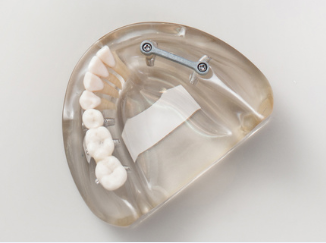
If you have some of your own natural teeth, you may only need a partial denture to fill in the gaps left by missing teeth. Partial dentures usually consist of a metal or plastic plate with a number of false teeth attached. These are either fastened to your natural teeth with a metal clasp so they can be unclipped and removed, or crowns are placed over some of your natural teeth to serve as anchors for the denture.
partial-dentures
How long should I wear dentures for?
For the first few days after being fitted with dentures, you may be advised to wear them constantly. Once your mouth gets used to wearing them, you should remove dentures before you go to bed. This will allow your gums to rest and prevent any fungal infections from developing.
How much do dentures cost?
Having dentures fitted is a band 3 treatment, which costs £214 for NHS dental patients in England. Privately, partial dentures will cost upwards of £400 and complete dentures will cost upwards of £600. The cost of implant-assisted dentures will vary significantly depending on the work involved but is likely to cost in the region of £3,000 upwards. Your dentist can provide you with a written quote before you decide. It is worth noting that dental implants help to preserve the amount of jaw bone which forms the foundation to support the denture.
How long will dentures last?
Well cared-for dentures should last several years but they may need to be relined or re-made after normal wear or after any changes in the shape of your mouth as your gums or bone shrink. Poorly fitting dentures can lead to several problems, including discomfort, bad breath, mouth sores and infections.
Some people who have been wearing full dentures over long periods can find it difficult to have well fitted dentures made.
Will dentures affect how and what I can eat?
Once you first start wearing dentures, you may want to get used to eating with small pieces of soft foods, while avoiding any particularly hard or sticky food. Once you are more familiar with dentures, you should be able to return to a normal, healthy diet.
Do I need to use an adhesive to keep dentures in place?
While you are getting familiar with your dentures, you may want to use a fixative to help keep them in place. This may also be the case if your gums have shrunk a lot. However, tight fitting dentures should not require any adhesive to keep them in place.
Will my mouth require special care?
Even if you have full dentures, you should still take good care of your mouth. Brush your gums, tongue and roof of your mouth twice a day with toothpaste and a soft toothbrush. If you have partial dentures, your natural teeth should be cleaned twice daily to prevent tooth decay, gum disease and any future loss of teeth.
What is the best way to care for dentures?
Dentures need to be cleaned as dutifully as natural teeth and are just as susceptible to plaque and trapped food deposits. At least every morning and night you should brush them with paste or soap and water before soaking. Then, they will need to be soaked in a denture cleaning solution. Particular care needs to be taken to remove any traces of denture fixative.
Finally, your dentures need to be brushed as you would your own teeth, with toothpaste and a small-headed toothbrush. If your dentures have a plaque build-up or stains, your dentist or hygienist can clean them for you.
If you remove your dentures overnight, store them in a small amount of water to stop them warping.
Remember that dentures can be quite delicate and may chip, crack or break if dropped, so take extra care when cleaning them. Do not try to adjust dentures as you may damage them beyond repair.
How often should I visit my dentist?
Even if you have complete dentures, you should plan to see your dentist regularly for a check-up so that they can monitor the health of your mouth lining and ensure that your dentures are fitting properly.
تم توفير هذه المقالة بواسطة Toothpick، المزود الرائد لـ مواعيد طبيب الأسنان عبر الإنترنت في المملكة المتحدة.
اختيارات المرضى لـ مشاكل الأسنان

العناية بالفم والأسنان
علاجات قناة الجذر
A root canal treatment is performed if you have an infection in the centre of your tooth. Root canal treatment is not painful and can save a tooth that might otherwise have to be removed completely.
by Dr Ben Williams, MB ChB
العناية بالفم والأسنان
خراج الأسنان
A dental abscess is a collection of pus which can cause toothache and other symptoms. If you suspect that you have a dental abscess, see a dentist as soon as possible for treatment. Without treatment, the condition is likely to become worse and you may lose the affected tooth. Complications are uncommon but can be serious and even life-threatening. GPs are not trained or insured to treat dental problems - do not ring your GP if you have toothache.
بقلم الدكتورة توني هازيل، FRCGP
الأسئلة الشائعة
ما هو الفرق بين أطقم الأسنان الكاملة الفورية والتقليدية؟
يتم تركيب أطقم الأسنان الكاملة الفورية مباشرة بعد إزالة أسنانك الطبيعية المتبقية، لذلك لن تضطر للعيش بدون أسنان. ومع ذلك، فإن لثتك وعظامك ستنكمش أثناء الشفاء، مما قد يتطلب تعديلات أو استبدالات لاحقًا. تتطلب أطقم الأسنان الكاملة التقليدية فترة انتظار لعدة أشهر حتى تلتئم لثتك قبل تركيبها. هذا يعني أنك ستكون بدون أسنان لفترة، ولكن من المرجح أن تتناسب الأطقم دون الحاجة إلى تعديلات لاحقة.
متى يمكن التوصية باستخدام أطقم الأسنان المدعومة بالزرع؟
قد يُوصى باستخدام أطقم الأسنان المدعومة بالزرع إذا كنت تواجه صعوبة في ارتداء أطقم الأسنان غير المدعومة بسبب عوامل مثل فقدان العظام أو عدم كفاية الحنك، أو إذا كانت أطقم الأسنان التقليدية غير مناسبة لك. تتضمن هذه الخيار وضع غرسات من التيتانيوم جراحياً في عظم الفك لتوفير تثبيت مستقر للطقم، مما يتطلب فترة شفاء لاندماج الغرسات مع العظم.
ممَّ تُصنع أطقم الأسنان الجزئية وكيف تبقى في مكانها؟
عادةً ما تتكون أطقم الأسنان الجزئية من صفيحة معدنية أو بلاستيكية مع أسنان صناعية مرفقة لملء الفجوات حيث تكون الأسنان الطبيعية مفقودة. يتم تثبيتها عادةً بأسنانك الطبيعية الموجودة باستخدام مشبك معدني، مما يسمح بفكها وإزالتها. بدلاً من ذلك، يمكن وضع تيجان على بعض أسنانك الطبيعية لتعمل كمرساة للطقم.
كم من الوقت يستغرق التحام الغرسات مع العظم لأطقم الأسنان المدعومة بالغرسات؟
بالنسبة لأطقم الأسنان المدعومة بالزرع، بمجرد إدخال الجذور الاصطناعية المصنوعة من التيتانيوم (الزرعات) في عظم الفك، يستغرق الأمر عادةً بين شهرين إلى ستة أشهر لتندمج مع العظم قبل أن يتم تثبيت الطقم بشكل آمن.
هل يمكنني تعديل أطقم الأسنان بنفسي إذا أصبحت غير مريحة؟
لا، يجب ألا تحاول تعديل أطقم الأسنان بنفسك. فهي قد تكون حساسة للغاية، ومحاولة تعديلها قد تتسبب في تلف لا يمكن إصلاحه. إذا كانت أطقم الأسنان غير مريحة أو لا تناسبك بشكل صحيح، يجب عليك استشارة طبيب الأسنان.
عن المؤلف
كتبه

عود أسنان
حول المراجععرض السيرة الذاتية الكاملة

الدكتورة هايلي ويلاسي، زميلة الكلية الملكية للأطباء العامين
طبيب عام، مؤلف طبي
MBChB (1992), DRCOG, DFFP, MRCOG (Part 1) MRCGP (2007), DFSRH (2013), MSc - medical education (2020)
كانت الدكتورة هايلي ويلاسي طبيبة عامة في هيئة الخدمات الصحية الوطنية تعمل في شمال غرب إنجلترا، وتقاعدت من الممارسة السريرية في عام 2022 بعد 30 عامًا.
تاريخ المقال
المقال متاح أيضًا باللغة الإنجليزية, الألمانية, إسبانية, الفرنسية, إيطالي, البرتغالية, الهندية, العبرية, العربية ,، و السويدية.
23 Feb 2015 | نُشر في الأصل
كتبه:
عود أسنان
مراجعة من قبل
الدكتورة هايلي ويلاسي، زميلة الكلية الملكية للأطباء العامين
شارك أفكارك أو تجاربك مع الآخرين في مجتمعات المرضى.
وصول بسيط إلى العلاجات والخدمات الصحية الموثوقة عبر الإنترنت.
Common conditions
Get help with common conditions through the NHS, without a GP appointment.
 التهاب الجيوب الأنفية الحاد
 التهاب اللوزتين البكتيري
 القوباء
 لدغات الحشرات
 الحزام الناريعدوى المسالك البولية
اشترك في النشرة الإخبارية للمرضى
جرعتك الأسبوعية من النصائح الصحية الواضحة والموثوقة - مكتوبة لمساعدتك على الشعور بالاطلاع والثقة والتحكم.
من خلال الاشتراك، فإنك تقبل سياسة الخصوصية. يمكنك إلغاء الاشتراك في أي وقت. نحن لا نبيع بياناتك أبدًا.