الديدان الأسطوانية
مراجعة من قبل الدكتور كولين تايدي، MRCGPآخر تحديث بواسطة الدكتورة توني هازيل، زميلة الكلية الملكية للأطباء العامينآخر تحديث 10 فبراير 2023
يتوافق مع الإرشادات التحريرية
- تنزيلتنزيل
- مشاركة
- Language
- نقاش
- Ask Patient
- نسخة صوتية
- أضف إلى المصادر المفضلة على جوجل
Roundworms (also called nematodes) are worms with a long round body. They vary in length from several millimetres to up to two metres. Roundworms are common in warm tropical countries and most infections seen in the UK will have been acquired abroad. Children are more often affected than adults. Treatment is usually very effective but wiping out (eradication of) roundworm infections has proved to be very difficult.
نظرة سريعة
الدودة المستديرة هي طفيليات تعيش في البشر، عادة في الأمعاء.
About 60 types of roundworm can infect humans.
تعيش بيوض الديدان الأسطوانية والديدان الصغيرة في التربة وتدخل الجسم عبر اليدين أو الجلد.
تختلف الأعراض حسب نوع الدودة المستديرة وكثير من الناس لا تظهر عليهم أي أعراض.
بعض الأعراض المحتملة تشمل ارتفاع درجة الحرارة، التعب، آلام البطن، والسعال.
يتم علاج الديدان المستديرة بأدوية مثل ميبيندازول.
يمكن أن تساعد النظافة الجيدة وتجنب الطعام الملوث في الوقاية من عدوى الديدان المستديرة.
Can humans get roundworms?
Roundworm ascaris lumbricoides
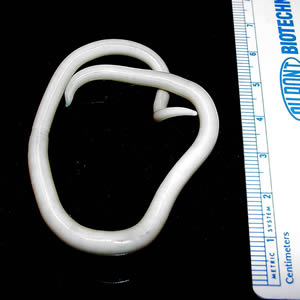
About 60 types (species) of roundworm can live in (are parasites of) humans. They usually live in the human gut. However, some species can travel from the gut to live in different parts of the body.
Roundworm eggs and tiny young worms (larvae) live in the soil. They most commonly get into the body when a person gets them on his or her hands and then transfers them to the mouth. Some can also get into the body through the skin.
Examples of roundworms
الإسكارس اللمبريكي (also called human roundworm), which is the most common roundworm infection, and affects as many as one billion people worldwide.
Hookworm infections.
Guinea worm disease (dracunculiasis).
Filariasis, which is caused by thread-like filarial nematodes (roundworms) in the family Filarioidea (also known as filariae). There are eight known filarial nematodes which use humans as the host. These are divided into three groups:
Lymphatic filariasis - caused by the worms Wuchereria bancrofti, Brugia malayi ,، و Brugia timori.
Cutaneous filariasis - caused by Loa loa (the African eye worm), Mansonella streptocerca و Onchocerca volvulus.
Body cavity filariasis - caused by the worms Mansonella perstans و Mansonella ozzardi.
Threadworm (pinworm) - see the separate leaflet called Threadworms for more detail.
Trichuriasis (whipworm).
Trichinellosis.
Angiostrongyliasis.
Strongyloidiasis.
Toxocariasis.
Gnathostomiasis.
Anisakiasis.
Cutaneous larva migrans is a skin infection that causes a rash. It can be caused by the larvae of various nematodes that get into the skin.
The number of roundworm infections throughout the world is generally increasing but varies according to levels of poverty, natural disasters and human conflicts. The spread of infection is also increasing in line with increased travel and mobility. In areas where roundworms are common, children can be continuously infected. As some worms die and are passed out in the stools (faeces), others may be growing to take their place.
Where do roundworms come from?
The life cycle of roundworms varies between types (species).
Soil and water supplies may become contaminated with roundworm eggs in areas of poor sanitation. Many roundworms have a complicated life cycle that includes both main hosts (large mammals such as humans or pigs) and intermediate hosts (small animals such as snails). Therefore, some roundworm infections occur as a result of eating uncooked contaminated food.
The eggs may survive for years in moist soil. In the soil the eggs develop into tiny young worms (larvae). Larvae can get into the human gut if you eat them with contaminated food. They pass into the bloodstream and are carried to other parts of the body - such as the lungs.
Larvae develop further and then often travel back to the gut, where the larvae then grow into adult worms. If you have worms in your gut, the female worm lays many tiny eggs. You pass these out with the stools (faeces).
Roundworm symptoms
The symptoms depend on the types (species) of roundworm causing the infection. Many affected people have no symptoms. Heavy roundworm infection in children can cause nutritional problems resulting in poor growth and poor general well-being.
Some affected people may develop one or more of the following:
ارتفاع درجة الحرارة (حمى).
الإرهاق.
Allergic rash (urticaria).
Abdominal (tummy) pains.
Feeling sick (nausea), being sick (vomiting) and/or diarrhoea.
Nerve problems.
Cough, wheeze, fever and coughing up blood (haemoptysis) - this combination of symptoms due to roundworm larvae is called Löffler's syndrome and gets better by itself within two weeks.
The larvae in the lungs can sometimes cause symptoms such as wheeze, cough and other chest problems.
Other symptoms are specific to the different species of roundworm. For example, onchocerciasis can cause eye lesions, which may cause total loss of vision.
Occasionally, roundworms cause a severe illness. For example, large numbers of worms can cause a blockage in the gut. In some people, roundworms cause serious infections to the liver or pancreas, or serious allergy symptoms.
Roundworm treatment
Control of roundworm infections is based on treatment with medication, improved sanitation and health education. Treatments usually work well but wiping out (eradication of) roundworm infections from tropical countries presents a major challenge. However, some eradication programmes (notably for guinea worm disease) have been effective in reducing the burden of infection.
How to get rid of roundworms
ميبيندازول is the usual medicine used for children aged over 1 year, and for adults who are not pregnant or breastfeeding. It comes as a tablet or drink. You take a dose twice a day for three days. (ملاحظة: mebendazole is recommended in UK guidelines for treatment from the age of 1 year. However, strictly speaking, it is not licensed for use in children younger than 2 years of age and so specialist advice should be sought for children in this age group.)
Other medicines such as albendazole, levamisole, and ivermectin are used in countries where roundworms are common. They are not often used in the UK unless under the advice of a specialist.
Diethylcarbamazine or ivermectin is used for people with infection with filariasis.
For pregnant or breastfeeding women and newborn babies - your doctor will advise.
Abdominal (tummy) pain, nausea or loose stools (diarrhoea) may briefly get worse with treatment but will then improve.
Can roundworms be prevented?
النظافة
In countries where roundworms are common, roundworms may be prevented by eating only cooked food and by avoiding green vegetables and salads. It is best if children do not play in areas of poor sanitation, or where human stool (faeces) is used as fertiliser. Always wash hands before eating or preparing food, and after going to the toilet or changing nappies.
الأدوية
If there is a high risk of infection, taking preventative medicine may be advised. For example, if you stay in an area known to be contaminated, or if you travel abroad to at-risk areas.
اختيارات المرضى لـ العدوى المرتبطة بالسفر

السفر والتطعيمات
حمى الضنك
حمى الضنك (التي كانت تُعرف سابقًا بحمى الضنك) هي مرض فيروسي شائع جدًا في المناطق الاستوائية وشبه الاستوائية. عادةً ما يكون مرضًا شبيهًا بالإنفلونزا يستمر لأقل من أسبوع، ولكنه يمكن أن يكون خطيرًا جدًا في بعض الأحيان، بل ومميتًا.
بقلم الدكتورة فيليبا فينسنت، MRCGP

السفر والتطعيمات
فيروس زيكا
كان فيروس زيكا مرضًا نادرًا قبل عام 2015 عندما أصبح تفشي مفاجئ في البرازيل موضوعًا للعناوين الدولية. ومع ذلك، كان عند مستوى منخفض نسبيًا منذ عام 2018. يمكنك الإصابة بفيروس زيكا إذا لدغتك بعوضة مصابة. عادةً ما يكون فيروس زيكا مرضًا خفيفًا جدًا. ومع ذلك، من المحتمل أن يكون سببًا للعيوب الخلقية في الأطفال الذين يولدون لأمهات مصابات بالعدوى أثناء الحمل. قد يسبب أيضًا مضاعفات أخرى. أدى القلق بشأن الارتباط المحتمل لهذه الحالات بفيروس زيكا إلى إعلان منظمة الصحة العالمية (WHO) أنه حالة طوارئ صحية عامة تثير قلقًا دوليًا. لا يزال البحث عن الوقاية من فيروس زيكا جاريًا.
بقلم الدكتورة هايلي ويلاسي، FRCGP
الأسئلة الشائعة
ما هو متلازمة لوفلر؟
متلازمة لوفلر هي مجموعة من الأعراض التي تشمل السعال، والصفير، والحمى، وأحيانًا السعال المصحوب بالدم. يمكن أن تحدث هذه الأعراض عندما تكون يرقات الديدان الأسطوانية في الرئتين. عادةً ما تختفي من تلقاء نفسها في غضون أسبوعين.
ما هي الأعراض المحددة التي يمكن أن تسببها الأنواع المختلفة من الديدان المستديرة؟
بينما تكون العديد من الأعراض عامة، فإن بعض أنواع الديدان المستديرة تسبب مشاكل محددة جدًا. على سبيل المثال، داء كلابية الذنب، وهو نوع من داء الفيلاريات، يمكن أن يؤدي إلى آفات في العين قد تؤدي إلى فقدان كامل للرؤية.
هل يمكن أن تؤدي عدوى الديدان الأسطوانية إلى مشاكل صحية خطيرة؟
نعم، في بعض الأحيان يمكن أن تسبب الديدان المستديرة أمراضًا خطيرة. قد يتسبب عدد كبير من الديدان في انسداد الأمعاء. في بعض الأفراد، يمكن أن تؤدي الديدان المستديرة إلى التهابات خطيرة في الكبد أو البنكرياس، أو تحفز ردود فعل تحسسية شديدة.
كيف يتم السيطرة على عدوى الديدان الأسطوانية على مستوى العالم؟
يعتمد التحكم في عدوى الديدان الأسطوانية على مستوى العالم على مزيج من العلاج بالأدوية، وتحسين البنية التحتية للصرف الصحي، والتثقيف الصحي لمنع الانتشار. وعلى الرغم من أن العلاجات فعالة بشكل عام، إلا أن القضاء التام على هذه العدوى في البلدان الاستوائية لا يزال يمثل تحديًا كبيرًا. ومع ذلك، فإن بعض برامج الاستئصال المحددة، مثل مرض دودة غينيا، قد نجحت في تقليل عبء العدوى.
لماذا لا تُستخدم بعض أدوية الديدان المستديرة بشكل شائع في المملكة المتحدة؟
الأدوية مثل ألبيندازول، ليفاميزول، وإيفرمكتين تُستخدم غالبًا في البلدان التي تنتشر فيها عدوى الديدان المستديرة. ومع ذلك، في المملكة المتحدة، لا تُستخدم هذه الأدوية بشكل متكرر إلا إذا نصح بها طبيب متخصص بشكل خاص.
ما هي الآثار الجانبية الشائعة لعلاج الديدان المستديرة؟
أثناء العلاج من الديدان المستديرة، قد تشعر بزيادة مؤقتة في آلام البطن (المعدة)، الغثيان، أو البراز الرخو (الإسهال). عادةً ما تتحسن هذه الآثار الجانبية بسرعة بعد المرحلة الأولية من العلاج.
ما هي العوائل الوسيطة في دورة حياة الديدان الأسطوانية؟
المضيفون الوسيطون هم حيوانات أصغر، مثل الحلزونات، التي تلعب دورًا في دورة الحياة المعقدة لبعض أنواع الديدان المستديرة. وهي تختلف عن المضيفين الرئيسيين مثل البشر أو الثدييات الكبيرة، التي تستضيف عادة الديدان البالغة.
قراءة إضافية ومراجع
- About Parasites; مراكز السيطرة على الأمراض والوقاية منها
- الطفيليات من الألف إلى الياء; مراكز السيطرة على الأمراض والوقاية منها
- Bethony J, Brooker S, Albonico M, et al; Soil-transmitted helminth infections: ascariasis, trichuriasis, and hookworm. Lancet. 2006 May 6;367(9521):1521-32.
- Roundworm؛ NICE CKS، مارس 2018 (للوصول من المملكة المتحدة فقط)
عن المؤلفعرض السيرة الذاتية الكاملة
تم التحديث بواسطة

Dr Toni Hazell, FRCGP
بكالوريوس الطب والجراحة، بكالوريوس العلوم، زميل الكلية الملكية للأطباء العامين، دبلوم في الصحة الجنسية والإنجابية، دبلوم في طب الجهاز البولي التناسلي، دبلوم الكلية الملكية لأطباء النساء والتوليد، دبلوم في صحة الطفل (لندن، المملكة المتحدة، 2000)
تخرجت الدكتورة توني هازيل من كلية الطب بمستشفى سانت ماري وأكملت تدريبها في مستشفى نورثويك بارك.
حول المراجععرض السيرة الذاتية الكاملة

الدكتور كولين تايدي، MRCGP
طبيب عام، مؤلف طبي
MBBS, MRCGP, MRCP (Paediatrics), DCH
الدكتور كولين تايدي هو طبيب في هيئة الخدمات الصحية الوطنية، ويعمل في أوكسفوردشاير.
تاريخ المقال
المقال متاح أيضًا باللغة الإنجليزية, الألمانية, إسبانية, الفرنسية, إيطالي, البرتغالية, الهندية, العبرية, العربية ,، و السويدية.
المراجعة التالية مستحقة: 9 فبراير 2028
10 فبراير 2023 | أحدث إصدار
شارك أفكارك أو تجاربك مع الآخرين في مجتمعات المرضى.
وصول بسيط إلى العلاجات والخدمات الصحية الموثوقة عبر الإنترنت.
Common conditions
Get help with common conditions through the NHS, without a GP appointment.
 التهاب الجيوب الأنفية الحاد
 التهاب اللوزتين البكتيري
 القوباء
 لدغات الحشرات
 الحزام الناريعدوى المسالك البولية
اشترك في النشرة الإخبارية للمرضى
جرعتك الأسبوعية من النصائح الصحية الواضحة والموثوقة - مكتوبة لمساعدتك على الشعور بالاطلاع والثقة والتحكم.
من خلال الاشتراك، فإنك تقبل سياسة الخصوصية. يمكنك إلغاء الاشتراك في أي وقت. نحن لا نبيع بياناتك أبدًا.