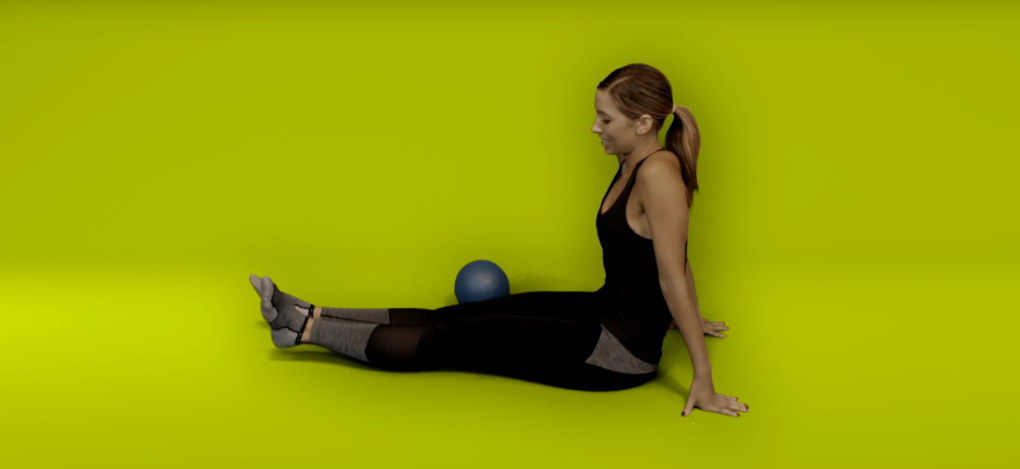
فيديو: تمارين التعافي بعد استبدال الركبة
مراجعة من قبل الدكتورة سارة جارفيسكتبه Lilly Sabri, MHPCنُشر في الأصل 15 Dec 2017
يتوافق مع الإرشادات التحريرية
- تنزيلتنزيل
- مشاركة
- Language
- نقاش
- Ask Patient
- نسخة صوتية
- أضف إلى المصادر المفضلة على جوجل
There are different types of استبدال الركبة surgery depending on the injury, the severity of the injury and the surgeon performing the procedure. This leaflet is to be used only as a guideline once you have discussed and confirmed with your surgeon and medical team that the exercises below are appropriate for you following your surgery.
اختيارات الفيديو لـ Knee healthمكتبة الفيديو
The following exercises are recommended to help reduce swelling and pain, increase range of movement, strengthen the muscles around the knee joint and prevent future problems.
قائمة التشغيل: Knee Replacement Recovery Exercises
3 فيديوهات
Knee Replacement: Outer Glutes Strengthening with Lilly Sabri | Patient Physio
ليلي سابري، MHPC
Knee Replacement: Outer Glutes Strengthening with Lilly Sabri | Patient Physio
ليلي سابري، MHPC
Knee Replacement: Inner Range Quadriceps with Lilly Sabri | Patient Physio
ليلي سابري، MHPC
Knee Replacement: Inner Thigh and Glute with Lilly Sabri | Patient Physio
ليلي سابري، MHPC
تمارين نطاق الحركة
Please remember that these exercises can only be completed once cleared with your surgeon and medical team
Knee flexion/extension sitting on the floor
Sitting with your legs straight out in front of you, support your back if necessary.
Place a plastic bag under the heel and slide it towards your bottom, using your hands or a band around the foot for support if necessary.
Slowly and controlled, straighten leg back out to the starting position.
Repeat 10 times on each affected knee, twice daily.
Knee flexion/extension sitting
An alternative to the previous exercise, should you struggle getting on and off the floor.
Sit upright in your chair with both feet planted on the floor.
Start by straightening the operated knee out as far as possible and in a slow controlled movement bend it back down and as far under the chair as possible.
You can use the non-operative leg to aid this further by hooking the ankles and assisting the foot further under the chair.
Repeat this movement 10 times on each affected leg, twice daily.
Stretches for the muscles of the knee joint
Please remember that these exercises can only be completed once cleared with your surgeon and medical team
Quad stretch
Stand with your hands supported on the back of a chair.
Bend one knee and bring your foot towards your bottom.
Hook your hand around your ankle and pull the ankle closer towards the bottom to feel a stretch in the thigh muscle at the front of the leg.
Be sure to keep the knees touching.
حافظ على التمدد لمدة 20 ثانية؛ كرر ثلاث مرات على كل جانب، مرتين يوميًا.
To simplify, either hold on to your trouser legs or place a towel or band around the ankle. This can also be completed lying on your side with the operated leg up.
Hamstring stretch
Sit upright in a chair with both knees bent.
Bring your bottom towards the front of the chair.
Straighten the operated leg as much as possible and flex your foot - toes to the sky.
Take your body weight forward.
Strengthening for the knee muscles
Please remember that these exercises can only be completed once cleared with your surgeon and medical team
Isometric quads
This a simple but very effective exercise for people with very weak quads (particularly after surgery).
Sitting on the floor, support your back and position your legs straight in front of you.
Start by pushing one knee down into the ground, feeling the quad (thigh) muscle activate.
Hold for 10 seconds and repeat 10 times on each leg, twice daily.
Inner range quads
Start sitting on the floor; support your back and position your legs straight in front of you.
Place a rolled-up hand towel underneath one knee.
Point your foot to the ceiling before pushing your knee down into the towel. You should feel your heel lift off the floor.
Hold for 10 seconds and repeat 10 times on each leg, twice daily.
Straight leg raise
A progression from the exercises above.
Sitting on the floor, support your back and position your legs straight in front of you.
Turn your foot outwards; push your knee down into the floor before lifting your leg off the ground 4-6 inches.
Hold for five seconds and repeat 10 times on each leg, twice daily.
Sit to stand
Start sitting on a chair.
Without using your hands for support, stand up from the chair and then sit back down again in a slow and controlled movement.
Complete this exercise 20 times.
As you improve, increase the number of repetitions gradually up to 50; you can also try this exercise from a lower chair.
Wall squat
Stand with your back to the wall.
Place your feet shoulder distance apart and away from the wall.
Slowly slide your hands down the wall as you lower your body into a squat position.
Do not allow the knees to buckle in, by keeping the knees directly over the middle toes.
Hold for 10 seconds and repeat 10 times, twice daily.
If you do not have access to a wall, you can complete a standing squat, ensuring your knees stay in line with your middle toes, your weight is distributed back through your heels and your chest remains proud and open. If you get an increase in knee pain, you should stop and seek professional advice.
Adductor (inner thigh muscle)
Sitting on a chair with your back supported.
Place a small soft ball or pillow in between the knees.
Engage your stomach muscles; squeeze the ball in between your inner thighs.
Hold for 10 seconds; repeat 10 times, twice daily.
Static glutes
Sitting on a chair with your back supported.
Clench your bottom muscles together and hold for 10 seconds; repeat 10 times, twice daily.
اختيارات المرضى لـ Knee health

العظام والمفاصل والعضلات
ألم الركبة الذي لا يزول: متى يحين الوقت لإجراء فحص؟
ألم الركبة شائع جدًا، ولكنه ليس من السهل دائمًا تحديد سبب الأعراض. يمكن أن يبدأ الألم في الركبة كوجع خفيف يتفاقم تدريجيًا، أو فجأة بعد إصابة ولا يختفي. يعيش العديد من الأشخاص مع ألم الركبة المستمر لعدة أشهر أو سنوات، ويتناولون المسكنات أو يريحون ساقهم عند الضرورة. لكن ألم الركبة طويل الأمد يمكن أن يؤثر على جودة حياتك وقدرتك على العمل، ويؤثر على مشاركتك واستمتاعك في الأنشطة الرياضية والترفيهية. قد يتطلب ألم الركبة المستمر، أو الألم الذي لا يتحسن، مزيدًا من التحقيق. إجراء فحص سيقدم وضوحًا حول ما يسبب الأعراض وما هي خيارات العلاج المتاحة لك. ولكن في بعض الأحيان يكون من الصعب معرفة متى يجب إجراء الفحص وأي نوع يجب اختياره. يساعد Scan.com في جعل الأمر أكثر بساطة.
بواسطة Scan.com
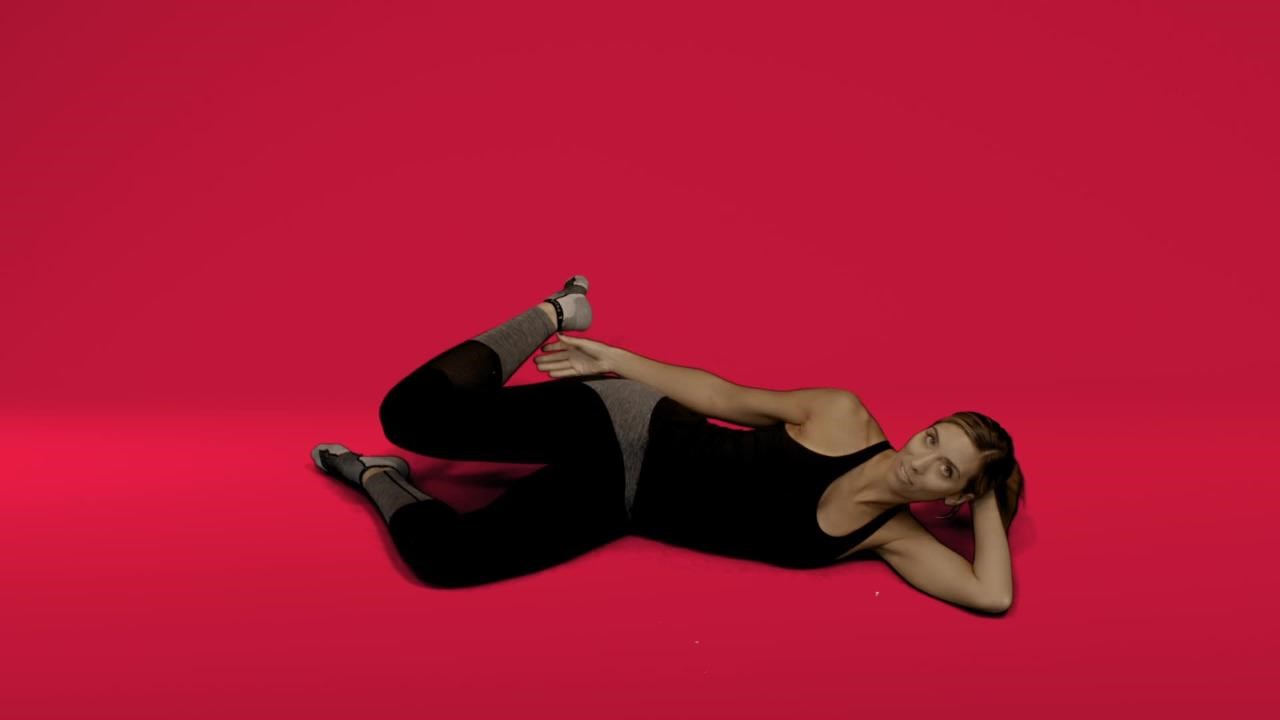
العظام والمفاصل والعضلات
فيديو: تمارين لألم الركبة
These exercises are recommended to help reduce pain, increase range of movement and strengthen the knee joint muscles and prevent future problems.
بواسطة ليلي صبري، MHPC
عن المؤلفعرض السيرة الذاتية الكاملة
كتبه

ليلي سابري، MHPC
أخصائي علاج طبيعي، مدرب شخصي
بكالوريوس العلاج الطبيعي، MCSP، MHPC، MAACP، MACSPM
ليلي سابري هي أخصائية علاج طبيعي معتمدة، ومدربة بيلاتس معتمدة من APPI، ومؤثرة في مجال اللياقة والصحة ونمط الحياة، ومؤسسة #LeanWithLilly.
حول المراجععرض السيرة الذاتية الكاملة

الدكتورة سارة جارفيس
استشاري سريري
MA (Cantab), BM, BCh (Oxon), DRCOG, FRCGP, MBE
بعد التدريب في الطب في كامبريدج وأكسفورد، أصبحت الدكتورة سارة جارفيس حاصلة على وسام الإمبراطورية البريطانية طبيبة عامة.
تاريخ المقال
المقال متاح أيضًا باللغة الإنجليزية, الألمانية, إسبانية, الفرنسية, إيطالي, البرتغالية, الهندية, العبرية, العربية ,، و السويدية.
15 Dec 2017 | نُشر في الأصل
كتبه:
ليلي سابري، MHPCمراجعة من قبل
الدكتورة سارة جارفيس
شارك أفكارك أو تجاربك مع الآخرين في مجتمعات المرضى.
اشترك في النشرة الإخبارية للمرضى
جرعتك الأسبوعية من النصائح الصحية الواضحة والموثوقة - مكتوبة لمساعدتك على الشعور بالاطلاع والثقة والتحكم.
من خلال الاشتراك، فإنك تقبل سياسة الخصوصية. يمكنك إلغاء الاشتراك في أي وقت. نحن لا نبيع بياناتك أبدًا.