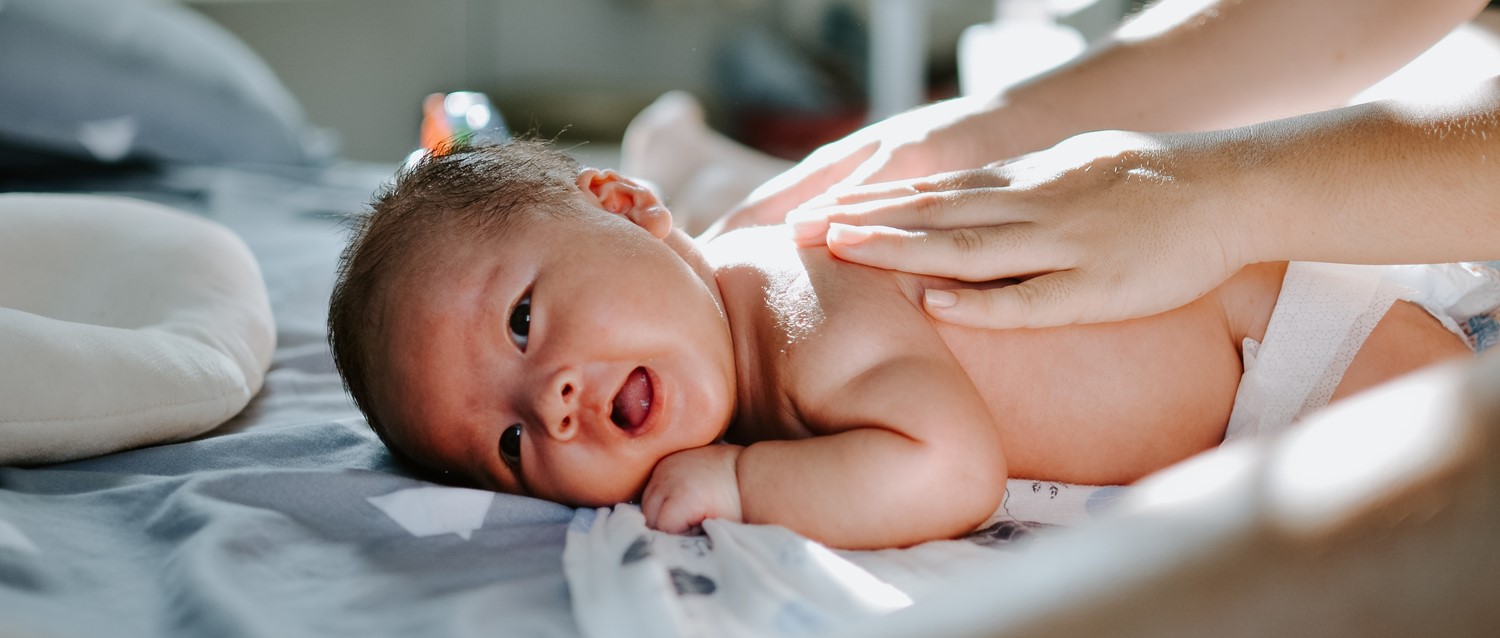
الأطفال المولودون بعملية قيصرية لديهم بكتيريا أمعاء مختلفة عن أولئك المولودين طبيعياً
مراجعة من قبل Natalie Healeyكتبه Milly Evansنُشر في الأصل 19 Sept 2019
يتوافق مع الإرشادات التحريرية
- تنزيلتنزيل
- مشاركة
- Language
- نقاش
- Ask Patient
- نسخة صوتية
- أضف إلى المصادر المفضلة على جوجل
توصلت دراسة جديدة إلى أن طريقة الولادة تؤثر في البكتيريا الموجودة في أمعاء الطفل، رغم أن تأثير هذه النتائج لا يزال غير معروف حاليًا.
اشترك في دورة الحمل الصحي المجانية لمدة 8 أسابيع!
كل أسبوع سنشارك معلومات مفيدة ونصائح أساسية حول مواضيع مثل التغذية، والتمارين الرياضية، والصحة النفسية، والأعراض التي يجب الانتباه لها، والاستعداد للولادة، لمساعدتك في التنقل خلال رحلة حملك مهما كانت المرحلة التي أنت فيها.
من خلال الاشتراك، فإنك تقبل سياسة الخصوصية. يمكنك إلغاء الاشتراك في أي وقت. نحن لا نبيع بياناتك أبدًا.
اختيارات الفيديو لـ الولادة والمخاضمكتبة الفيديو
The research, published in Nature, found that babies who are born vaginally have different gut bacteria, called the microbiome, than babies delivered by قيصرية.
Babies born by caesarean carried more bacteria associated with the hospital in their guts, whereas babies born vaginally got most of their gut bacteria from their mother.
Currently, the researchers don't know what the impact of the gut microbiome at birth has on future health. الكلية الملكية لأطباء النساء والتوليد (RCOG) has said that the findings should not deter women from caesarean births.
The gut microbiome is thought to be important for the development of the جهاز المناعة but there is currently little research into how gut bacteria develop and change in the early stages of life. There is some evidence to show that not exposing a child to the right microbes in childhood could contribute to the development of autoimmune diseases like الربو, حساسيات و السكري.
"The first weeks of life are a critical window of development of the baby's immune system, but we know very little about it," said Principal Investigator of the Baby Biome Study, Professor Peter Brocklehurst, of the University of Birmingham. "We urgently need to follow up this study, looking at these babies as they grow, to see if early differences in the microbiome lead to any health issues. Further studies will help us understand the role of gut bacteria in early life and could help us develop therapeutics to create a healthy microbiome."
The researchers studied gut bacteria from faecal (poo) samples from nearly 600 babies and 175 mothers. They found that the gut bacteria found in vaginally delivered babies actually came from the mother's gut rather than her vaginal bacteria. Babies delivered by caesarean section carried more bacteria associated with a hospital environment.
Some babies are swabbed with vaginal bacteria from the mother after a caesarean section as previous studies suggested that vaginal bacteria was swallowed by the baby on its way down the birth canal. However, these new findings highlight that this is likely of no benefit and could in fact be introducing harmful bacteria into the baby's gut.
Mothers who will be delivering by caesarean section are routinely offered antibiotics before the delivery to prevent them developing infections after the operation. The researchers believe that this could play a role in the microbiome of their babies.
Whilst babies born by caesarean section carry different bacteria in the early days of life, the differences in babies' gut microbiomes at birth do eventually level out, leading the researchers to question the overall impact of the findings on a child's future health.
"Our study showed that as the babies grow and take in bacteria when they feed and from everything around them, their gut microbiomes become more similar to each other," said Dr Nigel Field, a senior author on the paper from UCL.
"After they have been weaned, the microbiome differences between babies born via caesarean and delivered vaginally have mainly evened out. We don't yet know whether the initial differences we found will have any health implications."
Because there isn't yet further research into the impact of the baby microbiome, the RCOG has warned not to avoid caesarean sections as a result of the study.
Dr Alison Wright, Vice President of the RCOG, said: "In many cases, a caesarean is a life-saving procedure, and can be the right choice for a woman and her baby. The exact role of the microbiome in the newborn and what factors can change it are still uncertain, so we don't think this study should deter women from having a caesarean. This study shows that more research is required to improve our understanding of this important area."
This study was published in Nature.
اختيارات المرضى لـ الولادة والمخاض

الحمل
النساء السود أكثر عرضة لتجربة ولادة جنين ميت مقارنة بالنساء البيض
وجدت أبحاث جديدة أن النساء السود أكثر عرضة بمرة ونصف إلى مرتين للمعاناة من ولادة جنين ميت مقارنة بالنساء البيض.
بقلم ميلي إيفانز
الحمل
الولادات المنزلية آمنة مثل المستشفى للحمل منخفض المخاطر
A study has shown that home births are as safe as hospital births for low-risk pregnancies.
بقلم ميلي إيفانز
عن المؤلفعرض السيرة الذاتية الكاملة
كتبه

ميلي إيفانز
محرر
تكتب ميلي عن مجموعة من المواضيع الصحية، مع اهتمام خاص بعدم المساواة في الصحة والصحة الجنسية.
حول المراجععرض السيرة الذاتية الكاملة

ناتالي هيلي
صحفي مستقل
بكالوريوس (مع مرتبة الشرف) في العلوم الطبية الحيوية
هي صحفية صحية مقرها لندن وقد كتبت عن العلوم والطب لعدة سنوات. كانت رئيسة التحرير السابقة في موقع Patient.
تاريخ المقال
المقال متاح أيضًا باللغة الإنجليزية, الألمانية, إسبانية, الفرنسية, إيطالي, البرتغالية, الهندية, العبرية, العربية ,، و السويدية.
19 Sept 2019 | نُشر في الأصل
كتبه:
ميلي إيفانزمراجعة من قبل
ناتالي هيلي
شارك أفكارك أو تجاربك مع الآخرين في مجتمعات المرضى.
اشترك في النشرة الإخبارية للمرضى
جرعتك الأسبوعية من النصائح الصحية الواضحة والموثوقة - مكتوبة لمساعدتك على الشعور بالاطلاع والثقة والتحكم.
من خلال الاشتراك، فإنك تقبل سياسة الخصوصية. يمكنك إلغاء الاشتراك في أي وقت. نحن لا نبيع بياناتك أبدًا.