حمية الكيتو: ما هي وهل تعمل؟
مراجعة من قبل الدكتورة سارة جارفيسآخر تحديث بواسطة الدكتورة كاري روكستون، دكتوراه، تغذية الأطفالآخر تحديث 6 مارس 2019
يتوافق مع الإرشادات التحريرية
- تنزيلتنزيل
- مشاركة
- Language
- نقاش
- نسخة صوتية
- أضف إلى المصادر المفضلة على جوجل
Low-carbohydrate plans are becoming more established in the nutrition world, but what about their more extreme cousin, the ketogenic diet? Touted by Hollywood celebs for burning fat, reducing appetite and managing blood sugar, is it really everything it's claimed to be? And what about the risks?
What is the keto diet?
The ketogenic diet has been around for more than 100 years when it was developed for the treatment of severe الصرع. Doctors at the time noticed that short-term starvation helped patients to control their seizures but this wasn't a safe or convenient option for everyone, particularly children.
Research showed that a 'water only' starvation diet worked because substances called ketone bodies, produced as a byproduct of fat burned for energy, were released into the bloodstream by the liver. These acted in the brain to combat the abnormal nerve impulses blamed for epilepsy. Later studies found that a low-carb, high-fat diet could do the same job and the keto diet was born.
After falling out of favour for a few decades, when medicines for epilepsy improved, the diet had a resurgence in the 1990s thanks to high-profile doctors in the US, and is still used today as a first-line treatment for some neurological conditions.
How does the keto diet work?
The original keto diet consisted of one gram of protein for each kilogram of body weight, plus 10-15 grams of carbs and the remaining calories from fat, which was pretty extreme. Nowadays, specialist dieticians calculate the amount of fat, carbohydrate and protein that each patient needs based on their body weight and nutritional requirements. This can make the diet easier to follow and reduce the risk of deficiency.
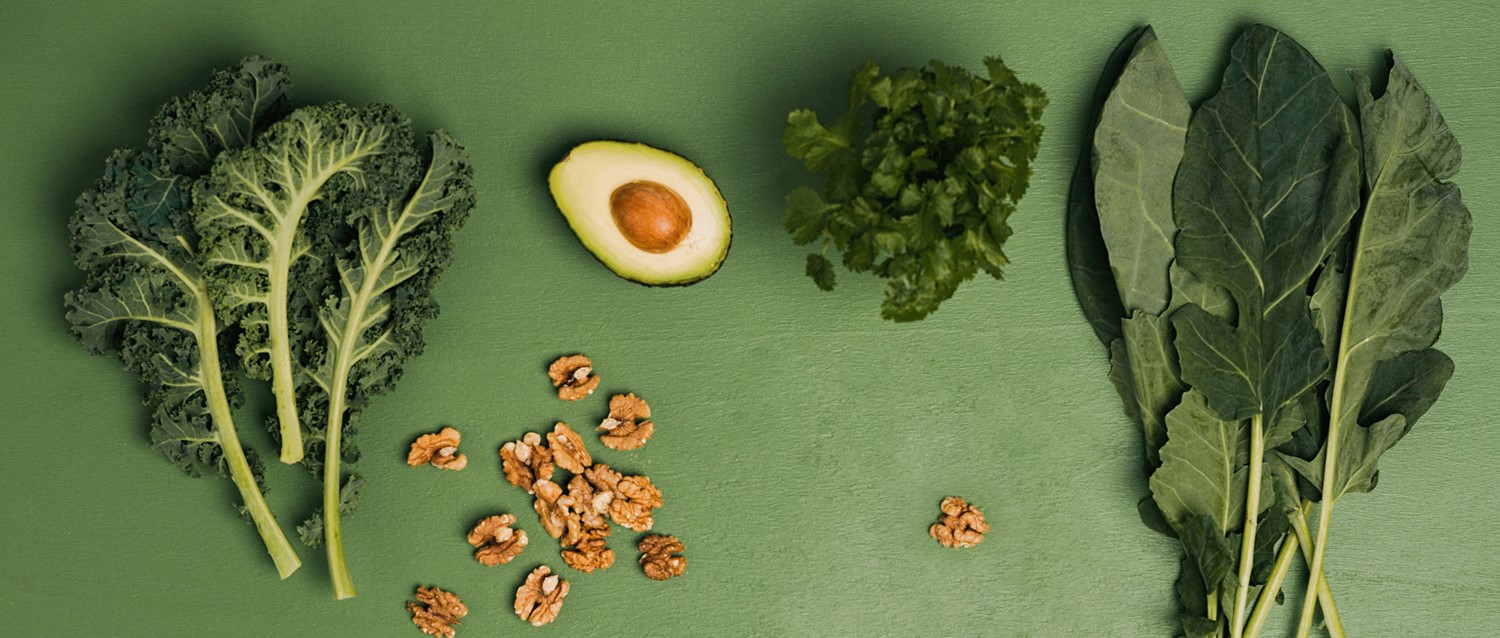
A typical day's diet might involve double cream, meat, eggs, butter, vegetable oil with a few servings of low-carb vegetables and fruits, like celery, apple or berries. Starchy carbs, like bread, pasta, breakfast cereals, potatoes and rice, are excluded, as are bananas, peas, and corn.
ت keto breakfast might include a range of dishes such as French crepes, smoked salmon egg bites, and a keto smoothie. A keto lunch or dinner on the other hand might include foods such as scrambled eggs, chicken, and broccoli.
Because the keto diet is not nutritionally complete, dietary supplements are advised.
Dietician, Dr Frankie Phillips, comments: "While there is plenty of social media chatter about keto diets, I would always stress that it's primarily a therapeutic diet for medical conditions like epilepsy, Parkinson's disease, or chronic headache. If you are looking to lose weight or manage blood sugar levels, there are far less complex options available, such as low-fat diets or moderate to low-carb diets, which are also more nutritionally balanced."
Is the keto diet safe?
Dozens of high-quality studies and specialists reviews, called meta-analyses, have been published on the benefits of the ketogenic diet for drug-resistant epilepsy.
The most important of these was a Cochrane review - the go-to evidence for medical and healthcare professionals - which looked at the findings of 11 clinical studies. The results showed that keto diets could help up to 55% of patients become free of seizures, or reduce their symptoms by up to 85%. However, the studies were small and fairly low in quality. Nevertheless, the authors concluded that there was promising evidence for keto diets, and the easier-to-use modified Atkins diets, in children as well as adults.
For other conditions, the health benefits are far less clear. Some studies show symptomatic relief in individuals with Parkinson's disease or Alzheimer's but there are too few studies to be sure that keto diets would be right for everyone with these conditions. Scientists have also raised concerns about keto diets worsening malnutrition in elderly people with neurological conditions.
Does the keto diet really work?
For weight loss - the main reason why celebs reach for keto or low-carb diets - the results don't seem worth the effort in sticking to a highly restrictive diet.
A meta-analysis published in the British Journal of Nutrition combined the results of 13 studies which followed patients using keto or low-fat calorie-controlled diets for at least a year. While the keto diets performed statistically better, the difference in average weight loss between the diets was less than a kilogram (1/2 lb) which is not clinically relevant to health. After two years, even those small differences vanished.
Keto diet side effects
Reported side effects of the keto diet include short‐term stomach upsets and increased blood الكوليسترول levels. From a social perspective, the long list of banned foods can make celebrations and dinner invitations rather awkward. Indeed, reports show that patients find it difficult to stick to strict low-carb diets long-term.
Phillips comments: "As the best evidence is for drug-resistant epilepsy in children and adults, these are the main groups of patients who could try the keto diet, but under supervision from medical and dietetic experts. The charity, Matthew's Friends, has some great information on its website about how to get started. As for other medical conditions, or weight loss, there are alternative eating plans which are less restrictive, have fewer side effects, and which are more likely to be healthy and effective. Ask your GP for a referral to a dietician to chat through the options."
اختيارات المرضى لـ الحمية
النظام الغذائي والتغذية
ما هو نظام أورنيش الغذائي وهل يمكنه تحسين صحتك؟
The Ornish diet is a plant-based plan, originally developed by Dr Dean Ornish as a way of preventing and reversing heart disease. It promotes a diet low in fat, and high in fibre, alongside significant lifestyle changes. It encourages you to reduce your intake of sugar and processed foods, while incorporating regular exercise, and managing stress.
بقلم فيكتوريا راو
النظام الغذائي والتغذية
نهج هجين في الأكل: دليلك إلى حمية البيغان
نحن جميعًا على دراية بالمفاهيم الهجينة - سواء كانت في العمل، السيارات، أو حتى النباتات. ولكن هل سمعت عن الأكل الهجين؟ النظام الغذائي البيجان هو مزيج من نهجين شائعين - النباتي والباليو (العصر الحجري) - الذي يجمع بين أفضل ما في العالمين. هذا النمط الغذائي الغني بالمغذيات يكتسب شعبية بسرعة، لذا دعونا نلقي نظرة على ما يدور حوله وكيف يمكن أن يفيد صحتك.
بقلم فيكتوريا راو
عن المؤلفعرض السيرة الذاتية الكاملة
الدكتورة كاري روكستون، دكتوراه، تغذية الأطفال
Dietitian and Health Writer
PhD, Child Nutrition
Dr Carrie Ruxton qualified as a Dietitian at Queen Margaret University, Edinburgh, before gaining a PhD in Child Nutrition.
حول المراجععرض السيرة الذاتية الكاملة

الدكتورة سارة جارفيس
استشاري سريري
MA (Cantab), BM, BCh (Oxon), DRCOG, FRCGP, MBE
بعد التدريب في الطب في كامبريدج وأكسفورد، أصبحت الدكتورة سارة جارفيس حاصلة على وسام الإمبراطورية البريطانية طبيبة عامة.
تاريخ المقال
تمت مراجعة المعلومات الموجودة في هذه الصفحة من قبل أطباء مؤهلين.
المقال متاح أيضًا باللغة الإنجليزية, الألمانية, إسبانية, الفرنسية, إيطالي, البرتغالية, الهندية, العبرية, العربية ,، و السويدية.
6 مارس 2019 | أحدث إصدار

اسأل، شارك، تواصل.
تصفح المناقشات، اطرح الأسئلة، وشارك التجارب عبر مئات المواضيع الصحية.

هل تشعر بتوعك؟
قم بتقييم أعراضك عبر الإنترنت مجانًا
اشترك في النشرة الإخبارية للمرضى
جرعتك الأسبوعية من النصائح الصحية الواضحة والموثوقة - مكتوبة لمساعدتك على الشعور بالاطلاع والثقة والتحكم.
من خلال الاشتراك، فإنك تقبل سياسة الخصوصية. يمكنك إلغاء الاشتراك في أي وقت. نحن لا نبيع بياناتك أبدًا.
المزيد في النظام الغذائي والتغذية
- 8 فوائد لشاي الماتشا
- هل بذور اليقطين مفيدة لك؟
- الأطفال المولودون بعملية قيصرية لديهم بكتيريا أمعاء مختلفة عن أولئك المولودين طبيعياً
- هل يمكن للبروبيوتيك علاج السمنة والسكري؟
- هل تعمل حميات رأس السنة الجديدة بالفعل؟
- هل مكملات زيت السمك أوميغا 3 لها فوائد صحية مثبتة؟
- هل يساعد عصير الصبار حقًا في صحة الأمعاء؟
- كيف يمكن لوجبة إفطار غنية بالبروتين أن تعزز صحتك
- كيف يمكن للأنظمة الغذائية القاسية أن تؤثر على مرونتك الأيضية؟
- كيفية مساعدة أطفالك على تناول الطعام الصحي خلال عيد الميلاد
- كيفية صنع البطاطس المشوية الصحية
- كيف يؤثر جهازك الهضمي على صحتك العامة
- حمية القولون العصبي: الأطعمة التي يجب تناولها وتجنبها
- حمية تكيس المبايض: ماذا تأكلين لإدارة الأعراض
- البروتينات النباتية قد تساعد في الوقاية من ارتفاع ضغط الدم
- الحقيقة حول الدهون في نظامك الغذائي
- ما هي الأطعمة فائقة المعالجة وهل تسبب السرطان؟
- ما هو الأكل الحدسي - وهل يمكن أن يحسن علاقتك بالطعام؟
- ما العلاقة بين القلق وصحة الأمعاء؟