الاختراق الحيوي: من أين تبدأ، وأين تتوقف
مراجعة من قبل الدكتور كولين تايدي، MRCGPكتبه Helena Barham-Coppolaنُشر في الأصل 2 Sept 2026
يتوافق مع الإرشادات التحريرية
- تنزيلتنزيل
- مشاركة
- Language
- نقاش
- نسخة صوتية
- أضف إلى المصادر المفضلة على جوجل
'Biohacking' is a trend that aims to improve longevity and to make your brain and body function better by supposedly 'hacking' biology.
Can this really be done - if so how, is it safe, and are there any drawbacks to look out for?
Why is biohacking becoming so popular?
In a world shaped by a major global pandemic, apparently stalling life expectancy and decreasing healthy life expectancy in the UK, it’s no surprise that more people are trying to take their health into their own hands. For many, this means looking beyond conventional approaches in an effort to live healthier for longer.
Healthy life expectancy refers to the number of years a person can expect to spend in good health. As of 2024, men can expect to live nearly a quarter of their lives in poorer health, while women can expect to spend slightly more of theirs in this state.
Interestingly, women’s health is decreasing at a faster rate than men’s. So on average we may find ourselves in less than great shape way before retirement age hits.
Where did biohacking come from?
Biohacking appears to have emerged as a concept in the 2000s and 2010s - also called 'DIY Biology' back then. It initially seemed to focus more on using medications experimentally, with the aim of fighting back at ‘big pharma’ for being too expensive and taking too long to bring new medicines to market. Another even more extreme aspect focuses on trying to edit our DNA by injecting unapproved, unregulated gene therapies.
Various scientific and health authorities repeatedly warn heavily against using any medication experimentally - unless under direct medical supervision - as it poses huge potential health hazards. The warnings are increasingly worth heeding, when considering that a number of voices in the biohacking sphere do not have any scientific background. Thanks to the near-total lack of regulation on social media, misinformation is rife in this area.
What about biohacking today?
Thankfully, biohacking has evolved somewhat from its earlier focus - though, of course, the wave of DIY biology still very much exists.
Alongside this, there are three other broad categories:
DIY biology - focusing on high-risk self-medication and DIY gene therapy.
Grinder or body modification biohacking - which includes adding technology, magnets, and chips under your skin to alter or boost human sensory or physical limits.
Supplement and trackers biohacking - includes the use of supplements and functional testing, such as blood tests, continuous glucose monitoring in the absence of diabetes, and poo (stool) testing along with wearables to track sleep, exercise, and more.
Lifestyle biohacking - using behaviours and nutrition to optimise health.
While DIY biology and grinder biohacking are relatively niche, the use of supplements, testing, and lifestyle biohacking is all over social media, depending on which corner you inhabit, of course. With the aim of biohacking in mind, to improve health and longevity, let’s have a closer look at some of the more common aspects.
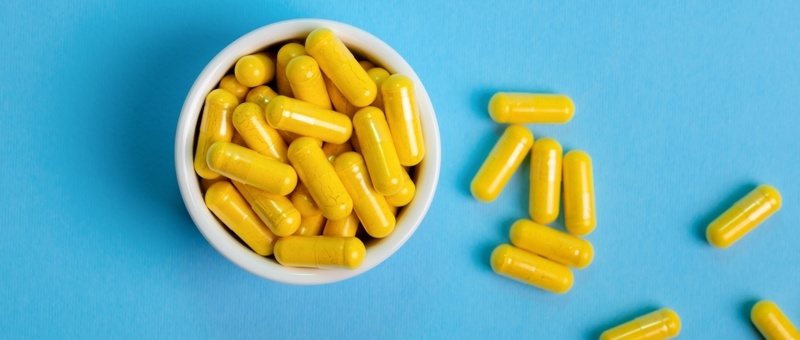
Biohacking with supplements
As a nutritional therapist, I am no stranger to supplements, either for myself or with my clients. Supplements can play a key role in a wider protocol that aims to improve a person's quality of life. The food we eat today - sadly, yes, including vegetables - is not as nutrient dense as it once was. This means that even if you are eating a perfect diet, you can still struggle to get all the nutrients you need to function optimally.
However, people seem to forget that supplements are not mere sugar pills. We can overdose on vitamins, especially the fat soluble ones - A,D, E, and K. Too many antioxidants is not a good thing. For example, in my experience as a fertility nutritionist, they can decrease sperm quality. Excessive minerals may lead to symptoms ranging from organ damage, to kidney stones, to hair and nails falling out.
People also seem to miss that supplements, though potentially providing wonderful benefits, also need processing and detoxing in your liver and kidneys. More than enough times, I have had biohacker-type clients coming to me brandishing supplement stacks of over 50 products per day. I am rarely surprised to see, when we look at their blood tests, that their liver and kidney function is suboptimal.
Taking large numbers of supplements also runs the possibility of interactions, both with each other and with medications. There is also the risk of excessive supplementation by accidentally doubling up on nutrients found in different products.
I wish I could give you the perfect list of supplements to start optimising your health today, but humans do not work that way. We all have unique DNA, environmental exposures, and histories. I rarely recommend supplementation without having looked at a client’s blood test results, so please bear this in mind next time you see a social media influencer pushing the ‘latest and greatest must have’ supplement. At best, poor supplements can be a waste of money, and at worst, they can be downright dangerous.
Taking vitamin D in winter
Having that that, I do advise anyone who listens to take a vitamin D supplement through the winter months - as the NHS recommends. Opt for a spray version as these are absorbed better than pills, but stick to the recommended dose unless you know you need more. Periodic use of a multivitamin or omega-3 fatty acids or fish oils can be helpful, but it is also good to take breaks from supplements to see how you actually feel. Additionally, always look for interactions with medications you are on. It is best to consult your doctor or a nutritionist.
Biohacking with functional testing
Functional testing is a hallmark of biohacking. It can refer to the testing of your urine, blood, stools, saliva - even hair samples and cheek swabs. Conventional ranges typically used by doctors are often overlooked in favour of physiologically optimal values.
Conventional ranges are generally based on population statistics, with anyone falling in the top or bottom 5% deemed worth investigating further. Someone could be sitting on the borderline for years, feeling awful, and repeatedly being sent away by a doctor being told that it is all fine. And it is ‘fine’ - if fine means the absence of disease. But biohackers, and many others who do not associate with this title, want better than ‘fine’.
Opting for a private functional health check every year may therefore be something very supportive for someone wanting to feel better in themselves. After all, cars are taken to the garage every year for an MOT - so why not our bodies? Having data to work from means we can take a much more targeted and sensible approach to diet, supplements, and lifestyle changes.
However, beware of the data-hunger trap. Yes, data is very useful, but only really when it is in the hands of someone who actually knows what to do with it. Otherwise it is a case of looking at some rather expensive numbers. I would also recommend refraining from extensive testing more than twice per year for the same reason. If you are looking to do some functional testing, I suggest doing it with a functional medicine practitioner or nutritional therapist who specialises in such things and can give you practical insights and tailored recommendations.
Biohacking with diet and lifestyle
Diet and lifestyle are perhaps the more accessible aspects of biohacking. Supplements and testing can add up to thousands of pounds a month in some cases.
There is a huge variation in what is thought of as the best diet for humans - ranging from all-plants to total carnivore at the extremes. One of the few aspects regularly agreed on within biohacking communities is the avoidance, or significant reduction in, ultra processed foods (UPFs). This is increasingly backed up by data in terms of overall health outcomes. UPFs foods tend to be higher in salt, sugar, and saturated fats, while being relatively stripped of fibre and nutrients.
Check the label
Some foods packaged as ‘high protein’ or ‘high fibre’ are in fact highly processed and can make these claims by introducing additives to the product. Even with the health claims attached, I would rather a client opts for a whole food alternative. Always look at the label.
Lifestyle aspects of biohacking can include a very wide range of interventions.
Here are a few to consider:
Fasting - extensive fasting to balance blood sugar and ‘detox the body’ can be a part of a biohacker’s toolkit. Generally, I would advise a 12 hour fast overnight - for example, 8 pm to 8 am - to give your digestive system a rest. Longer fasting periods can be used, but there are situations where it may not be suitable, and I wouldn’t recommend prolonged fasting without professional support.
Morning light - there is good evidence around setting your circadian rhythm with morning light. Try to get into morning light within half an hour of waking. The important bit is daylight hitting receptors at the back of your eyes to suppress melatonin production and increase alertness. Do not stare directly into the sun.
Cold exposure - evidence suggests cold plunging can help lower inflammation. However, not everybody needs an ice bath to reap the potential benefits. There are physiological differences between men and women that mean women may get the benefits at slightly higher temperatures. And if the thought of a cold plunge sound like torture to you, you don’t have to do it.
Sauna - heat exposure may support cardiovascular health by helping your blood vessels relax and function better, lowering blood pressure, and reducing arterial stiffness.
Breathwork - backed by a lot of research, breathwork is one of my favourite techniques here, mostly because of how accessible it is. We all breathe, after all. Breathwork means turning the focus in onto the breath and following certain patterns. Slowing the breath to 5 or 6 rounds per minute can lead to lowered heart rate, increased heart rate variability, and decrease stress levels.
This list is, of course, non-exhaustive. We could include everything from hypnotherapy to support mental and emotional wellbeing, hydrogen therapy, and red light therapy, to comprehensive exercise routines that combine resistance training, aerobic exercise, balance, and flexibility. When it comes to biohacking, the sky - and your wallet - is the limit.
Where biohacking goes sour
I like to use the definition of biohacking that focuses on longevity, health extension, and optimisation. The other definition, with the aim of unlocking some superhuman function, never before accessed by mortals, does not feel right to me. I personally do not think we are able to outsmart millions of years of human evolution.
It is also worth noting that many of the founders of the biohacker movement are men. There seems to be an increasing awareness of female biology being different. However, many recommendations remain unnecessarily hard-core, in my opinion, for those with a double X chromosome in every cell of their body.
Options for how to biohack are endless, ranging from the sensible to the extreme.
Here are a few areas I would not recommend going into:
IV drips and infusions - without prior testing or advice from a healthcare practitioner.
Peptide injections - despite what social media might say, human research on many popular peptides is incredibly limited. Only consider them under appropriate medical supervision.
Taking more than a few supplements per day - unless instructed by a healthcare professional.
Electrolytes without increased need - for example, severe dehydration, prolonged heat exposure or sweating, or running a marathon. Electrolytes are incredibly overhyped at the moment and run the risk of unintentional sodium overload.
Constantly wearing a continuous glucose monitor (CGM) - this may be good for initial education, but unless it is being used to monitor a health condition, I would avoid the data overload.
GLP-1 use in already lean people for longevity - currently there is limited research to support this as an appropriate therapy.
Extreme fasting supposedly aiming to promote longevity - without considering sex, body composition, eating disorder history, medication, nutritional status, among other factors.
Hyperbaric oxygen therapy (HBOT) for general wellness - there is great research in specific medical conditions, but this does not necessarily mean the findings can be applied to healthy populations.
Parasite cleanses where there is no evidence of an actual parasite - these cleanses are all over social media, and few are rooted in actual science.
Where to start
If you are interested in improving your health or starting on a biohacker journey, I respect your desire and drive to support better, longer lasting health. Often the things that are best for us are not the most rewarding or palatable, but the pay-offs can be great - remember being told to eat your greens as a child?
But wherever that journey takes you, please make sure that you are doing it safely. The moment a health routine becomes unbreakable, it is no longer a health routine. Don’t do anything out of pressure from social media. Be very cautious of anyone overpromising on a single ‘hack’, be it a supplement, diet, or product - and if something doesn’t feel right to you then give yourself the freedom to stop.
Biohacking should not be about living an unobtainable, over-expensive lifestyle. It should be about looking after your health, your body - and your mind.
Helena Barham-Coppola is a BANT-registered Nutritional Therapist and Functional Medicine Practitioner. She runs her practice, Nourish&Be, online and on Harley Street, London, supporting clients with everything from fertility and women’s health to weight management and health optimisation. She also incorporates hypnotherapy and mind-body approaches to support health and wellbeing.
اختيارات المرضى لـ التغذية الصحية
صحة المرأة
الكثير من الحبوب؟ الزيادة المقلقة في تعدد الأدوية لدى النساء في منتصف العمر
When a health gap warrants more attention, most healthcare professionals focus on finding better ways to support people. Others, however, see that same gap as a business opportunity. One result is the rise of polypharmacy - taking multiple medications or supplements at the same time without clear clinical guidance.
بقلم فيكتوريا راو
الحياة الصحية
Gratification snoozing: the viral sleep trend that could be making you more tired
Getting enough quality sleep is one of the best things you can do for your health. So naturally, social media has found a way to interfere with it. The latest viral craze, ‘gratification snoozing’, involves setting multiple alarms throughout the night so you can enjoy the feeling of falling back asleep. But while it may sound satisfying, this trend could be doing more harm than good. Here’s why experts say gratification snoozing isn’t the sleep hack it’s claimed to be - and what you should do instead to wake up feeling genuinely refreshed.
بقلم فيكتوريا راو
عن المؤلفعرض السيرة الذاتية الكاملة
كتبه
Helena Barham-Coppola
Helena is a BANT-registered nutritionist with expertise in a range of areas, including fertility, weight management, digestive support, and general wellbeing, helping people make sustainable changes to improve their overall health. She works predominantly with women's health, fertility, healthy ageing, and weight loss clients.
حول المراجععرض السيرة الذاتية الكاملة

الدكتور كولين تايدي، MRCGP
طبيب عام، مؤلف طبي
MBBS, MRCGP, MRCP (Paediatrics), DCH
الدكتور كولين تايدي هو طبيب في هيئة الخدمات الصحية الوطنية، ويعمل في أوكسفوردشاير.
تاريخ المقال
المقال متاح أيضًا باللغة الإنجليزية, الألمانية, إسبانية, الفرنسية, إيطالي, البرتغالية, الهندية, العبرية, العربية ,، و السويدية.
Next review due: 2 Sept 2029
2 Sept 2026 | نُشر في الأصل
كتبه:
Helena Barham-Coppolaمراجعة من قبل
الدكتور كولين تايدي، MRCGP
انضم إلى المحادثة
شارك أفكارك أو تجاربك مع الآخرين في مجتمعات المرضى.

اسأل، شارك، تواصل.
تصفح المناقشات، اطرح الأسئلة، وشارك التجارب عبر مئات المواضيع الصحية.

هل تشعر بتوعك؟
قم بتقييم أعراضك عبر الإنترنت مجانًا
اشترك في النشرة الإخبارية للمرضى
جرعتك الأسبوعية من النصائح الصحية الواضحة والموثوقة - مكتوبة لمساعدتك على الشعور بالاطلاع والثقة والتحكم.
من خلال الاشتراك، فإنك تقبل سياسة الخصوصية. يمكنك إلغاء الاشتراك في أي وقت. نحن لا نبيع بياناتك أبدًا.