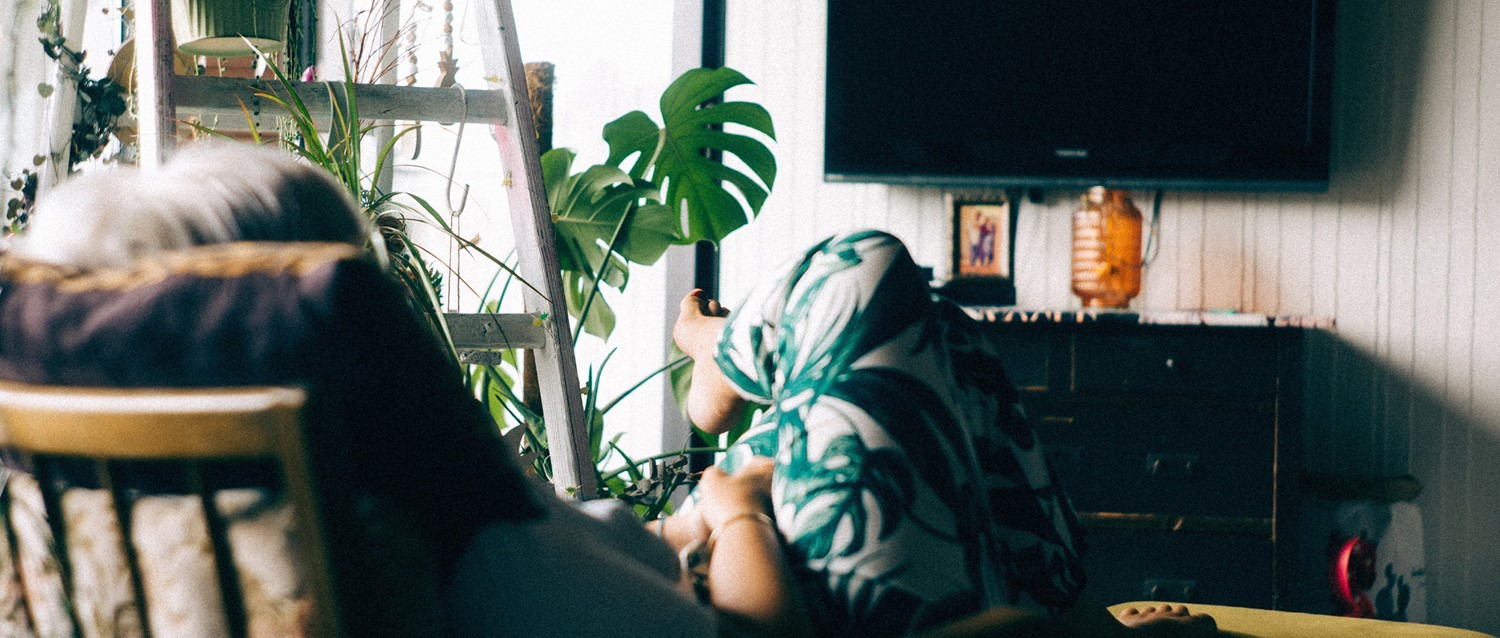
أطفئ التلفاز في غرفة النوم لتجنب زيادة الوزن
مراجعة من قبل Natalie Healeyكتبه Natalie Healeyنُشر في الأصل 11 Jun 2019
يتوافق مع الإرشادات التحريرية
- تنزيلتنزيل
- مشاركة
- Language
- نقاش
- Ask Patient
- نسخة صوتية
- أضف إلى المصادر المفضلة على جوجل
Sleeping with a television or light on in your bedroom may be a risk factor for gaining weight, according to scientists.
Explore medical weight management options
احصل على مشورة صحية متخصصة وأنت في راحة منزلك. أكمل استشارة سريعة عبر الإنترنت، متاحة على مدار الساعة طوال أيام الأسبوع، وسيراجع طلبك ممارس صحي مسجل في المملكة المتحدة. تتوفر خدمة التوصيل في اليوم التالي للعلاجات المؤهلة.

اختيارات الفيديو لـ السمنة وفقدان الوزنمكتبة الفيديو
The study, conducted at the National Institutes of Health, is the first to suggest an association between exposure to artificial light at night while sleeping and زيادة الوزن. The researchers believe total darkness at bedtime could reduce the chances of becoming obese.
The results varied with the level of artificial light exposure. Using a small nightlight was not associated with weight gain, whereas those who slept with a light or television on were 17% more likely to have gained five kilograms or more over five years.
The team looked at data from over 40,000 women. The participants were aged 35-74, had no history of cancer or أمراض القلب, and were not shift workers or pregnant when the study began. Women were asked whether they slept with no light, a small nightlight, light outside of the room, or a light or television on in the room. Weight, height, waist and hip circumference and مؤشر كتلة الجسم (BMI) measurements were recorded at the start of the study, and five years later at the end.
Dr Chandra Jackson, head of the NIEHS Social and Environmental Determinants of Health Equity Group, and one of the study's co-authors said: "Humans are genetically adapted to a natural environment consisting of sunlight during the day and darkness at night. Exposure to artificial light at night may alter hormones and other biological processes in ways that raise the risk of health conditions like السمنة."
Of course, other factors may explain the association between artificial light and weight gain. But the researchers say their findings did not change when they controlled the data for characterisations that may be associated with artificial light exposure at night or weight gain, such as age, children in the home, race, calories consumed and physical activity.
Dr Michelle Miller, associate professor of biochemical medicine at the University of Warwick, said the research was promising but pointed out there were a number of limitations with the methods used.
"The study was only conducted in women; measures of light exposure were self-reported and non-quantifiable and sleep duration was also self-reported. The findings are however consistent with current advice that sleeping environments should be as dark as possible."
اختيارات المرضى لـ السمنة وفقدان الوزن

الحياة الصحية
هل ستنجح استراتيجية الحكومة لمكافحة السمنة؟
أطلقت الحكومة استراتيجية جديدة لمكافحة السمنة، تحث الناس على فقدان الوزن لحماية أنفسهم من فيروس كورونا. ولكن هل ستساعد الحملة حقًا الأمة على أن تصبح أكثر صحة؟
بقلم أندريا داوني
الحياة الصحية
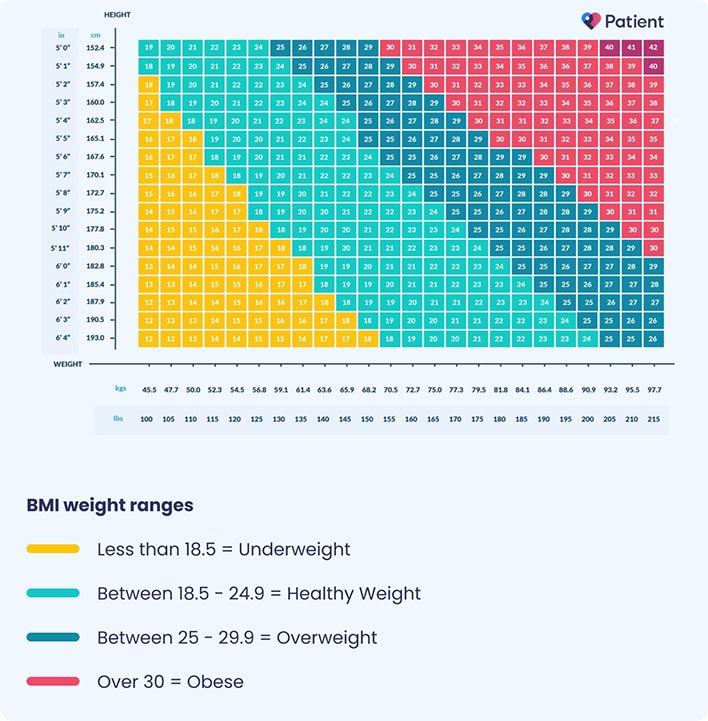
هل يمكننا الوثوق بمخططات مؤشر كتلة الجسم للأطفال؟
Obesity is an ever-increasing problem in the UK, where it is estimated that one in five children aged between 4 and 5 years are overweight or obese, rising to one in three by the time they are aged 10-11 years.
بقلم كيري تايلور سميث
الأسئلة الشائعة
ما هو بيئة النوم الموصى بها فيما يتعلق بالإضاءة؟
تشير النتائج باستمرار إلى أن بيئات النوم يجب أن تكون مظلمة قدر الإمكان للحد من خطر الإصابة بحالات صحية مثل السمنة.
ما مدى موثوقية هذه الدراسة حول التعرض للضوء وزيادة الوزن؟
في حين أن البحث يُعتبر واعدًا، كانت هناك بعض القيود. تم الإبلاغ عن مقاييس التعرض للضوء ومدة النوم من قبل المشاركين أنفسهم ولم تُقاس بشكل موضوعي. كما أن الدراسة أُجريت حصريًا على النساء.
هل يمكن لعوامل نمط الحياة الأخرى أن تفسر العلاقة بين الضوء الاصطناعي وزيادة الوزن؟
قام الباحثون بأخذ عوامل أخرى في الاعتبار مثل العمر، وجود الأطفال في المنزل، العرق، استهلاك السعرات الحرارية، والنشاط البدني. ومع ذلك، ظلت العلاقة بين الضوء الاصطناعي وزيادة الوزن قائمة حتى بعد احتساب هذه المتغيرات.
هل يزيد وجود ضوء ليلي صغير من خطر زيادة الوزن؟
لم تجد الدراسة أي ارتباط بين استخدام ضوء ليلي صغير وزيادة الوزن. لوحظت زيادة في المخاطر لدى الأشخاص الذين ينامون مع ضوء أكثر سطوعًا أو تلفاز مشغل.
عن المؤلفعرض السيرة الذاتية الكاملة
كتبه

ناتالي هيلي
صحفي مستقل
بكالوريوس (مع مرتبة الشرف) في العلوم الطبية الحيوية
هي صحفية صحية مقرها لندن وقد كتبت عن العلوم والطب لعدة سنوات. كانت رئيسة التحرير السابقة في موقع Patient.
حول المراجععرض السيرة الذاتية الكاملة
ناتالي هيلي
صحفي مستقل
بكالوريوس (مع مرتبة الشرف) في العلوم الطبية الحيوية
هي صحفية صحية مقرها لندن وقد كتبت عن العلوم والطب لعدة سنوات. كانت رئيسة التحرير السابقة في موقع Patient.
تاريخ المقال
المقال متاح أيضًا باللغة الإنجليزية, الألمانية, إسبانية, الفرنسية, إيطالي, البرتغالية, الهندية, العبرية, العربية ,، و السويدية.
11 Jun 2019 | نُشر في الأصل
كتبه:
ناتالي هيليمراجعة من قبل
ناتالي هيلي
شارك أفكارك أو تجاربك مع الآخرين في مجتمعات المرضى.
اشترك في النشرة الإخبارية للمرضى
جرعتك الأسبوعية من النصائح الصحية الواضحة والموثوقة - مكتوبة لمساعدتك على الشعور بالاطلاع والثقة والتحكم.
من خلال الاشتراك، فإنك تقبل سياسة الخصوصية. يمكنك إلغاء الاشتراك في أي وقت. نحن لا نبيع بياناتك أبدًا.