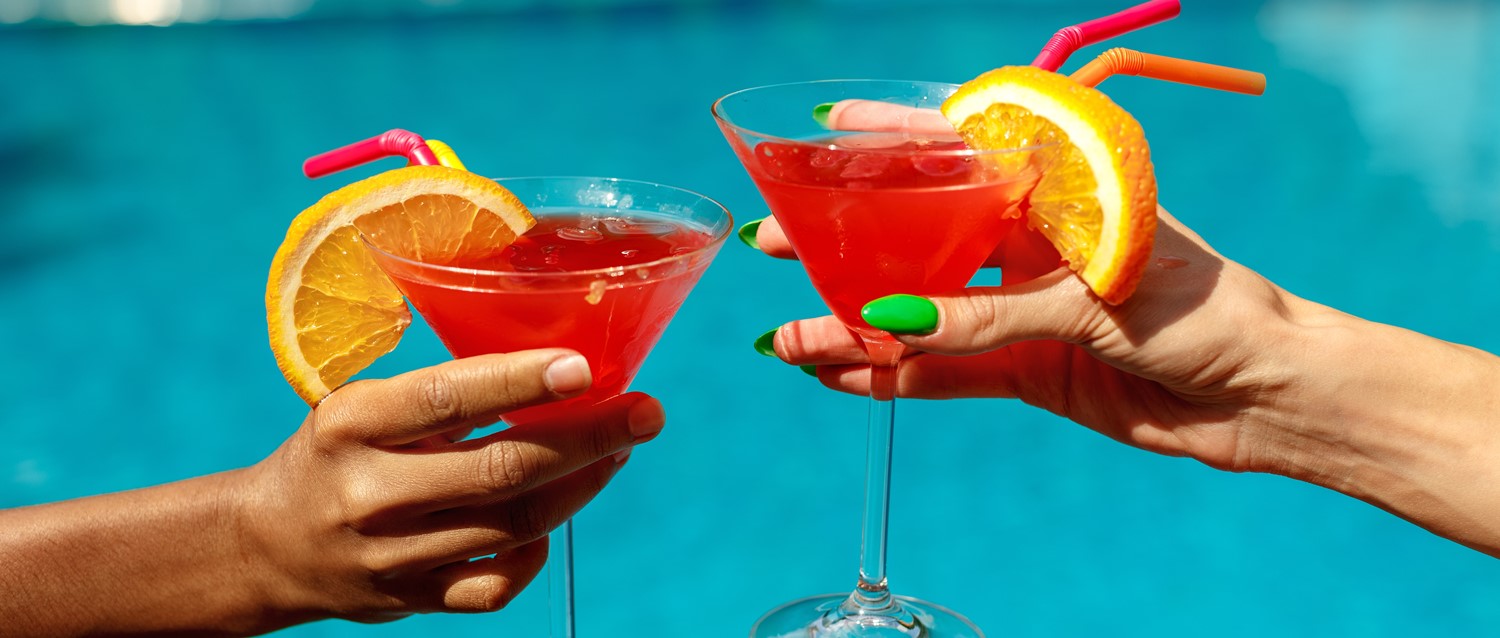
Drinking in the sun: a dangerous cocktail
Peer reviewed by Dr Krishna Vakharia, MRCGPAuthored by Emily Jane BashforthOriginally published 20 Aug 2022
Meets Patient’s editorial guidelines
- DownloadDownload
- Share
- Language
- Discussion
- Audio Version
- Add to preferred sources on Google
Picture the scene - it's a hot, sunny day and you're strolling through the park, or perhaps along a beach. Chances are, you'd see people drinking alcohol with their friends. However, did you know that drinking in the sun can come with a number of risks?
What are the potential risks of drinking in the sun?
Dehydration
Both alcohol and heat can cause dehydration, and consuming alcohol causes you to urinate more frequently. This is because alcohol is a diuretic, which means it causes the body to lose water through urine by inhibiting the production of the vasopressin hormone.
Plus, the heat from the sun can cause you to sweat more. The quantity of sweat produced can be as high as a couple of litres, depending on the heat and your activity levels. This can cause your body to lose fluids and lead to dehydration.
Dr Deborah Lee of Dr Fox Online Pharmacy explains that dehydration can have serious consequences for your health. Even if you are just 1-2% dehydrated this can make you feel sluggish and tired.
Other signs of dehydration include:
Headaches.
Muscle cramps.
Dry mouth/dry lips.
Peeling skin.
Constipation.
Feeling dizzy or faint.
Dehydration is also a major cause of hangover symptoms.
Overheating
While it might be tempting to indulge in alcoholic beverages during the hot weather, alcohol and sunshine are not a good mix. Especially if the amount you've consumed makes you tipsy, or drunk, and unaware of how long you've been in the sun.
"Sitting in the sun means you are at increased risk of overheating, which has the potential to become heat exhaustion and ultimately, heatstroke," explains Dr Lee.
Did you know that each year in England and Wales, there are on average nearly 800 excess deaths associated with heat?1
"Being too hot puts strain on your heart too, increasing the risk of strokes and heart attacks."
Skin damage
It's possible you will ignore the dangers of the sun's UV rays on your skin if you aren't thinking clearly due to alcohol consumption. But, protecting your skin from the sun is important, both by wearing at least SPF 30 and seeking shade.
Excess sunlight exposure damages skin by accelerating the changes of ageing, causing loss of elasticity, wrinkling, and sagging.
In addition, excess sunlight exposure is strongly linked to the development of both melanoma and non-melanoma skin cancers.
Precautions to take when drinking in the sun
Let's be realistic - abstaining from alcohol completely during the hot summer months is difficult. However, if you are planning on drinking in the sun, you should think sensibly about it beforehand.
Dr Lee says that mindful drinking is growing in popularity. This means deciding what you will drink and sticking to the plan when going out. This helps to prevent excess consumption of alcohol and the associated risks.
"You also need to make sure you drink plenty of water. Drink one large glass of water for each alcoholic drink and keep a refillable water bottle handy if you are out and about," she adds. You can buy bottles that are specially designed to keep your drinks cold.
Other tips for drinking safely in the sun include:
Dilute your alcohol
For example, you could add soda water to a small amount of white wine to make a white wine spritzer, or add ice cubes.
Go at a steady pace
Spread out your alcoholic drinks and drink non-alcoholic drinks in between. These might be juices or water, but you may also want to explore the wide range of non-alcoholic alternatives on the market.
Avoid mixing your drinks
Drinks such as red wine, brandy, and whisky contain more congeners (substances added to alcohol to give it a reddish colour, flavour and texture). Dr Lee says these are often the main culprits when it comes to a hangover. If you are drinking, it might be wise to stick to white or clear drinks, such as white wine, gin, or vodka.
"Sparkling wines, such as champagne and prosecco, will make you feel drunk more quickly, as the bubbles facilitate the absorption of alcohol in the stomach."
Keep eating
You should never drink alcohol on an empty stomach. Food helps to delay the absorption of alcohol into the bloodstream and protects the stomach lining. Drinking without eating first also intensifies side effects.
Seek out the shade
Most of us like to sit in the sun, especially as, historically, sunny days have tended to be few and far between in the UK. But your body will thank you if you make time for the shade too and reduce your chances of heat exhaustion. If there's an opportunity for you to take a dip in a swimming pool or have a cold bath/shower, this can help you keep cool.
Additionally, when drinking in the sun, you should continue to follow the normal sun safety steps:
Wearing cool, loose-fitting clothes made of natural, not synthetic, fibres.
Wearing a wide-brimmed hat to shield your face and shoulders from the sun.
Using plenty of sun cream with SPF 30 (50 if you are more vulnerable) and reapplying throughout the day.
What to do if you feel unwell after drinking in the sun
"If you start to feel the effects of the alcohol and the heat, go indoors. Find a cool place to lie down and elevate your feet slightly. Stop drinking alcohol and drink a pint of water. If you don't feel better within 20 minutes or so, ask for help. Call NHS 111 for advice if you or someone else suspects signs of heatstroke," says Dr Lee.
One easy way to cool yourself down is by placing a bowl of cold water in front of a fan and angling the cold breeze towards you.
Warning signs of heat exhaustion
Symptoms of heat exhaustion can creep up on you or come on quite suddenly. So, it's essential you are able to recognise them:
Headaches.
Dizziness and feeling light-headed (low blood pressure).
Muscle cramps.
Nausea or vomiting.
Loss of appetite.
Feeling very thirsty.
Dry mouth, lips and tongue.
Excessive sweating (or not sweating enough, which occurs in people with heat intolerance).
Clammy skin.
Feeling lethargic.
Rapid breathing.
Racing pulse.
Raised body temperature (this might be 38°C or above).
Further reading
Patient picks for Alcohol advice
Healthy living
One in five hospital patients have a problem with alcohol
One in 10 people admitted to an NHS hospital are addicted to alcohol, new research finds.
by Ashwin Bhandari
Healthy living
How to create healthy drinking habits that last beyond Dry January
After a Christmas of excess, many of us vow to become healthier in the New Year. Often, this involves giving up alcohol in January to try to reset our relationship with drinking. However, it can be tempting to fall back into our previous habits as soon as February rolls around. So how can we make long-lasting changes to the way we drink?
by Lynn Stephen
About the authorView full bio

Emily Jane Bashforth
Feature Writer
NCTJ
Emily is a Feature Writer with Patient, writing articles on a variety of topics relating to health and well-being.
About the reviewerView full bio

Dr Krishna Vakharia, MRCGP
Chief Medical Officer for Health, Optum UK
MBChB, MRCGP(2013), BMedSci (hons), DFSRH, DRCOG, PGDipDerm (Distn)
Dr Krishna Vakharia is an NHS GP. She is also a regular examiner for the postgraduate Diploma in Practical Dermatology at Cardiff University as well as being the Chief Medical Officer for health at Optum UK.
Article history
The information on this page is peer reviewed by qualified clinicians.
Article also available in English, German, Spanish, French, Italian, Portuguese, Hindi, Hebrew, Arabic, and Swedish.
20 Aug 2022 | Originally published
Authored by:
Emily Jane BashforthPeer reviewed by
Dr Krishna Vakharia, MRCGP
Join the conversation
Share your thoughts or experiences with others in our patient communities.

Ask, share, connect.
Browse discussions, ask questions, and share experiences across hundreds of health topics.

Feeling unwell?
Assess your symptoms online for free
Sign up to the Patient newsletter
Your weekly dose of clear, trustworthy health advice - written to help you feel informed, confident and in control.
By subscribing you accept our Privacy Policy. You can unsubscribe at any time. We never sell your data.
More in healthy living
- 7 morning stretches to get you ready for the day
- Are dance workouts good for keeping fit?
- Breaking the stigma of mental health
- Can antidepressants cause vivid dreams?
- Debunking lesbian stereotypes and myths
- Gaynor Faye on Hot Flash, menopause - and why midlife women deserve to be seen
- How getting older affects your sleep
- How to cope with the stress of being a new parent
- How to deal with stress through exercise
- How to ease your menopause sleep problems
- How to get into swimming safely for beginners
- How to protect your mental health in the workplace as a Black woman
- Is sleep apnoea dangerous? When snoring issues turn serious
- Japanese walking: simple steps to a healthier you?
- LGBTQ+ travel: how to stay safe
- Should you keep a dream journal?
- Tips for a healthier online life
- Transform your sleep: a guide to overcoming stress dreams
- Video: Glute strengthening exercises