ما تأثير ركوب الدراجة الثابتة على جسمك؟
مراجعة من قبل الدكتورة سارة جارفيسآخر تحديث بواسطة أمبرلي ديفيسآخر تحديث 14 Dec 2021
يتوافق مع الإرشادات التحريرية
- تنزيلتنزيل
- مشاركة
- Language
- نقاش
- نسخة صوتية
- أضف إلى المصادر المفضلة على جوجل
Spinning is currently one of the most popular fitness workouts in the UK. The muscles you use on a spinning bike are some of the largest in your body, making for high-intensity exercise that's also low impact.
What is spinning?
These days, walking into a gym expecting to see at least a few spinning bikes is a safe bet. These stationary bikes may look like the indoor equivalent of cycling, but they can offer a far more intense workout in many ways. الأبحاث suggests that spinning may be even more beneficial than ordinary bicycling for physical fitness, blood constituents, and body composition.
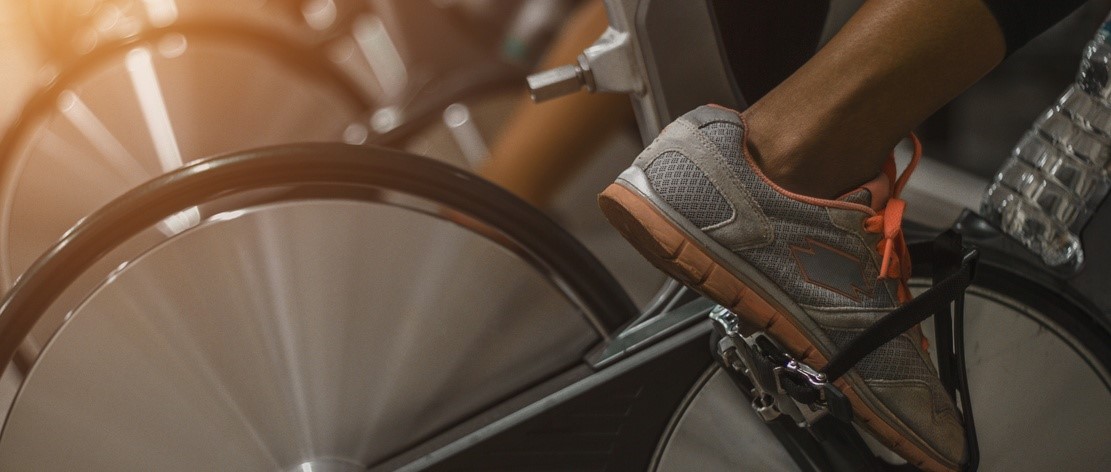
While you can choose to cycle on your own, most gyms also offer spinning classes. Typically, these classes last up to an hour, and an instructor sets the pace. You can adjust the tension to make pedalling use more energy, which imitates the uphill or downhill motions of outdoor cycling.
Many people enjoy spinning classes for the motivation provided by the instructor. Classes are normally set to music, and it's also not uncommon for people to go primarily for the fun atmosphere.
Whatever your motivation, spinning can be an effective way to improve your fitness and build your leg muscles. It can also help you to manage your weight if this is your goal.
What happens to your body during spinning?
"Spinning is an effective, low-impact way of improving fitness and helping to manage weight," says personal trainer لورا ويليامز.
"Your lower body muscles (quadriceps, hamstrings and glutes) all work hard during a spinning session, while standing during a session means your upper body and core all play a role too."
Your lower body muscles
Quadriceps (commonly called 'quads') - the muscles on the fronts of your thighs. Pushing the bike pedals down engages these muscles.
Hamstrings - the muscles on the backs of your thighs. Pushing the bike pedals up engages these muscles.
'Glutes' - the three muscles in your hips and butt (gluteus maximus, gluteus medius and gluteus minimus). You engage these muscles while pedalling and particularly when you accelerate hard.
These leg muscles are some of the largest in your body, which means you're exerting a lot of energy. This kind of high-intensity workout burns a lot of calories and builds up these muscles, which can result in legs that have less fat and are more toned.
Other muscles you engage
Calves - the muscles at the back of your lower legs. These are engaged for the complete rotation of the pedals.
Back and upper body muscles - these muscles support your torso during spinning.
Core - includes both your upper and lower abdominal muscles. Correct posture that holds tension in your core (pulling your belly button in and a straight back) and setting high resistance on the spin bike can engage your core.
Heart - this muscular organ also gets a workout during spinning. The heart must work harder to pump enough blood through the body to supply the tissues with nutrients and oxygen.
Exercise bikes also have a weighted disc called a flywheel attached to each pedal. As you pedal, this speeds up and stores the rotational energy that you generate, which gives you momentum. Heavier flywheels require an exertion of energy to get them moving quickly, increasing the workout intensity.
Williams points out the added benefits of spinning with weights: "Even small weights can add to intensity, helping to strengthen upper and lower body muscles even more. They will also help elevate the heart rate further, which will continue to increase cardiovascular fitness over time."
What are the main benefits of spinning?
Spinning builds muscle
The most obvious benefit of spinning is toned leg muscles. This happens as our body composition improves and the ratio of fat decreases and muscle mass increases. As we exercise, our engaged muscles get micro-tears. A natural process called muscle protein synthesis then occurs, repairing and rebuilding the muscles to better adapt them which increases muscle mass.
Spinning may also help to tone your back and upper body because the position you need to maintain on a spin bike creates some exertion on the muscles in these regions.
Spinning decreases fat mass
Engaging these muscles means we use a lot of energy during spinning. Many spin classes incorporate high-intensity interval training (HIIT) which is believed to increase how many calories you burn. This involves alternating between heavy and less heavy resistance pedalling, so your heart rate changes throughout the class.
فقدان الوزن isn't synonymous with being healthy. However, if you have a lot of excess body fat you might be at greater risk of developing health complications such as داء السكري من النوع 2.
Spinning improves heart health
Spinning can be a great cardiovascular workout. That is to say, our hearts have to work harder during a spinning session which can improve our overall heart health. With regular spinning, our muscles become more efficient at drawing oxygen from our blood, which decreases the physical demand on the heart over time.
الأبحاث has found that people who cycle are less likely to have heart problems than those who don't, including النوبات القلبية و أمراض القلب.
This is because regular spinning can lower ضغط الدم, lower stress hormones and raise our 'good' الكوليسترول. This decreases the risk of inflammation in the body and reduces our chance of developing type 2 diabetes.
One دراسة has also found that one hour of spinning triggers the release of blood chemicals associated with heart stress or changes. The research suggests that these could lead to blood vessel renewal and repair.
اختيارات المرضى لـ التمارين والنشاط البدني
الحياة الصحية
كيفية ممارسة الرياضة في موجة حر
عندما يكون الجو حارًا ورطبًا في الخارج، قد يبدو الجري الصباحي المعتاد وكأنه تعذيب - وقد يبدو تناول الآيس كريم في الظل أفضل من الذهاب إلى الصالة الرياضية. فكيف يمكنك الحفاظ على نظام التمرين الخاص بك عندما ترتفع درجات الحرارة في الخارج؟
بقلم لين ستيفن
الحياة الصحية
6 فوائد صحية للسباحة
حوالي 14 مليون شخص في إنجلترا يذهبون للسباحة كل عام. تظل السباحة في الأماكن المغلقة نشاطًا شائعًا، بينما تزداد شعبية السباحة في المياه المفتوحة بشكل مطرد. العديد من الأطفال عادةً ما يحضرون دروس السباحة مع مدارسهم، وهذا لا يشمل البريطانيين الذين يسبحون في الخارج أثناء العطلات. بينما يمكن أن تكون السباحة ممتعة، هل تعلم أنها في الواقع تحسن صحتك في نفس الوقت؟
بقلم لين ستيفن
عن المؤلفعرض السيرة الذاتية الكاملة

Amberley Davis
كاتب أول
بكالوريوس (مع مرتبة الشرف)، التنمية المهنية المستمرة
أمبرلي كاتبة كبيرة في موقع Patient وقد كتبت بشكل مكثف حول مجموعة من مواضيع الصحة والرفاهية.
حول المراجععرض السيرة الذاتية الكاملة

الدكتورة سارة جارفيس
استشاري سريري
MA (Cantab), BM, BCh (Oxon), DRCOG, FRCGP, MBE
بعد التدريب في الطب في كامبريدج وأكسفورد، أصبحت الدكتورة سارة جارفيس حاصلة على وسام الإمبراطورية البريطانية طبيبة عامة.
تاريخ المقال
تمت مراجعة المعلومات الموجودة في هذه الصفحة من قبل أطباء مؤهلين.
المقال متاح أيضًا باللغة الإنجليزية, الألمانية, إسبانية, الفرنسية, إيطالي, البرتغالية, الهندية, العبرية, العربية ,، و السويدية.
14 Dec 2021 | أحدث إصدار
14 Dec 2021 | نُشر في الأصل

اسأل، شارك، تواصل.
تصفح المناقشات، اطرح الأسئلة، وشارك التجارب عبر مئات المواضيع الصحية.

هل تشعر بتوعك؟
قم بتقييم أعراضك عبر الإنترنت مجانًا
اشترك في النشرة الإخبارية للمرضى
جرعتك الأسبوعية من النصائح الصحية الواضحة والموثوقة - مكتوبة لمساعدتك على الشعور بالاطلاع والثقة والتحكم.
من خلال الاشتراك، فإنك تقبل سياسة الخصوصية. يمكنك إلغاء الاشتراك في أي وقت. نحن لا نبيع بياناتك أبدًا.
المزيد في الحياة الصحية
- أفضل 5 تطبيقات لشهر يناير الجاف لعام 2024
- كيف يمكنك البدء في تدريب القوة في المنزل؟
- كيف تؤثر دورتك الشهرية على نومك؟
- كيفية التعامل مع ضغوط كونك والدًا جديدًا
- كيفية إدارة صحتك النفسية إذا تم تسريحك من العمل
- كيفية التعرف على علامات التنمر الإلكتروني
- كيفية معرفة ما إذا كان قد تم تخدير المشروب
- هل الموسيقى الخاصة بعيد الميلاد جيدة أم سيئة لصحتك النفسية؟
- هل البكاء مفيد لك؟
- هل أصبح الامتناع عن الكحول موضة؟
- عام جديد، أنا جديدة: لماذا قد يكون إعادة اختراع نفسك في عام 2025 ضارًا بصحتك النفسية
- تعزيز الألفة: 6 نصائح للعلاقات طويلة الأمد
- ما هي فوائد الامتناع عن الكحول؟
- ما هو التمرين الجسدي؟ استكشاف العلاقة بين العقل والجسم
- ماذا تفعل إذا شعرت بالوحدة
- ما هي الرياضات الأسوأ لصحتك؟
- لماذا يؤثر شرب الكحول على نومك؟
- لماذا يمكن أن يؤدي قضاء الوقت في الهواء الطلق إلى تحسين صحتك
- لماذا يمكن أن يعزز المشي مع كلبك صحتك العقلية
- هل سيؤدي توفير السجائر الإلكترونية بوصفة طبية إلى تشجيع المراهقين على التدخين؟