
Sun protection mistakes you're probably making
Peer reviewed by Dr Sarah JarvisAuthored by Gillian HarveyOriginally published 23 Jun 2020
Meets Patient’s editorial guidelines
- DownloadDownload
- Share
- Language
- Discussion
- Audio Version
- Add to preferred sources on Google
When it comes to summer skincare, most of us feel pretty clued-up. But according to Cancer Research UK, rates of skin cancer are on the rise - and 9 out of 10 cases could be prevented by staying safe in the sun. We look at sun protection mistakes you might be making.
Sunscreen alone isn't enough
With a variety of products available all promising to keep us safer in the sunshine, it's no surprise that many of us believe sunscreen offers the best protection during the hot weather. However, we need to combine the use of this product with other forms of sun protection.
"One of the biggest mistakes people make is to rely on sunscreen alone as their sole protection," agrees Emma Shields, senior health information officer at Cancer Research UK. "However, it's best to use sunscreen in combination with time in the shade when the sun is strong, wearing a hat, covering up and wearing sunglasses."
There's no such thing as a safe tan
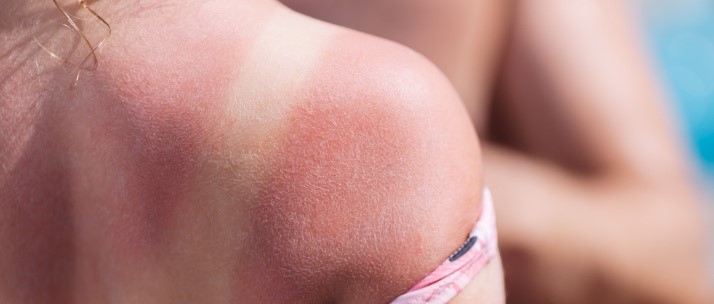
Many of us associate a golden glow with good health, but when it comes to sun-tanning, appearances can be deceptive. "There's no such thing as a safe tan!" agrees Shields. "In fact, any change in skin colour is a sign of damage."
"Often, people associate sun-kissed skin with good health," adds consultant dermatologist Dr Daniel Glass of The Dermatology Clinic in London. "But in fact, UV exposure will account for over 75% of skin ageing. In addition, the extra sun exposure may increase the risk of skin cancer later in life."
Aftersun doesn't undo the damage
So, we get a little burnt, but if we slap on some aftersun, that will repair the skin, right? Well, no. According to Shields, whilst aftersun products "might help to soothe the skin, they don't undo the damage."
However, Shields is quick to reassure that skin damage caused by mild sunburn can usually be dealt with by the body's own healing processes.
"Your body does have its own repair mechanisms that can fix sun damage," she explains. "So, the message is, if you get burnt be more careful, as the risk of skin cancer will increase if you frequently suffer sunburn."
Total block doesn't live up to its name
When we expose vulnerable areas such as the tops of our ears or our nose, it may be tempting to opt for a total block product. However, whilst such a product may look highly protective and usually offers an impressive level of protection, the name is a little misleading.
"There is no such thing as a total block, as no cream can prevent all UV rays," explains Dr Stephanie Munn, dermatology clinical lead at Bupa UK.
However, sunblock does provide a good level of protection, when used effectively.
"Sunblock is a physical sunscreen such as titanium oxide or zinc oxide which blocks out the UVB rays by acting as a physical barrier, as opposed to sunscreen which absorbs UVA. Sunblocks are less cosmetically acceptable as they create a chalky layer on the skin but are better tolerated on sensitive skin so are preferable to children," adds Munn.
Old sunscreen may not protect your skin
With the price of sunscreen often on the high side, it can be tempting to dig out last year's bottle and use it up before restocking. But using an out-of-date or badly stored product could mean that your skin isn't fully protected.
"You should discard any sunscreen after it has been open for a year," agrees Munn. "Some sunscreens include an expiration date too - so make sure you discard any that go past this."
In addition, that bottle of sunscreen you’ve left in the garden, might not offer the protection it once did.
"Leaving your sunscreen in the heat can cause it to break down faster, making it less reliable," explains Munn. "You’re putting your skin at risk, as you won't know what the SPF is. Once it's overheated, you won't be as protected so it's important to keep your sunscreen in the shade."
A tan doesn’t prevent sun damage
It can be tempting to think that darker skin, or skin that is already tanned, doesn’t need protection. However, this is not the case.
"Anyone can get sunburn, including dark-skinned people," explains Shields. "Although generally the fairer your skin is, the more you are at risk. The same sun prevention risk applies to everyone, but some people need to be more careful."
"It's also crucial to remember that self-tanning products don't provide any sun protection, so people who use self-tan need to ensure they use a cream as well to avoid burning."
Sunglasses are a must
Sunglasses can be great for blocking the sun's rays and helping us to see properly on bright days, but wearing them is also an important part of staying safe in the sun.
"There is good evidence that ultraviolet light exposure is associated with the formation of skin cancers on the eyelids," explains Glass. "UV light also has a role in the development of cataracts. And possibly, together with visible light, UV light may affect the risk of age-related macular degeneration."
To protect both our eyes and the delicate skin which surrounds them, Shields recommends "wraparound style sunglasses, which provide better protection."
It's also important to check the level of protection offered by our sunglasses when we purchase them.
Don’t forget your lips
Anyone who's accidentally smudged a bit of sunscreen into their mouth will know that it's not the tastiest of products. So, it can be tempting to avoid the lip area altogether when applying protection. But lips are also vulnerable to sun damage.
"Sun damage can affect any part of the body, including your lips," agrees Glass. "Although less common, it's not unusual to see sun damage on the lips, especially in people with fair skin. When you apply sunscreen on your body you should apply it to the lips as well, and you can also buy lip balms that contain an SPF."
A little sun can do us good
It's lovely to feel the sun's rays on your skin, so it's good to know that a little sun exposure can be beneficial to health. Exposure to sunlight can help our bodies to produce vitamin D and avoid deficiency.
"We all need the same amount of vitamin D on a daily basis to maintain healthy bones, but the rate our bodies produce the vitamin differs for everyone," explains Munn. "If you've got paler skin, you should aim for a short period in the sun everyday for about 10-15 minutes. Those with darker skin will need a little longer. Try to have a third of your skin exposed, focusing on less sensitive areas like your forearms, hands and legs. You will still absorb the necessary rays while wearing sunscreen, but you'll need to stay out for longer."
"However, it's important not to exceed this recommended amount of time. Any longer and you probably won't get any extra vitamin D, but you will put yourself at risk of burning and cause long-term damage. Make sure you cover up, wear sunglasses, use sunscreen and check the UK UV index any time you're out in the sun after this short period of time," she adds.
Whether you're off to the beach or simply spending an afternoon in the garden, our expert advice will ensure you stay protected and enjoy a healthy summer.
Patient picks for Sun and sunburn

Skin, nail and hair health
Why are men less likely to wear sun cream?
By now, health promotion campaigns have made most people aware of the importance of protecting their skin from the sun. Yet a significant portion of the population still doesn't use sunscreen on sunny days, and the majority of culprits are men.
by Milly Evans
Skin, nail and hair health
How to treat sunburn blisters
Hot weather seems like the best time to soak up the sun, work on a tan or play outdoors. But warmth and heat can be dangerous. Sunburn can sometimes blister, causing pain and infection. What causes sunburn blisters? How do you treat them and should you really pop them?
by Victoria Raw
About the authorView full bio

Gillian Harvey
Freelance Writer
BA (Hons) English
Gillian is a freelance writer and columnist for a variety of national newspapers and magazines.
About the reviewerView full bio

Dr Sarah Jarvis
Clinical Consultant
MA (Cantab), BM, BCh (Oxon), DRCOG, FRCGP, MBE
After training in medicine at Cambridge and Oxford, Dr Sarah Jarvis MBE became a GP.
Article history
Article also available in English, German, Spanish, French, Italian, Portuguese, Hindi, Hebrew, Arabic, and Swedish.
23 Jun 2020 | Originally published
Authored by:
Gillian HarveyPeer reviewed by
Dr Sarah Jarvis
Join the conversation
Share your thoughts or experiences with others in our patient communities.

Ask, share, connect.
Browse discussions, ask questions, and share experiences across hundreds of health topics.

Feeling unwell?
Assess your symptoms online for free
Sign up to the Patient newsletter
Your weekly dose of clear, trustworthy health advice - written to help you feel informed, confident and in control.
By subscribing you accept our Privacy Policy. You can unsubscribe at any time. We never sell your data.
More in skin, nail and hair health
- A guide to UV protection sunglasses
- AI skin analysis: what it is and why experts warn against it
- Could you be allergic to the sun?
- Do you need to try an avocado face mask?
- Drinking in the sun: a dangerous cocktail
- Eczema, psoriasis, and ringworm: what's the difference?
- Everything you need to know about baby eczema
- How to look after your hair during chemotherapy
- How to soothe a nettle sting
- How to spot bedbugs and get rid of them
- How to treat a horsefly bite
- How to treat sunburn at home
- The 'second puberty': why you might be breaking out in your thirties
- The simplest men's skincare routine
- Tick bites: how to recognise and treat
- What are the common causes of summer rashes?
- What causes our skin to break out in hives?
- What does aftersun do and do you really need it?
- What is skinimalism, and is it good for your skin?
- What to do when your child has a rash