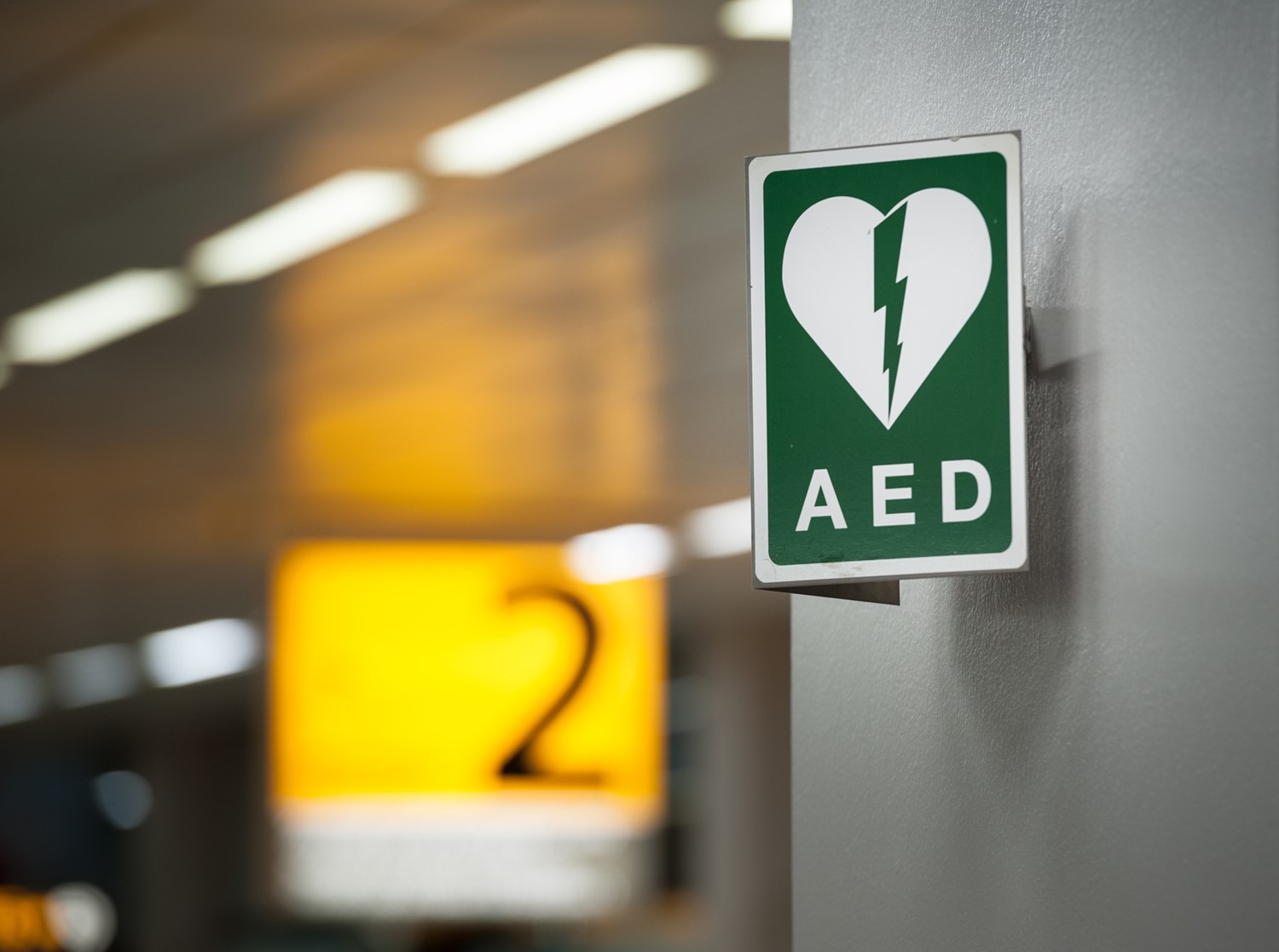
النوبة القلبية
احتشاء عضلة القلب
مراجعة من قبل الدكتورة روزالين أدلمان، MRCGPآخر تحديث بواسطة الدكتورة راشيل هدسون، MRCGPآخر تحديث 30 ديسمبر 2024
يتوافق مع الإرشادات التحريرية
- تنزيلتنزيل
- مشاركة
- Language
- نقاش
- Ask Patient
- نسخة صوتية
- أضف إلى المصادر المفضلة على جوجل
النوبة القلبية (احتشاء عضلة القلب) تحدث عادة بسبب جلطة دموية، والتي توقف تدفق الدم إلى جزء من عضلة قلبك. يجب عليك الاتصال بالإسعاف فورًا إذا شعرت بألم شديد في الصدر.
نظرة سريعة
يحدث النوبة القلبية عندما يتم انسداد الشريان التاجي، مما يعرض عضلة القلب لخطر التلف.
تشمل الأعراض ألمًا شديدًا في الصدر قد يمتد إلى الفك أو الرقبة أو الذراعين.
قد تشعر أيضًا بشحوب في الجلد، وسرعة في النبض، والتعرق.
If you suspect a heart attack, immediately call 999 for an ambulance.
مضغ 300 ملغ من الأسبرين والجلوس في وضع مريح يمكن أن يساعد أثناء انتظار المساعدة.
تهدف العلاجات إلى استعادة تدفق الدم ومنع المزيد من الضرر للقلب.
يمكن أن تساعد تغييرات نمط الحياة والأدوية في تقليل خطر الإصابة بنوبة قلبية أخرى.
If someone has a heart attack, treatment with a clot-busting medicine or an emergency procedure to restore the blood flow through the blocked blood vessel is usually done as soon as possible. This is to prevent or minimise any damage to your heart muscle. Other treatments help to ease the pain and to prevent complications. Reducing various risk factors can help to prevent a heart attack.
What is a 'heart attack'?
If you have a heart attack, a coronary artery or one of its smaller branches is suddenly blocked. The part of the heart muscle supplied by this artery loses its blood (and oxygen) supply if the vessel is blocked. This part of the heart muscle is at risk of dying unless the blockage is quickly removed. When a part of the heart muscle is damaged it is said to be infarcted. The term myocardial infarction (MI) means damaged heart muscle.
If a main coronary artery is blocked, a large part of the heart muscle is affected. If a smaller branch artery is blocked, a smaller amount of heart muscle is affected. After a heart attack, if part of the heart muscle has died, it is replaced by scar tissue over the following few weeks. Read تشريح القلب والأوعية الدموية لمزيد من المعلومات حول القلب.
There is actually a range of conditions that can be caused by a sudden reduction in blood flow in a coronary artery. This range of conditions has an overall term called acute coronary syndrome (ACS).
Heart attack symptoms
If you think someone is having a heart attack, look for the four Ps:
Pain - a continuous pain in the chest, which could spread to the jaw, neck or arms.
Pale skin.
Rapid and weak pulse.
Perspiration/sweating.
The most common symptom is severe chest pain, which often feels like a heavy pressure feeling on your chest. The pain may also travel up into your jaw and down your left arm or down both arms. The pain may be similar to angina but it is usually more severe and lasts longer. Angina usually goes off after a few minutes. Heart attack pain usually lasts more than 15 minutes - sometimes several hours. Heart attack pain also doesn't usually improve if you rest or take your usual angina medication.
However, some people have only a mild discomfort in their chest. The pain can sometimes feel like عسر الهضم أو حرقة المعدة.
You may also sweat, feel sick and feel faint. You may also feel short of breath.
Occasionally, a heart attack happens without causing any pain. This is usually diagnosed when you have a heart tracing (electrocardiogram, or ECG) at a later stage.
Some people collapse and die suddenly if they have a large portion of heart muscle damaged. This is not very common.
Women are less likely than men to call for help quickly when experiencing signs of a heart attack. It is very important to get medical help very urgently, to reduce the chances of permanent damage to the heart muscle.
What should I do if I think I am having a heart attack?
Dial 999/112/911 for an ambulance immediately. Then, if you have some, take 300 mg of aspirin (see below for the reason for this). You will normally be admitted straight to hospital.
What causes a heart attack?
Blood clot (thrombosis) is the cause in most cases. Blood clots do not usually form in normal arteries. However, a clot may form if there is some atheroma within the lining of the artery.
Certain risk factors increase the risk of more atheroma forming. This can lead to ACS. انظر النشرة المنفصلة المسماة أمراض القلب والأوعية الدموية (التصلب العصيدي).
Briefly, risk factors that can be modified and may help to prevent a heart attack include:
التدخين. If you smoke, you should make every effort to stop.
ارتفاع ضغط الدم. If your blood pressure is high it can be treated.
زيادة الوزن. Losing some weight is advised. Losing weight will reduce the amount of workload on your heart and also help to lower your blood pressure.
الكوليسترول. This should usually be treated if it is high. A statin (cholesterol lowering medication) is usually recommended if your risk of a heart attack is found to be raised, even if your cholesterol does not appear to be very high. This is calculated using a calculation called QRISK, which takes into account the various factors in this list.
الخمول. You should aim to do some moderate physical activity on most days of the week for at least 30 minutes - for example, brisk walking, swimming, cycling, dancing, gardening, etc.
الحمية. You should aim to eat a healthy diet.
السكري. People with السكري have a higher risk of having ACS. This risk can be reduced by ensuring your blood pressure, cholesterol levels and blood sugar (glucose) levels are well controlled.
التاريخ العائلي. Your risk is increased if there is a family history of heart disease or a السكتة الدماغية that occurred in your father or brother aged below 55, or in your mother or sister aged below 65.
Ethnic group. Certain ethnic groups - for example, people of South Asian origin - have a higher risk of developing cardiovascular disease.
How is a heart attack diagnosed and assessed?
Tests are usually done to confirm a heart attack. These are:
تخطيط القلب (تخطيط كهربية القلب، أو ECG). There are typical changes to the normal pattern of the ECG in a heart attack. However, it is possible to have a heart attack without having these ECG changes.
اختبارات الدم. A blood test that measures a chemical called troponin is the usual test that confirms a heart attack.
أن angiography of the coronary arteries may also be performed to find the blockage in the artery.
Other tests may be done in some cases. This may be to clarify the diagnosis (if the diagnosis is not certain) or to diagnose complications such as heart failure if this is suspected. For example, an ultrasound scan of the heart (echocardiogram, or 'echo') or computerised tomography (CT) scan) to rule out lung conditions.
You may also be advised to have tests to assess the severity of the fatty patches or plaques (atheroma) in the coronary arteries - for example:
Treatment for a heart attack
The following is a typical situation and mentions the common treatments that are usually offered. However, each case is different and treatments may vary depending on your situation.
ما تحتاج إلى القيام به
Call 999 (or 112 or 911) for medical help and say you think someone is having a heart attack.
Help move them into the most comfortable position. The best position is on the floor leaning against a wall with knees bent and head and shoulders supported.
Give them a 300 mg aspirin (if available and they're not allergic) and tell them to chew it slowly.
Keep checking their breathing, pulse and level of response.
If they stop responding at any point, you may need to do cardiopulmonary resuscitation (CPR). See the separate leaflet called Dealing with an adult who is unresponsive.
الأسبرين والأدوية المضادة للصفائح الدموية الأخرى
As soon as possible after a heart attack is suspected you will be given a dose of aspirin. Other antiplatelet medicines may be given. See the separate leaflet called Aspirin and other antiplatelet medicines.
Injections of heparin or a similar medicine
These are usually given for a few days to help prevent further blood clots from forming.
تخفيف الألم
ت strong painkiller مثل مورفين is given by injection into a vein to ease the pain.
Treatment to restore blood flow in the blocked coronary artery
There are two treatments that can restore blood flow back through the blocked artery:
رأب الأوعية التاجية. This is removing the blockage in the artery and putting in a stent to keep it open. Ideally this is the best treatment if it is available and can be done within a few hours of symptoms starting.
An injection of a clot-busting medicine is an alternative to emergency angioplasty. It can be given easily and quickly in most situations. Some ambulance crews are trained to give this.
Both the above treatments usually work well to restore blood flow and greatly improve the outlook. The most crucial factor is the speed at which one or other treatment is given after symptoms have started.
A beta-blocker medicine
أدوية حاصرات بيتا have some protective effect on the heart muscle and they also help to prevent abnormal heart rhythms from developing. Beta-blocker medicines will also help to prevent another heart attack.
الأنسولين
Some people have a raised blood sugar level when they have a heart attack, even if they do not have diabetes. If this occurs then your blood sugar (glucose) levels may need to be controlled with insulin. If you have diabetes then it is also likely that you will need to be treated with الأنسولين to control your blood glucose levels when you are in hospital.
الأكسجين
You may be given oxygen which works to reduce the risk of damage to your heart muscle.
العلاج بعد الإصابة بنوبة قلبية
Treatment and advice after a heart attack aims:
To reduce the chance of a further heart attack.
To help to prevent heart disease from getting worse.
If you are a smoker, it's essential to التوقف عن التدخين. Regular exercise and getting back to normal work and life are usually advised. Much can be done to reduce the risk of a further heart attack. See the separate leaflet called Heart Attack Recovery
Normally you will be advised to take regular medication for the rest of your life. The medicines are usually taken each day for life. The exact medicines prescribed for you can depend on factors such as the type of heart attack you had, as well as any other illnesses you may also have. The medicines used include:
Antiplatelet medicines to help prevent blood clots.
حاصرات بيتا to help protect the heart.
مثبطات الإنزيم المحول للأنجيوتنسين (ACE) to help protect the heart.
الستاتينات to lower the cholesterol level.
How serious is a heart attack?
This often depends on the amount of heart muscle that is damaged. In many cases, only a small part of the heart muscle is damaged and then heals as a small patch of scar tissue. The heart can usually function normally with a small patch of scar tissue. A larger heart attack is more likely to be life-threatening or cause complications.
Even before treatments became available to restore blood flow, many people made a full recovery. With the help of modern treatment, particularly if you are given treatment within a few hours to restore blood flow, a higher percentage of people now make a full recovery.
Some possible complications include the following:
A further heart attack which may occur sometime in the future.
The most crucial time is during the first day or so. If no complications arise and you are well after a couple of weeks then you have a good chance of making a full recovery. A main objective then is to get back into normal life and to minimise the risk of a further heart attack.
اختيارات المرضى لـ النوبة القلبية
صحة القلب والأوعية الدموية
التعافي من النوبة القلبية
Following a heart attack, there are things you can do to help yourself to recover and to reduce the risk of further problems, such as another heart attack. Everyone is different and individual circumstances will vary.
بقلم الدكتورة هايلي ويلاسي، FRCGP
صحة القلب والأوعية الدموية
متلازمة الشريان التاجي الحادة
يشمل مصطلح "متلازمة الشريان التاجي الحادة" مجموعة من الاضطرابات، بما في ذلك النوبة القلبية (احتشاء عضلة القلب) والذبحة الصدرية غير المستقرة، التي تحدث بسبب انخفاض مفاجئ في تدفق الدم إلى جزء من عضلة القلب. وعادة ما يكون السبب في ذلك جلطة دموية.
بقلم الدكتورة روزالين أدلمان، MRCGP
الأسئلة الشائعة
هل يمكن أن تحدث النوبات القلبية دون أن تسبب أي ألم؟
نعم، في بعض الأحيان يمكن أن يحدث نوبة قلبية دون أن يشعر الشخص بأي ألم. يتم اكتشاف هذا النوع من النوبات القلبية عادةً لاحقًا من خلال تخطيط القلب (تخطيط كهربية القلب أو ECG).
هل هناك أوقات معينة يكون فيها حدوث النوبات القلبية أكثر احتمالاً؟
المقالة لا تحدد أوقات معينة من اليوم أو فصول السنة التي يكون فيها حدوث النوبات القلبية أكثر احتمالاً.
ما هو ضغط الدم النموذجي أثناء النوبة القلبية؟
المقالة لا تحدد ما يمكن أن يكون عليه ضغط دم الشخص عادةً أثناء النوبة القلبية.
ما هو معدل ضربات القلب النموذجي أثناء النوبة القلبية؟
تذكر المقالة أن النبض السريع والضعيف يمكن أن يكون عرضًا للنوبة القلبية، لكنها لا تحدد معدل ضربات القلب النموذجي.
ما مدى سرعة بدء العلاج بعد ظهور الأعراض ليكون الأكثر فعالية في حالة النوبة القلبية؟
العامل الأكثر أهمية للعلاج الفعال هو مدى سرعة إعطاء إما قسطرة الشريان التاجي أو دواء مذيب للجلطة بعد بدء الأعراض. من الناحية المثالية، يجب إجراء قسطرة الشريان التاجي في غضون ساعات قليلة من بدء الأعراض، حيث إن ذلك يحسن بشكل كبير من التوقعات.
هل يمكن أن يؤدي النوبة القلبية إلى مشاكل صحية أخرى؟
نعم، بعض المضاعفات المحتملة للنوبة القلبية تشمل فشل القلب، اضطرابات نظم القلب، وخطر التعرض لنوبة قلبية أخرى في المستقبل.
How long will I need to take medication after a heart attack?
عادةً، سيتم نصحك بتناول الأدوية بانتظام لبقية حياتك بعد الإصابة بنوبة قلبية. تُؤخذ هذه الأدوية عادةً كل يوم مدى الحياة لتقليل فرصة حدوث نوبة قلبية أخرى ومنع تفاقم أمراض القلب.
قراءة إضافية ومراجع
- تقييم القدرة على القيادة: دليل للمهنيين الطبيين; وكالة ترخيص السائقين والمركبات
- متلازمة الشريان التاجي الحادة; الشبكة الاسكتلندية للإرشادات المشتركة بين الكليات - SIGN (2016)
- Mehta LS, Beckie TM, DeVon HA, et al; Acute Myocardial Infarction in Women: A Scientific Statement From the American Heart Association. Circulation. 2016 Mar 1;133(9):916-47. doi: 10.1161/CIR.0000000000000351. Epub 2016 Jan 25.
- Ibanez B, James S, Agewall S, et al; إرشادات الجمعية الأوروبية لأمراض القلب لعام 2017 لإدارة احتشاء عضلة القلب الحاد في المرضى الذين يظهرون ارتفاع في مقطع ST: فريق العمل لإدارة احتشاء عضلة القلب الحاد في المرضى الذين يظهرون ارتفاع في مقطع ST للجمعية الأوروبية لأمراض القلب (ESC). المجلة الأوروبية لأمراض القلب. 26 أغسطس 2017. doi: 10.1093/eurheartj/ehx393.
- Valgimigli M, Bueno H, Byrne RA, et al; 2017 ESC focused update on dual antiplatelet therapy in coronary artery disease developed in collaboration with EACTS: The Task Force for dual antiplatelet therapy in coronary artery disease of the European Society of Cardiology (ESC) and of the European Association for Cardio-Thoracic Surgery (EACTS). Eur Heart J. 2017 Aug 26. doi: 10.1093/eurheartj/ehx419.
- متلازمات الشريان التاجي الحادة; إرشادات NICE (نوفمبر 2020)
عن المؤلفعرض السيرة الذاتية الكاملة
تم التحديث بواسطة

الدكتورة راشيل هدسون، MRCGP
طبيب عام وكاتب طبي
بكالوريوس الطب والجراحة، زميل الكلية الملكية للممارسين العامين (2008)، بكالوريوس العلوم (العلوم الطبية)، دبلوم في الصحة الجنسية والإنجابية، دبلوم الكلية الملكية لأطباء النساء والتوليد، دبلوم صحة الطفل
الدكتورة راشيل هدسون، طبيبة عامة في هيئة الخدمات الصحية الوطنية تعمل في شمال غرب إنجلترا.
حول المراجععرض السيرة الذاتية الكاملة

الدكتورة روزالين أدلمان، MRCGP
MRCGP
الدكتورة روزالين أدلمان، طبيبة عامة في هيئة الخدمات الصحية الوطنية تعمل في شمال لندن.
تاريخ المقال
المقال متاح أيضًا باللغة الإنجليزية, الألمانية, إسبانية, الفرنسية, إيطالي, البرتغالية, الهندية, العبرية, العربية ,، و السويدية.
المراجعة التالية مستحقة: 29 ديسمبر 2027
30 ديسمبر 2024 | أحدث إصدار
المهنيين الطبيين
Looking for more in-depth clinical detail? Our Professional Reference articles are written for doctors, nurses and other healthcare professionals. They include comprehensive clinical guidance, diagnostic information and UK/European evidence summaries. If you need the clinical version, you can read the Professional Reference article on this topic.
شارك أفكارك أو تجاربك مع الآخرين في مجتمعات المرضى.
وصول بسيط إلى العلاجات والخدمات الصحية الموثوقة عبر الإنترنت.
Common conditions
Get help with common conditions through the NHS, without a GP appointment.
 التهاب الجيوب الأنفية الحاد
 التهاب اللوزتين البكتيري
 القوباء
 لدغات الحشرات
 الحزام الناريعدوى المسالك البولية
اشترك في النشرة الإخبارية للمرضى
جرعتك الأسبوعية من النصائح الصحية الواضحة والموثوقة - مكتوبة لمساعدتك على الشعور بالاطلاع والثقة والتحكم.
من خلال الاشتراك، فإنك تقبل سياسة الخصوصية. يمكنك إلغاء الاشتراك في أي وقت. نحن لا نبيع بياناتك أبدًا.